
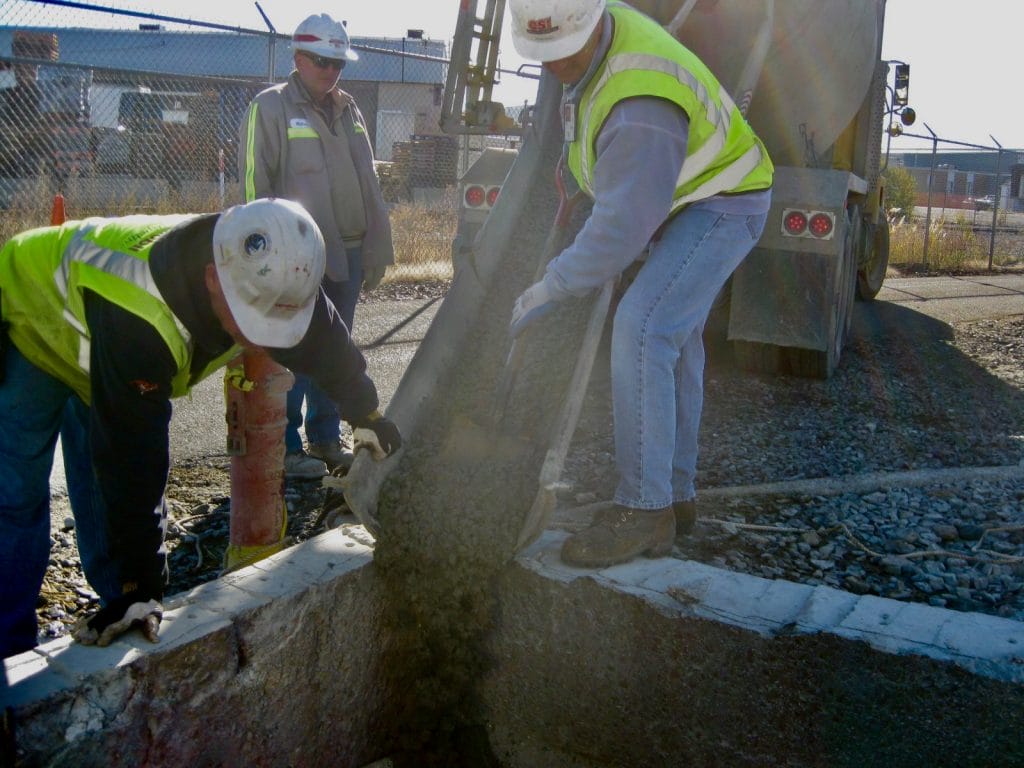
Foundations & Erosion Control Resources & Expert Insights
Foundations, drainage, and erosion control all work together to protect homes, commercial buildings, landscapes, and infrastructure throughout Massachusetts, Southern New Hampshire, and Southern Maine. This resource hub was created to help homeowners, developers, property managers, and contractors better understand how proper site preparation, water management, grading, and foundation construction impact long-term property performance.
From foundation replacement and drainage corrections to retaining walls, stormwater management, and erosion prevention, our team regularly publishes educational articles focused on real construction challenges seen across New England properties. This page organizes those resources into one searchable location so visitors can quickly find information related to foundation stability, water intrusion, grading, excavation, drainage systems, and erosion control best practices.

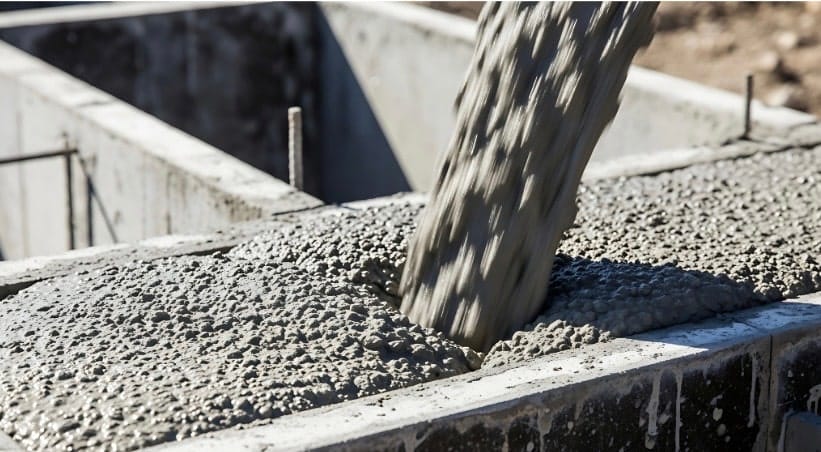
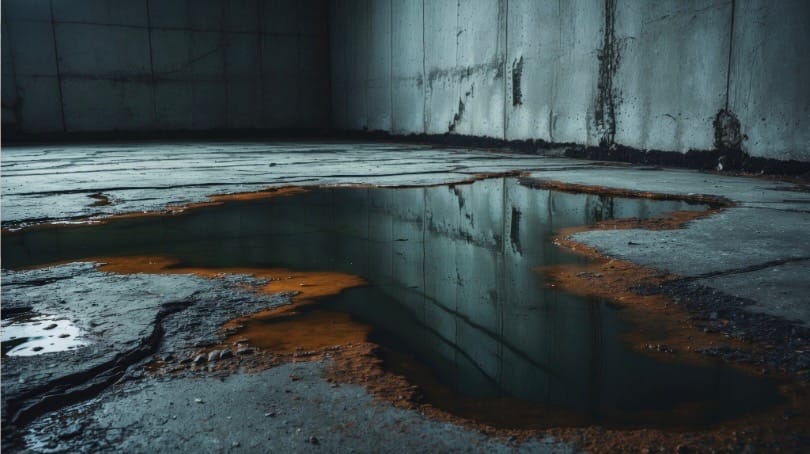
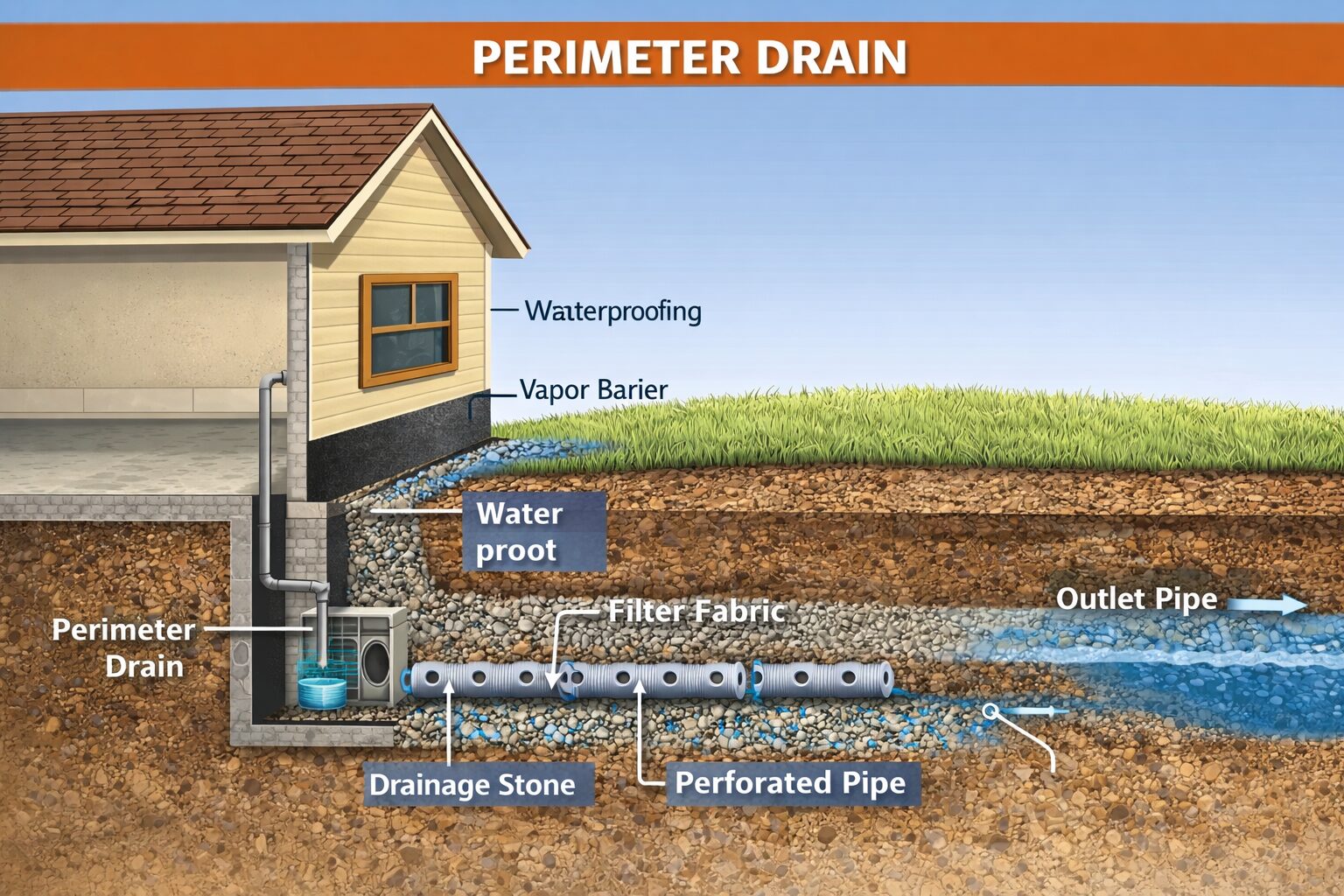


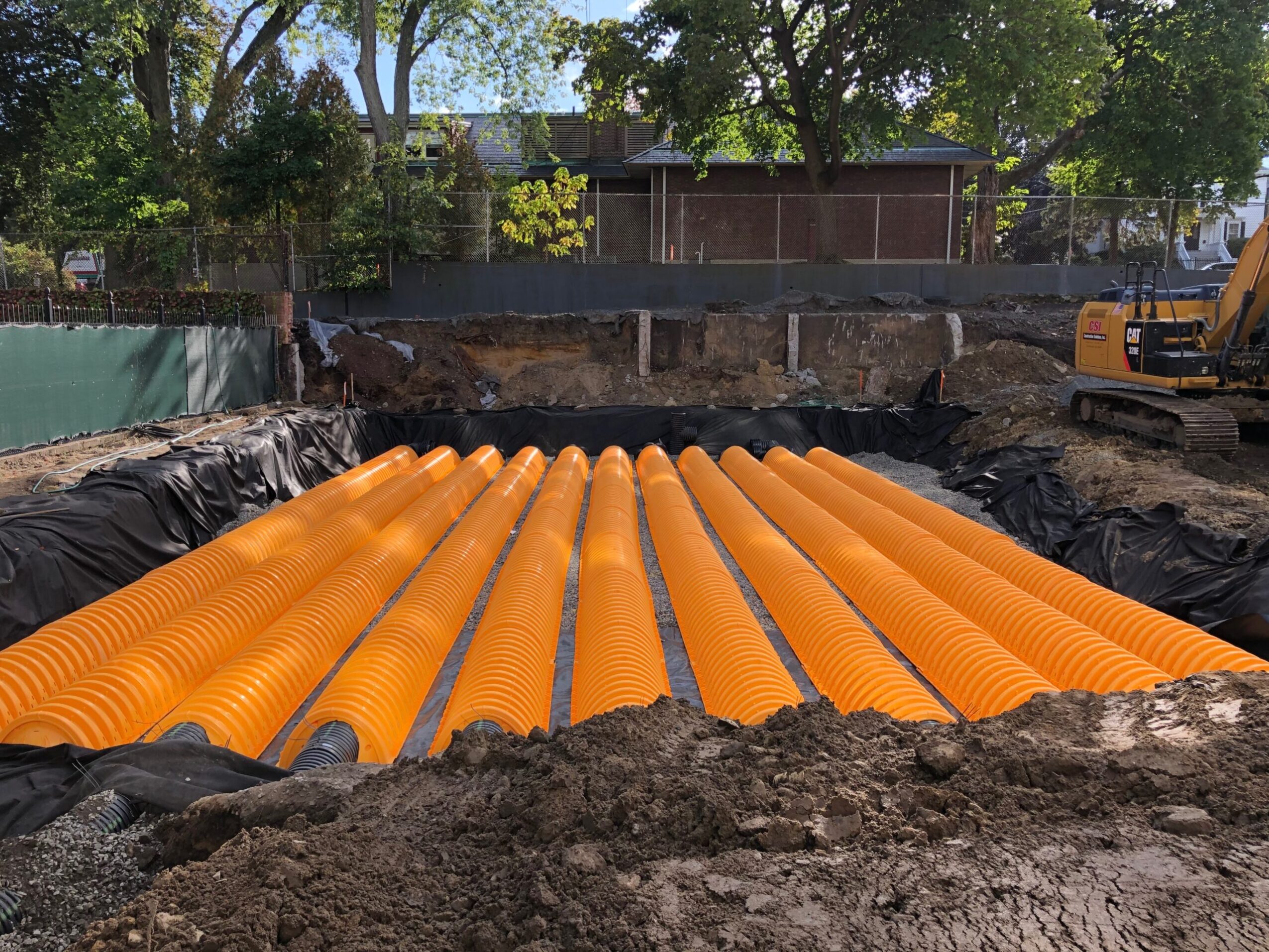
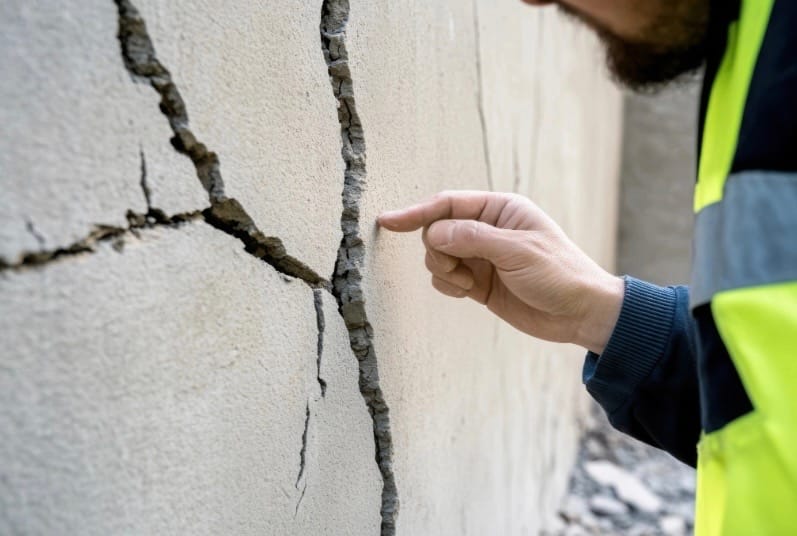

Erosion Control & Stormwater Management for New England Properties
Erosion control is essential for both residential and commercial construction projects throughout Massachusetts. Uncontrolled runoff can damage landscapes, destabilize slopes, undermine foundations, and create compliance issues during construction projects.
Effective erosion and stormwater management strategies may include:
- Silt fencing
- Sediment barriers
- Hydro seeding
- Retaining walls
- Riprap installation
- Drainage swales
- Catch basin systems
- Soil stabilization
- Temporary construction entrances
- Slope reinforcement
- Vegetative erosion control solutions
For commercial projects, erosion control planning is often required to comply with local and state environmental regulations. Residential properties can also benefit significantly from proactive erosion prevention, particularly on sloped lots or properties near wetlands and coastal areas.
Proper stormwater management not only protects structures and landscapes but also helps preserve nearby waterways and reduce long-term maintenance costs.
Why Drainage Matters More Than Most Property Owners Realize
Many structural problems begin with water management failures rather than foundation defects alone. Water that is not properly diverted away from a structure can saturate soil, create hydrostatic pressure against foundation walls, weaken supporting soils, and accelerate settlement or cracking.
Common signs of poor drainage include:
- Water pooling near foundations
- Basement moisture or leaks
- Cracking concrete or masonry
- Settling walkways or patios
- Soil erosion near structures
- Standing water in yards
- Frost heave during winter months
- Retaining wall movement
- Sump pump overactivity
Proper drainage planning often includes a combination of grading, drainage piping, swales, catch basins, curtain drains, French drains, and erosion control measures designed specifically for the property’s slope and soil conditions.
Preventive drainage work is typically far less expensive than structural foundation repairs after damage has occurred.
Foundations & Drainage in Massachusetts
New England properties face unique environmental conditions that make proper drainage and foundation construction especially important. Massachusetts homes and commercial buildings regularly deal with freeze-thaw cycles, heavy seasonal rainfall, coastal moisture exposure, frost heave, clay-heavy soils, and aging infrastructure. Without proper drainage and erosion control systems, these conditions can lead to foundation settlement, basement flooding, retaining wall failure, soil washout, and costly structural damage.
In areas throughout Amesbury, Newburyport, Salisbury, Haverhill, Andover, the Merrimack Valley, and the North Shore, drainage problems often begin gradually before becoming major structural concerns. Improper grading, clogged drainage systems, undersized culverts, failing retaining walls, or unmanaged roof runoff can all contribute to foundation deterioration over time.
These issues can be addressed through:
- Site grading and drainage corrections
- Foundation excavation and replacement
- Erosion control planning
- Retaining wall construction
- Stormwater management solutions
- French drain installation
- Foundation waterproofing preparation
- Site stabilization and runoff management
- Excavation for additions and structural projects
Understanding local soil conditions, municipal requirements, and seasonal environmental challenges is critical when planning any excavation, foundation, or drainage project in New England.
What is a Perimeter Drain & How Does It Work?
A perimeter drain, also known as a foundation drain or footing drain, is a drainage system installed around the outside of a building’s foundation to collect and redirect groundwater away from the structure. Its primary purpose is to prevent water buildup around the foundation, reducing the risk of basement flooding, foundation damage, erosion, and long-term moisture issues.
Perimeter drains are one of the most important components of a properly designed foundation waterproofing and drainage system, especially in areas like Massachusetts and New England where heavy rain, snowmelt, and freeze-thaw cycles can create significant groundwater pressure around foundations.
How a Perimeter Drain Works
A perimeter drain system is typically installed at the base of the foundation footing.
The system usually consists of:
- Perforated drainage pipe
- Washed drainage stone or gravel
- Filter fabric to prevent sediment clogging
- Proper grading and water discharge points
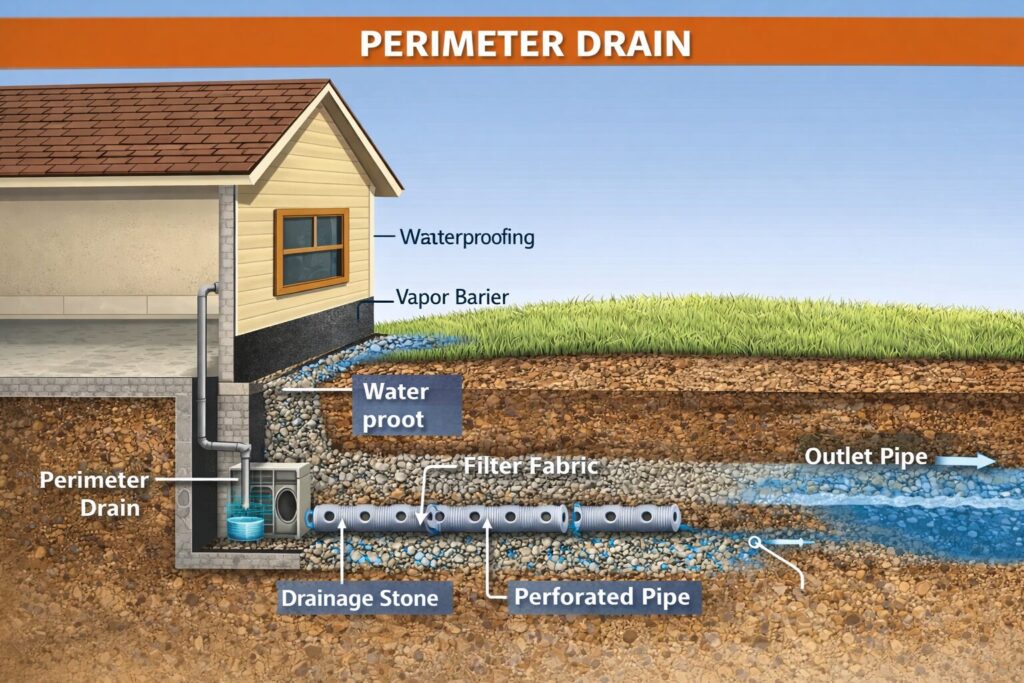
As groundwater builds up around the foundation, water enters the perforated pipe through small holes or slots. The pipe then carries the water away from the structure to a safe discharge location such as:
- A sump pump system
- Storm drainage system
- Dry well
- Drainage swale
- Daylight outlet on sloped property
The surrounding gravel allows water to flow freely into the pipe while helping reduce hydrostatic pressure against the foundation walls.
Why Perimeter Drains Are Important
Without proper drainage, water can accumulate around a foundation and create hydrostatic pressure. Over time, this pressure can force water through foundation cracks, basement walls, floor joints, or crawl spaces.
A professionally installed perimeter drain system helps:
- Prevent basement water intrusion
- Protect foundation walls from moisture damage
- Reduce erosion around the structure
- Extend the lifespan of foundations
- Minimize mold and mildew risks
- Improve overall site drainage performance
Common Signs a Property May Need a Perimeter Drain
Property owners often notice warning signs before major water issues occur.
Common indicators include:
- Wet basement floors or walls
- Standing water near the foundation
- Musty odors in basements or crawl spaces
- Foundation cracks
- Sump pump constantly running
- Soil erosion near the structure
- Water stains on concrete walls
Interior vs. Exterior Perimeter Drains
There are two primary types of perimeter drain systems:
Exterior Perimeter Drain
Installed outside the foundation at the footing level. This is typically the preferred method for new construction and major waterproofing projects because it stops water before it reaches the foundation wall.
Interior Perimeter Drain
Installed along the inside perimeter of a basement floor. Interior systems collect water that enters the foundation area and direct it to a sump pump system for removal.
Both systems can be effective depending on the building condition, site access, and drainage challenges.
Perimeter Drain Installation in Massachusetts
In Massachusetts and throughout New England, perimeter drains are especially important due to:
- High seasonal groundwater levels
- Snow and ice melt
- Heavy spring rainfall
- Clay and compacted soils
- Freeze-thaw expansion around foundations
Proper installation requires careful excavation, grading, drainage stone placement, and compliance with local building and drainage requirements. Poor installation or clogged drains can lead to recurring water problems and costly structural repairs.
A perimeter drain system is a critical part of protecting foundations, basements, and commercial structures from long-term water damage. Whether installed during new construction or added as part of a waterproofing and drainage upgrade, perimeter drains help manage groundwater effectively and improve the overall stability and longevity of a property.
For residential properties experiencing drainage problems, professional site evaluation and proper drainage design are essential to ensure water is safely redirected away from the structure.
Commercial Development Drainage Solutions and Why They Are Site Specific
Effective drainage design is one of the most critical components of successful commercial site development. Every commercial property generates stormwater runoff, and without a properly engineered drainage system, water can create serious problems including erosion, flooding, pavement failure, foundation damage, environmental violations, and long-term maintenance issues.
Commercial drainage solutions are never one-size-fits-all. Every development site has unique conditions that directly impact how stormwater must be collected, controlled, stored, and discharged. Because of this, drainage systems are designed specifically for the individual property, site layout, soil conditions, elevation changes, and local regulatory requirements.
Why Commercial Drainage Systems Are Site Specific
Each commercial property presents different drainage challenges based on a variety of environmental and construction factors. A drainage solution that works for one site may be completely ineffective on another.
Key site-specific factors include:
- Existing topography and grading
- Soil type and permeability
- Groundwater conditions
- Building footprint and impervious surfaces
- Parking lot and roadway design
- Local rainfall intensity
- Utility conflicts
- Wetlands and environmental restrictions
- Municipal stormwater regulations
- Property elevation and discharge locations
For example, a retail plaza built on sandy soil with natural slope drainage will require a very different stormwater management strategy than a commercial warehouse built on flat clay soils with high groundwater conditions.
The Purpose of Commercial Drainage Solutions
Commercial drainage systems are designed to safely manage stormwater runoff while protecting both the development and surrounding properties.
Proper drainage planning helps:
- Prevent flooding and standing water
- Reduce erosion and sediment migration
- Protect foundations and structures
- Extend pavement lifespan
- Control runoff volume and velocity
- Meet environmental and permitting requirements
- Improve long-term property performance
- Reduce liability and maintenance costs
Without proper drainage infrastructure, even a well-constructed commercial site can experience costly failures over time.
Common Commercial Drainage Solutions
Commercial developments often require multiple integrated drainage systems working together throughout the site.
Catch Basins and Storm Drain Systems
Catch basins collect surface runoff from parking lots, drive lanes, and paved areas. Underground piping then transports stormwater to retention systems, detention systems, or approved discharge locations.
Proper sizing and placement are critical to prevent ponding and overflow during heavy rainfall events.
Detention and Retention Systems
Stormwater detention and retention systems help manage runoff volume and peak flow rates.
- Detention systems temporarily store water and slowly release it downstream.
- Retention systems are designed to permanently hold or infiltrate stormwater into the ground.
These systems are commonly required for large commercial developments to comply with local stormwater regulations.
Underground Drainage Infrastructure
Many commercial projects utilize underground drainage systems such as:
- HDPE storm pipe
- Reinforced concrete pipe
- Manholes
- Infiltration chambers
- Subsurface drainage galleries
Underground systems maximize usable site space while efficiently moving stormwater through the property.
Perimeter and Foundation Drainage
Commercial buildings often require perimeter drains and waterproofing systems to protect foundations from groundwater intrusion and hydrostatic pressure.
These systems are especially important in areas with poor drainage soils or high seasonal groundwater levels.
Bioswales and Green Infrastructure
Modern commercial developments increasingly incorporate low-impact development (LID) strategies and green infrastructure, including:
- Bioswales
- Rain gardens
- Vegetated drainage channels
- Permeable pavement systems
- Infiltration areas
These solutions help improve water quality, reduce runoff volume, and support environmental compliance goals.
The Importance of Proper Site Grading
Site grading plays a major role in drainage performance. Even the best drainage infrastructure can fail if elevations and slopes are not properly designed and constructed.
Professional grading plans help direct water away from:
- Buildings
- Loading docks
- Parking areas
- Utility structures
- Pedestrian access points
Improper grading can lead to standing water, pavement deterioration, ice hazards, and structural settlement issues.
Long-Term Performance and Maintenance
Drainage systems require ongoing inspection and maintenance to remain effective. Commercial property owners should routinely monitor:
- Catch basin sediment levels
- Storm pipe blockages
- Erosion areas
- Drainage swales
- Detention pond performance
- Outlet structures
- Pavement drainage conditions
Preventive maintenance helps extend the lifespan of the drainage system while reducing costly emergency repairs.
Commercial drainage solutions are a critical part of site development, infrastructure performance, and long-term property protection. Because every property has unique environmental and construction conditions, drainage systems must be specifically designed for the individual site rather than relying on standard or generic approaches.
A properly planned and professionally installed drainage system helps commercial developments remain functional, compliant, and protected from water-related damage for years to come.
Drainage Challenges in Massachusetts and New England
Developments throughout Massachusetts and New England face additional drainage challenges due to:
- Freeze-thaw cycles
- Heavy snowmelt
- Intense seasonal rainfall
- Coastal groundwater conditions
- Older municipal storm infrastructure
- Strict environmental and erosion control regulations
These regional conditions require careful planning during both the design and construction phases of projects.
Frequently Asked Questions
Foundation cracks can result from settlement, hydrostatic pressure, poor drainage, frost heave, shifting soils, or improper construction practices. Some cracks are cosmetic, while others may indicate structural movement requiring professional evaluation.
Common warning signs include standing water, wet basements, foundation cracks, soil erosion, mold growth, soggy lawns, or water pooling near structures after rainfall.
Yes. Improper drainage can saturate soil surrounding the foundation, increase hydrostatic pressure, weaken structural support, and contribute to cracking or settlement. To learn more read our guide, “Why Proper Drainage is the Secret to a Strong Foundation.”
A French drain is a trench-based drainage system containing perforated piping and stone that redirects groundwater away from foundations and low-lying areas.
In many cases, yes. Proper grading, drainage systems, waterproofing, and runoff management can often resolve water-related issues before major structural repairs become necessary.
Your foundation can be replaced by lifting and jacking the house securely, and replacing the foundation before lowering the home safely onto the new foundation. It is a controlled process that takes an experienced contractor to perform. You can read more about foundation replacement in our guide, “How is a foundation Replaced.”
Erosion control helps prevent sediment runoff, protects nearby waterways, stabilizes soils, and helps construction projects comply with environmental regulations. For a more detailed explanation, please read our guide, “Erosion Control & Storm Water Solutions.”
Foundation depth depends on soil conditions and local code requirements, but footings typically must extend below frost depth to prevent frost heave damage.
Hydrostatic pressure occurs when water builds up in surrounding soil and pushes against foundation walls, potentially causing cracks or leaks.
The best system depends on the site, but common solutions include retaining walls, hydro seeding, riprap, drainage swales, sediment barriers, and engineered stormwater management systems.
Need a Site Evaluation?
Contact Construction Solutions Inc., today
Phone: 978-388-7900
Serving Massachusetts, Southern New Hampshire & Southern Maine
Massachusetts – Essex County, Middlesex County, Suffolk County, Norfolk County
New Hampshire – Rockingham County, Hillsboro County
Maine – York County