
Table of contents
- Budget For Your New Home Addition the Right Way
- 1. Understand What Site Work Includes
- 2. Have Your Architect or Engineer Create Detailed Plans of Your Project
- 3. Know the True Cost of a New Foundation
- 4. Plan for Permits, Fees & Inspections
- 5. Understand Local Rates
- 6. Don’t Forget Access for Equipment
- 7. Work With a Licensed Local Contractor
- 8. Contingency Budget
- How Construction Solutions, Inc. Can Help

Budget For Your New Home Addition the Right Way

Adding onto your home is a big investment — whether you’re building a new home, an addition, or a garage.
Many homeowners plan for the cost of materials and finishes — but forget to include the foundations and site work needed to get your project started safely and up to code.
1. Understand What Site Work Includes
“Site work” covers all the prep needed before you can pour concrete or frame walls. This can include:
- Clearing trees or existing structures
- Grading the lot for proper drainage
- Excavating for new foundations or footings
- Installing underground utilities like water, sewer, or electric
- Erosion control measures required by local codes
Every property is unique — soil type, slope, access, and town regulations all play a part in the final cost.

2. Have Your Architect or Engineer Create Detailed Plans of Your Project

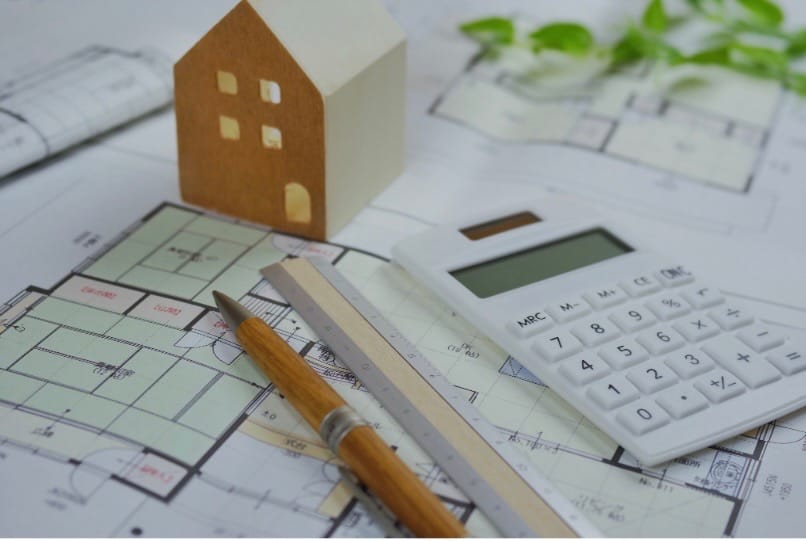
Nailing down the specifics for size, shape and scope of your needs is the first step to understanding what the full scope of your project will entail.
This will help shape whether a slab, crawl space or full basement will be needed for your structure.
3. Know the True Cost of a New Foundation
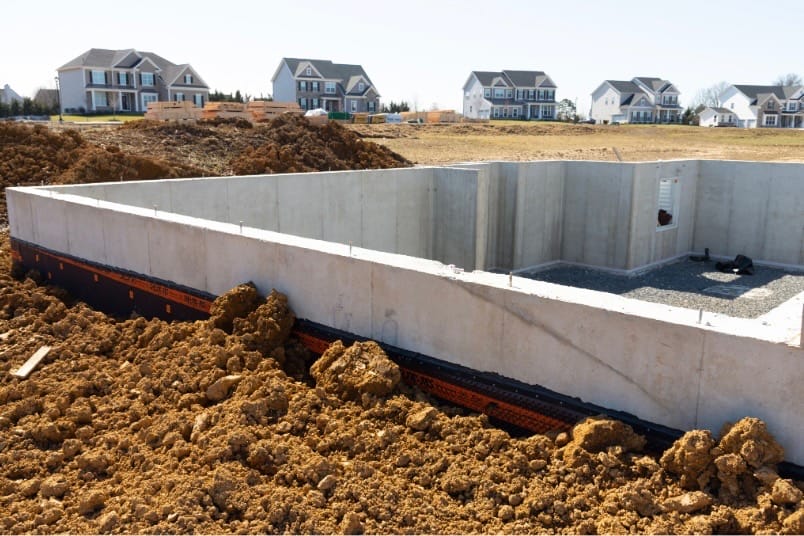
Building a safe, level foundation is non-negotiable. In New England, frost depth requirements mean deeper excavation and more concrete than in other regions.
Add to that the potential for ledge or poor soil that may require special footings or drainage mitigation factors.
As a general guideline, foundation and site work can make up 10%–20% of your total project cost — sometimes more for complicated sites.
Estimating costs for excavation services is going to depend on how much prep is needed at your site, and how much soil and debris needs to be hauled away from your site.
The foundation itself is going to include concrete costs, rebar and forms, coupled with labor costs for pouring, forming and other related tasks.
4. Plan for Permits, Fees & Inspections

Most towns require permits for site work, as well as a call to Dig Safe for utility marking. Conservation Commission approvals may be needed if your lot is near wetlands.
Your contractor should handle these details, but permitting fees and required inspections should be factored into your budget upfront.
Learn about Dig Safe (Mandatory in New England)
5. Understand Local Rates
Consider how the length of time needed to complete each stage of your project, as delays could impact pricing
Be aware of material and labor costs in your region
Factor in the complexity of your site and the complexity of your foundations design

6. Don’t Forget Access for Equipment

Will your property allow easy access for excavation machinery? Tight urban lots, mature landscaping, or sloped driveways may require additional prep or smaller equipment, which can affect cost and timeline.
Equipment is heavy. It can damage pre existing landscaping that will need to be straightened out when your project is complete.
7. Work With a Licensed Local Contractor
Foundations and site work set the stage for your entire addition — so don’t cut corners.
Work with a contractor who:
- Knows your local town requirements
- Has the right equipment for your lot conditions
- Is fully licensed and insured for residential excavation

8. Contingency Budget

Always allocate a percentage (10-20%) of the total budget for unforeseen changes or unexpected expenses throughout your project. You may not need it, but you very well could.
You don’t want to have to stop work because an underground ledge was not known, and need to be blasted, or an unknown abandoned well or septic now needs removal in order for your foundation to be placed where needed.
How Construction Solutions, Inc. Can Help
We help homeowners throughout MA, the NH Seacoast, and Southern ME plan new structures and additions with clear, honest estimates for excavation, foundations, and site prep. Our team handles local permitting, erosion control, and tricky lot conditions so you can build with confidence.
Learn more about our Excavation & Site Work services
Learn more about our Residential Construction Services
Ready to Get Started?
Thinking about adding space to your home? Let’s talk about your goals and put together a solid plan — and a real-world budget.
Contact Construction Solutions, Inc. today for a free site evaluation and estimate for your addition or new construction project.