

Septic System Resources & Expert Insights
Septic systems play a critical role in protecting residential and commercial properties throughout Massachusetts and Southern New Hampshire. Proper septic excavation, drainage planning, grading, and installation are essential for maintaining reliable wastewater management and avoiding costly long-term issues.
Our Septic System Resources Center was created to help homeowners, property managers, and contractors better understand septic system excavation, installation, drainage considerations, maintenance concerns, and common site challenges throughout New England.
Whether you are installing a new septic system, replacing an aging system, preparing a property for construction, or addressing drainage concerns near a septic area, these resources provide valuable information to help you make informed decisions.



How a Septic System Works
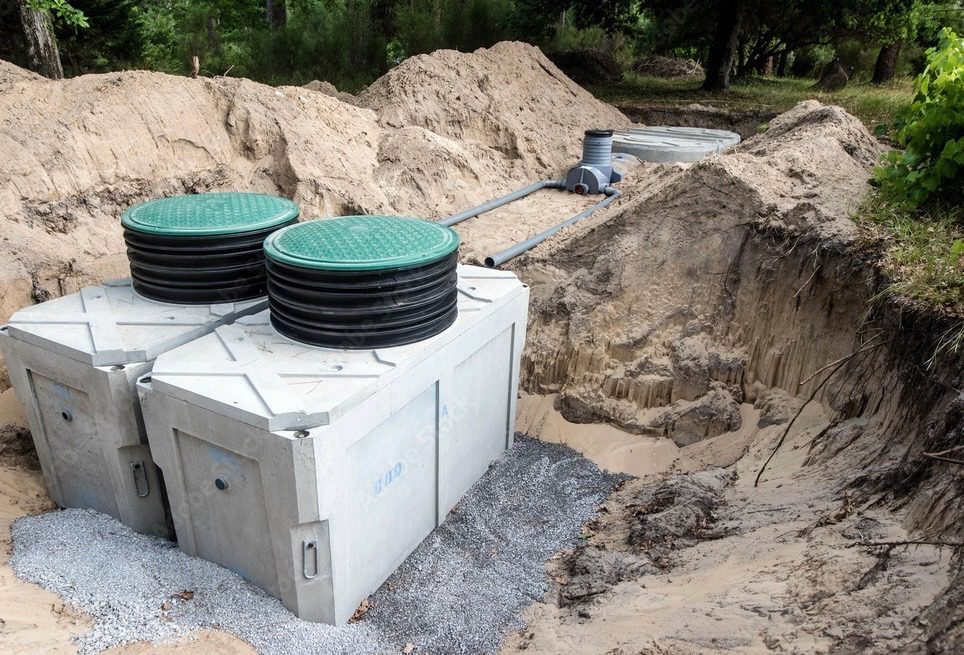
A septic system is an underground wastewater treatment system commonly used in homes and properties that are not connected to a municipal sewer line. These systems safely manage and treat wastewater from bathrooms, kitchens, laundry rooms, and household drains directly on the property.
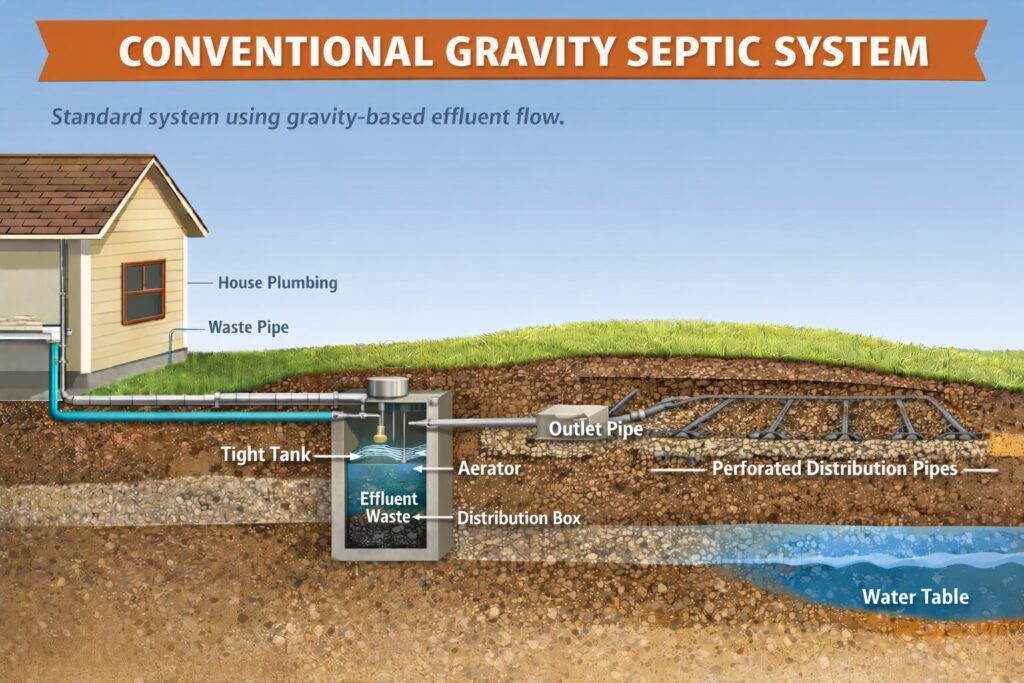
Wastewater flows from the home into a buried septic tank, where solids and liquids separate naturally. Heavy solids settle to the bottom of the tank to form sludge, while oils and lighter materials float to the top as scum. The partially treated liquid wastewater, known as effluent, exits the tank and flows into the drain field.
Inside the drain field, wastewater slowly filters through stone, pipes, and surrounding soil. The soil acts as a natural filtration system that removes harmful bacteria, contaminants, and nutrients before the water returns to the groundwater supply. Proper septic system design, installation, and maintenance are critical for protecting both the property and the environment.
Routine septic pumping, inspections, and responsible water usage help extend the life of the system and reduce the risk of backups, drain field failure, and costly repairs. Homeowners should also avoid flushing wipes, grease, chemicals, and other harmful materials that can damage the system over time.
Why Some Homes Have Septic Systems While Others Have Public Sewer Access
Whether a property uses a septic system or connects to a public sewer system typically depends on location, population density, and local infrastructure availability.
Homes located in rural areas, suburban developments, or locations without nearby municipal sewer lines often rely on private septic systems. In these areas, installing miles of public sewer piping may not be practical or cost-effective. Septic systems allow properties to safely manage wastewater independently on-site.
In contrast, homes located in cities, densely populated neighborhoods, or developed urban areas are usually connected to a municipal sewer system. Public sewer systems transport wastewater through underground pipes to a centralized wastewater treatment facility operated by the city or town.
Both systems are designed to safely handle wastewater, but they function differently. Septic systems require regular homeowner maintenance, including pumping and inspections, while municipal sewer systems are maintained by the local utility provider and funded through sewer taxes or utility bills.
In regions throughout Massachusetts and New England, many rural and semi-rural homes continue to rely on septic systems due to lot size, zoning, and distance from municipal sewer infrastructure. Understanding which type of wastewater system a property uses is important for maintenance planning, property ownership, and future construction or renovation projects.
Common Septic System Challenges in Massachusetts
Properties throughout Massachusetts and Southern New Hampshire often face unique septic challenges due to soil conditions, seasonal weather patterns, and aging infrastructure.
Common septic-related concerns include:
- Poor drainage around septic areas
- Saturated leach fields
- High groundwater conditions
- Freeze-thaw soil movement
- Aging septic systems
- Soil compaction issues
- Drainage failures near foundations or yards
Older residential properties in communities such as West Newbury, Rowley, and surrounding North Shore towns frequently require septic upgrades or replacement excavation to meet modern performance and environmental standards.
Septic Excavation & Site Preparation Services
Proper excavation and site preparation are essential for septic system performance and long-term reliability. Soil conditions, drainage patterns, groundwater levels, and grading all influence how effectively a septic system operates.
Septic-related excavation services include:
- Septic tank excavation
- Leach field preparation
- Site grading and drainage
- Septic system replacement excavation
- Utility trenching
- Septic system site preparation
- Drainage improvements near septic systems
Every septic project requires careful evaluation of site conditions to help ensure proper drainage and long-term system performance.

Drainage & Grading Around Septic Systems
Proper drainage is critical to the long-term success of any septic system. Water pooling near septic tanks or leach fields can reduce system efficiency, saturate soils, and create long-term operational issues.
Septic-related drainage services may include:
- Site grading and slope correction
- Drainage excavation
- Surface water management
- Foundation drainage improvements
- Yard drainage solutions
- Erosion control near septic areas
Proper grading and water management help protect septic system performance while reducing the risk of soil saturation and drainage failures.
Septic System Preparation for New Construction
New construction projects require proper septic planning early in the site preparation process. Soil conditions, property grading, utility placement, and drainage all impact septic system design and long-term performance.
Preparation for new sites require:
- Engineered septic system design
- Approval from local board of health
- Approvals from conservation commission if applicable
- Coordination and installation of the septic system
Proper site preparation helps avoid costly delays and future septic performance problems.
Excavation Safety Near Septic Infrastructure
Excavating near septic tanks, distribution lines, and leach fields requires careful planning and controlled excavation methods. Improper digging can damage septic infrastructure and create expensive repairs.
Use excavation techniques designed to minimize disruption and safely work around existing septic components when performing:
- Utility trenching near septic systems
- Drainage improvements
- Foundation excavation near septic areas
- Site development projects
Depending on site conditions, vacuum excavation methods may also be used for more precise utility exposure and controlled digging.
Frequently Asked Questions
Yes, there are many types of septic systems. The type of septic system which is right for your property, is going to depend on your site and needs. Our guide, “Choosing the Right Septic System: A Guide to Common Types and When to Use Them,” will provide you with in depth answers of what you need, and how they operate.
Most residential septic tanks should be pumped every 3–5 years, depending on household size, water usage, and tank capacity. Homes with garbage disposals, large families, or heavy laundry usage may require more frequent pumping. Regular maintenance helps prevent backups, drain field failure, and expensive repairs.
Yes. Excessive rain or flooding can saturate the drain field and reduce the soil’s ability to absorb wastewater. This may cause slow drainage, backups, or pooling water around the septic area. Proper site grading and drainage solutions can help protect septic systems during wet seasons.
Improper grading can cause water to pool around septic components, increasing the risk of soil saturation and drainage problems.
Common causes include poor grading, saturated soils, aging infrastructure, groundwater issues, and improper drainage around the property.
Common signs include slow drains, sewage odors, standing water near the drain field, gurgling pipes, unusually green grass over the system, or sewage backing up into the home. Early detection can help prevent major property damage and costly emergency excavation work. For a more in depth explanation of the signs, read our resource guide, “Signs Your Septic System Many Need Replacement.”
Avoid flushing wipes, grease, feminine hygiene products, paper towels, chemicals, paint, cat litter, medications, or excessive household cleaners. These materials can clog pipes, damage the bacterial balance inside the tank, and shorten the lifespan of the entire system.
A properly maintained septic system can last 20–40 years or longer. Longevity depends on soil conditions, installation quality, maintenance frequency, and daily household usage. Regular inspections and pumping are critical for extending system life.
Yes. Tree and shrub roots naturally seek moisture and can infiltrate septic pipes, tanks, and drain fields. Root intrusion may cause blockages, cracked pipes, or system failure. It is important to avoid planting large trees too close to septic components.
Massachusetts regulations are governed byTitle 5 of the State Environmental Code (310 CMR 15.000), meaning all septic systems installed must meet these requirements. To learn more about the regulations read our guide “Installing a Septic System in Massachusetts.”
Drain field failure is often caused by poor maintenance, hydraulic overload, compacted soil, grease buildup, root intrusion, or aging infrastructure. Driving vehicles over the drain field can also damage underground pipes and reduce soil absorption capacity.
No. Heavy vehicles and equipment can crush septic pipes, compact soil, and damage the tank or drain field. Septic areas should remain clear of vehicles, dumpsters, sheds, pools, and other heavy loads to avoid structural damage underground.
Homeowners can protect their system by conserving water, scheduling regular pumping, avoiding harmful materials down drains, directing runoff away from the drain field, and keeping heavy equipment off the septic area. Preventive maintenance is significantly less expensive than system replacement.
A septic inspection can reveal hidden issues such as failing drain fields, damaged tanks, improper installations, or capacity problems. Since septic repairs can be expensive, inspections help buyers understand the condition of the system before purchasing a property.
Need a Septic System Installed?
Construction Solutions, Inc. provides professional septic excavation, drainage, grading, and site preparation services throughout Massachusetts, Southern New Hampshire and Southern Maine.
Contact our team today to discuss your septic system or excavation project.