

Commercial Property Management Resources & Expert Insights
Property Maintenance, Site Management & Facility Planning Insights
Keeping commercial properties operating safely, efficiently, and professionally requires more than reactive maintenance. Property owners, facility managers, developers, and management companies all face ongoing challenges related to drainage, pavement conditions, utilities, excavation, snow management, site safety, emergency repairs, and long-term capital planning.
This resource hub was created to provide educational insights, planning information, seasonal maintenance guidance, and commercial site management best practices.





Supporting Commercial Properties Year-Round
Commercial properties require ongoing attention to maintain safety, accessibility, appearance, and operational reliability. Deferred maintenance often leads to larger infrastructure problems, costly repairs, tenant complaints, or safety concerns.
Our educational content is designed to help property managers better understand:
- Common causes of drainage failures
- How to identify underground utility concerns
- Best practices for preventative maintenance
- Seasonal site preparation strategies
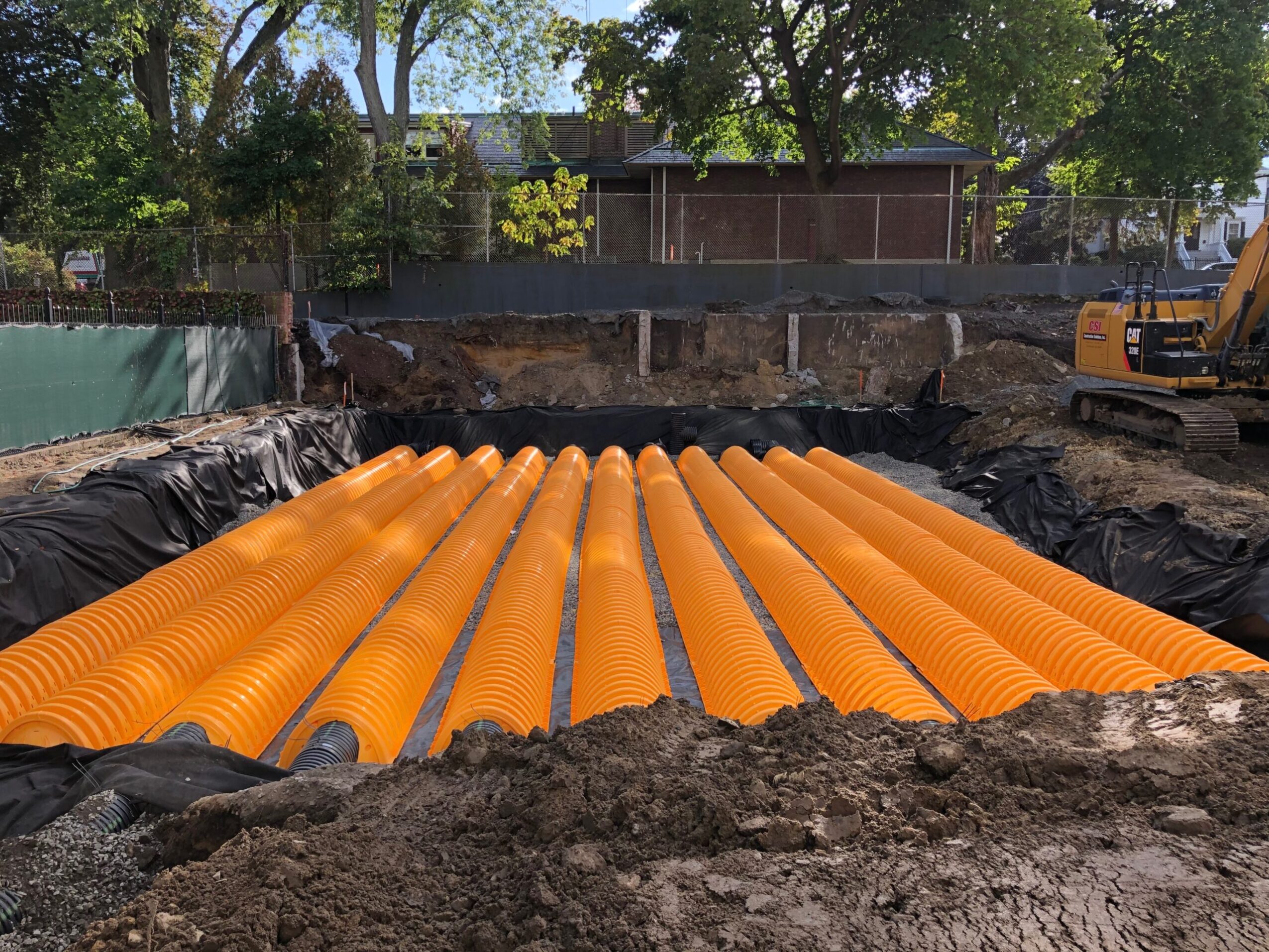
- Stormwater management considerations
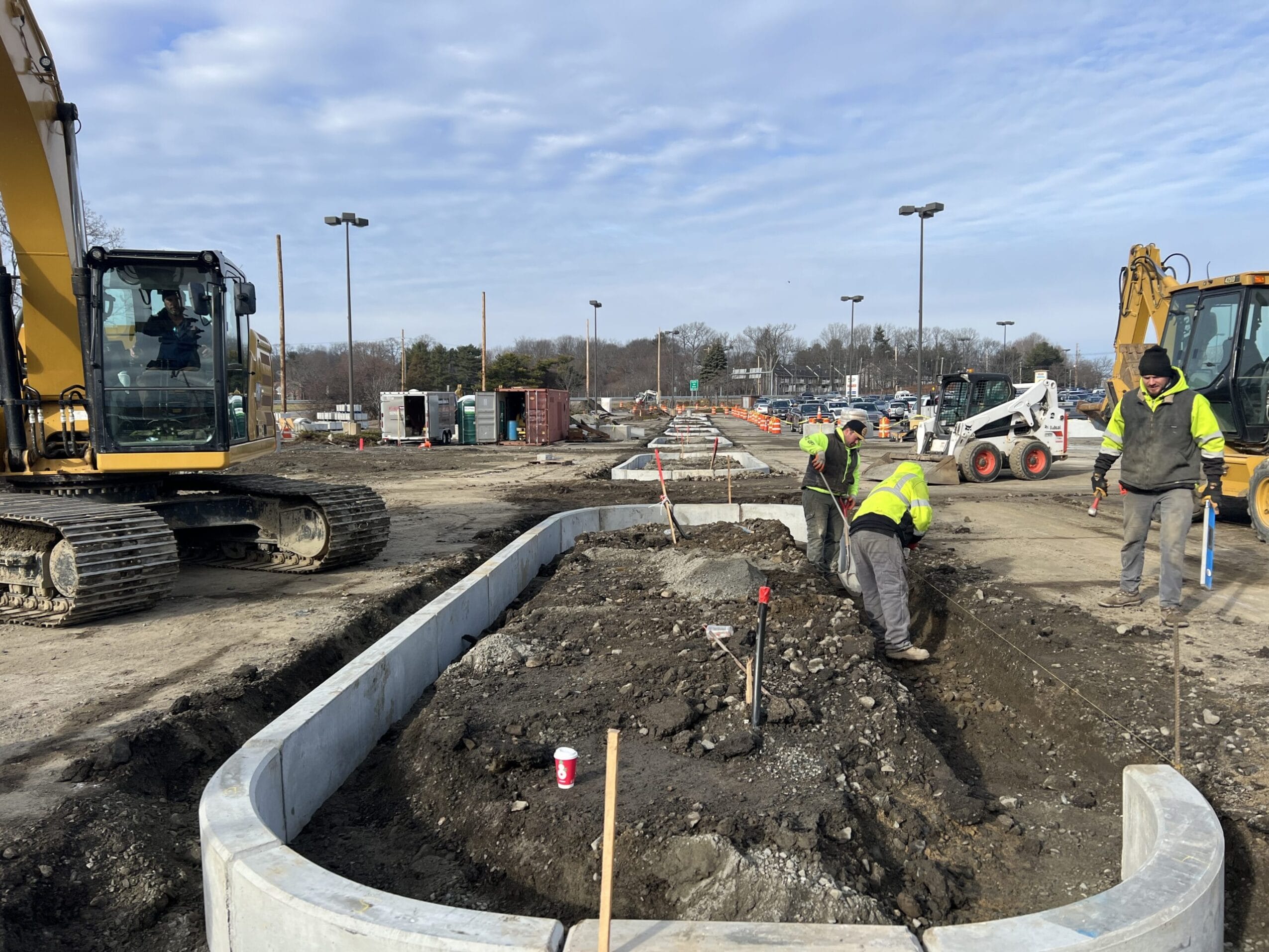
- Safe excavation practices around active properties
- Long-term site improvement planning
- Emergency response considerations for commercial facilities
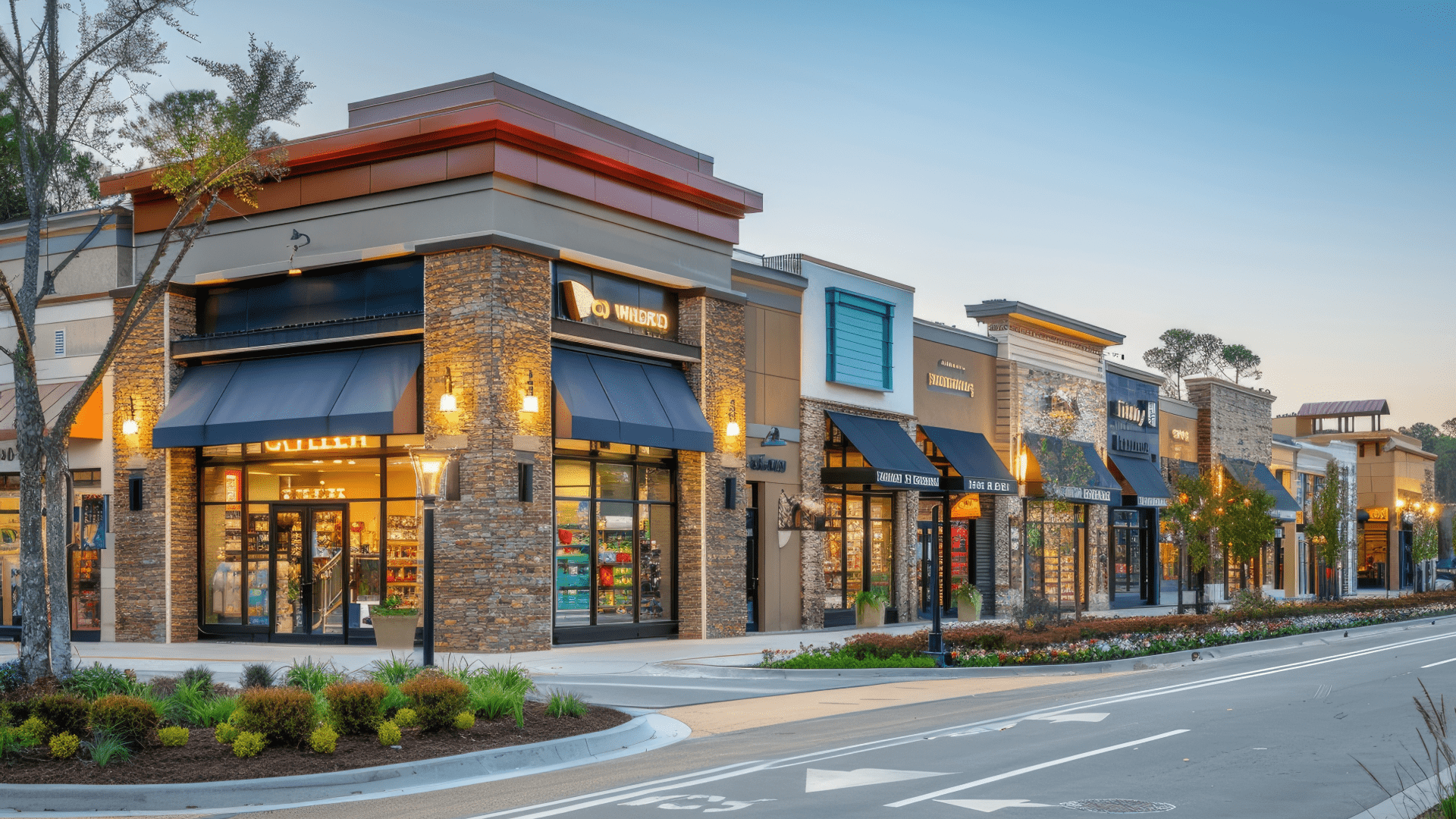
Whether managing retail centers, office buildings, industrial sites, apartment complexes, municipal facilities, healthcare properties, or mixed-use developments, having access to reliable site management information can help property owners make informed decisions.
The Importance of Compliance Inspections
Compliance inspections are one of the most important responsibilities in commercial property management. Regular inspections help property owners identify safety concerns, code violations, maintenance deficiencies, and operational risks before they become costly problems. From fire safety systems and emergency exits to drainage, structural conditions, accessibility requirements, and occupancy standards, staying compliant protects both the property and the people who use it.
For property owners and managers throughout Massachusetts, Southern New Hampshire, and Southern Maine, compliance standards continue to evolve. Municipal requirements, state building codes, environmental regulations, and insurance expectations all play a role in how a property must be maintained and documented. Routine inspections help ensure that properties remain up to code while reducing the likelihood of fines, liability claims, tenant disputes, or unexpected shutdowns.
A proactive inspection process also supports long-term asset value. Small deficiencies that go unnoticed can quickly develop into major structural or operational issues that are expensive to correct. Identifying problems early allows owners to budget repairs strategically and maintain safer, more efficient buildings.
Professional property management teams understand how to coordinate inspections, document findings, prioritize corrective work, and communicate effectively with contractors, tenants, and local officials. Consistent oversight not only protects investments but also helps create a safer and more reliable environment for tenants, employees, and visitors. For owners managing multiple properties, routine compliance inspections are essential for reducing risk and maintaining operational continuity across every location.
Massachusetts Comprehensive Fire Safety Code
Commercial properties in Massachusetts require regulatory inspections of life safety systems. Key systems such as fire suppression systems, emergency lighting, extinguishers, egress paths and alarms must be inspected regularly. Local towns and fire departments can and do impose additional ordinances.
Requirements to compliance with 577 CMR 1.00 include:
- Fire Alarm Systems – Must be tested annually. Some components may require quarterly or semi-annual inspections.
- Sprinkler Systems – Require inspection and tagging annually with NFPA 25 Standards. Proper clearance from stored items from sprinkler heads must be maintained.
- Fire Extinguishers – Must be tagged annually, and undergo specialized certification every 5-6 years
- Exit and Egress Paths – Paths must be cleared of obstructions, and all doors must be unlocked during business hours.
- Emergency Lighting – Needs to be functional and operational
- Electrical – Electrical panels must be accessible and labeled properly, with 36 inch clearance.
- Storage – No storage within stairwells or within 36 inches of heating equipment.
Many systems require third parties to conduct inspections and submit proper documentation. Businesses should also be performing self-checks to ensure complacent before official fire department inspections.
Additionally, operational permitting may be required for commercial properties.
Operational Permits Include:
- Kitchen Suppression – Restaurant hood systems must be inspected and tagged every six months
- Visibility – Property addresses must be clearly visible from the street
- Smoking / Open Flame – Permits are required for open flame use, hazardous material storage and certain types of waste.
- Permits – Permits are required for any work or inspection on a fire protection system. The system must not be taken offline without notification of the local fire departments dispatch.
Why Property Upkeep Matters for Long-Term Property Value
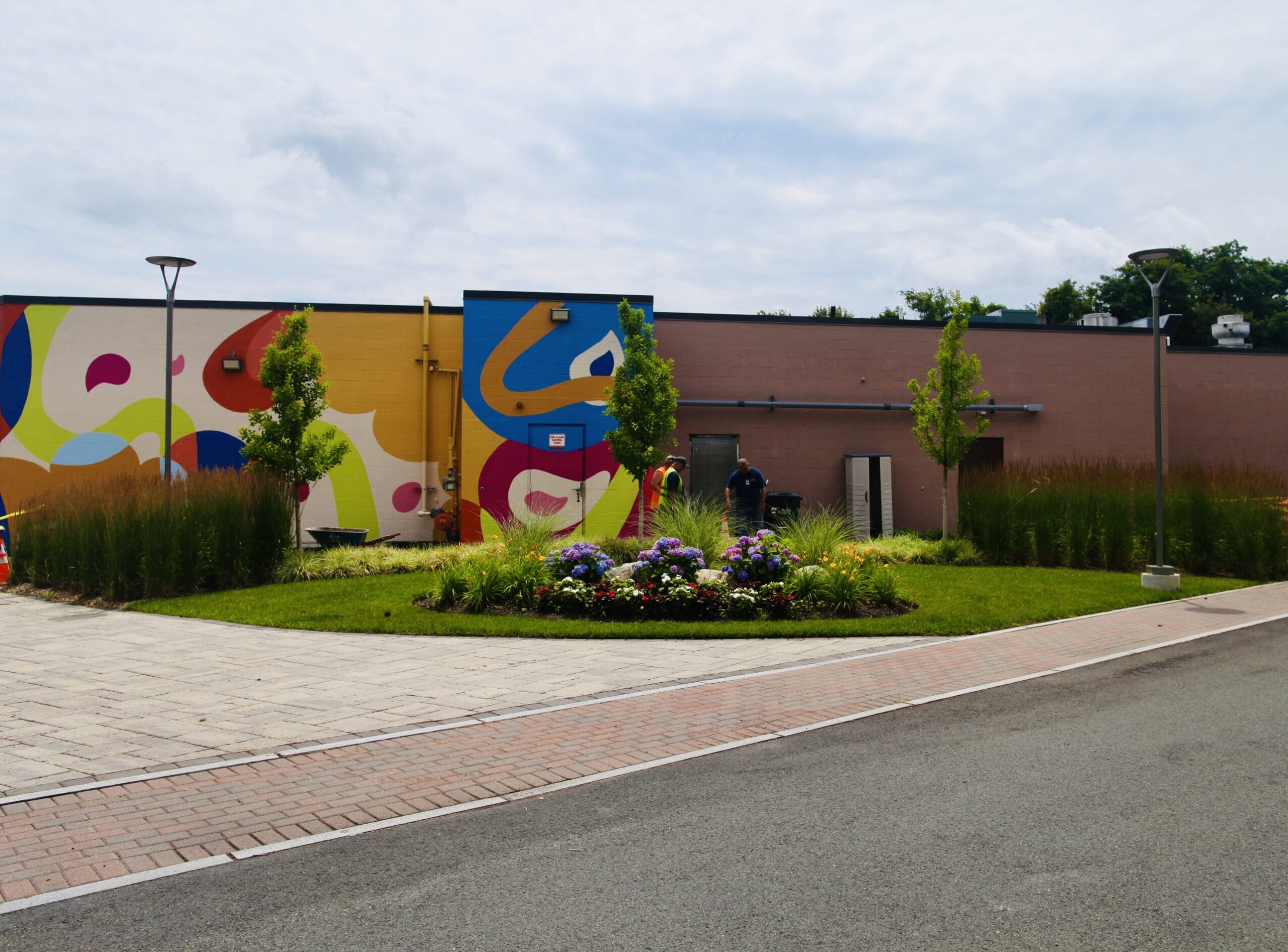
Consistent property upkeep is one of the most effective ways to protect the long-term value, functionality, and appearance of any commercial property. Preventive maintenance and routine site care help reduce emergency repairs, improve tenant satisfaction, and extend the life expectancy of critical building systems and exterior features.
Property upkeep includes far more than basic cleaning or landscaping. It involves monitoring drainage systems, maintaining parking areas and walkways, inspecting roofing and siding, servicing mechanical systems, managing seasonal weather impacts, and addressing small repairs before they escalate into major issues. Neglecting these areas can lead to structural deterioration, water intrusion, safety hazards, and increased operating costs over time.
For commercial properties especially, first impressions matter. Well-maintained buildings create a more professional appearance for tenants, customers, and visitors while helping businesses operate safely and efficiently. Properties that show visible signs of neglect may experience higher tenant turnover, lower occupancy rates, and declining property values.
Routine upkeep also helps owners plan maintenance budgets more effectively. Scheduled repairs and preventive maintenance are typically far less expensive than emergency restoration projects caused by deferred maintenance. A proactive property management strategy allows owners to identify priorities early and maintain greater control over long-term operating expenses.
In regions like Eastern Massachusetts and coastal New England, changing weather conditions make regular upkeep even more important. Snow, ice, moisture, freeze-thaw cycles, and seasonal storms can accelerate wear on buildings and site infrastructure. Ongoing maintenance helps properties remain safe, compliant, and visually appealing year-round while preserving the overall investment for years to come.
What to Look for in a Management Company?
A strong commercial property management team should do far more than coordinate vendors and compliance inspections. The right team helps protect your investment, maintain property value, reduce operational risks, and keep tenants satisfied long-term.
When evaluating a commercial property management company, experience with similar property types is one of the most important factors to consider. Office buildings, retail centers, industrial facilities, apartment complexes, and mixed-use properties all require different management strategies and infrastructure knowledge.
Property owners should also look for a team with strong communication and proactive maintenance practices. A reliable management company should identify issues early, coordinate repairs efficiently, and maintain clear reporting on budgets, maintenance schedules, inspections, and tenant concerns. Preventive maintenance programs can significantly reduce costly emergency repairs and extend the lifespan of critical building systems.
Another important consideration is contractor and vendor coordination. Commercial property managers regularly oversee excavation contractors, utility providers, drainage specialists, electricians, plumbers, and general construction teams. Choosing a management company with strong project coordination experience can help minimize disruptions during repairs or upgrades.

Finally, transparency, responsiveness, and local market knowledge matter. A qualified commercial property management team should understand regional regulations, seasonal property challenges, safety compliance requirements, and long-term asset planning. The right partnership helps commercial properties operate efficiently while supporting long-term growth, tenant retention, and overall property performance.
Frequently Asked Questions
Commercial property managers frequently deal with drainage problems, underground utility failures, pavement settlement, foundation movement, stormwater issues, sewer backups, and aging infrastructure. Preventive maintenance and early inspections can help reduce costly emergency repairs.
Warning signs often include standing water, recurring ice buildup, pavement cracking, erosion, water intrusion, sinkholes, or pooling near foundations and catch basins. Addressing drainage concerns early helps protect buildings, parking lots, and underground systems. We have a resource section for Foundations & Erosion Control that provides in-depth information on these topics.
Hydro excavation allows contractors to safely expose underground utilities using pressurized water and vacuum equipment. It reduces the risk of damaging gas lines, electrical conduits, fiber optics, and water mains while minimizing disruption to tenants and daily operations.
Planning is critical when working around active businesses, tenants, or customers. Property managers should consider utility locating, traffic flow, pedestrian safety, site access, noise control, scheduling, and minimizing operational disruptions during construction.
Commercial drainage systems should typically be inspected annually and after major storms. Properties with recurring flooding, older infrastructure, or heavy traffic may require more frequent evaluations to prevent costly failures. You can read a more detailed account of maintaining drainage systems in our guide, “Hydro Jetting Sewer Lines & Drains: What You Need to Know.”
Common warning signs include slow drains, foul odors, soggy areas near the drain field, recurring backups, unusually green grass, or standing wastewater. Early intervention can help prevent major environmental and operational issues.
Preventive maintenance helps identify small problems before they become major repairs. Regular inspections, drainage improvements, utility maintenance, and infrastructure upgrades can extend the lifespan of commercial properties and reduce emergency expenses.
Settlement and cracking are often caused by poor drainage, soil movement, freeze-thaw cycles, water infiltration, inadequate compaction, or aging subgrade materials. Addressing underlying site conditions is essential for long-term pavement stability.
Emergency excavation may be necessary when there are utility breaks, sewer failures, sinkholes, collapsed drainage systems, flooding, or unsafe site conditions that threaten property operations, safety, or structural stability.
Undergroundutility locating helps prevent accidental damage to gas, water, sewer, electric, and communication lines. Proper utility identification improves safety, reduces liability, avoids service interruptions, and supports regulatory compliance during excavation work.
Looking for a commercial property management team?
Construction Solutions Inc., based out of Amesbury Massachusetts, has been providing dedicated commercial property management for shopping plazas, office buildings, restaurants and mixed use retail properties.