
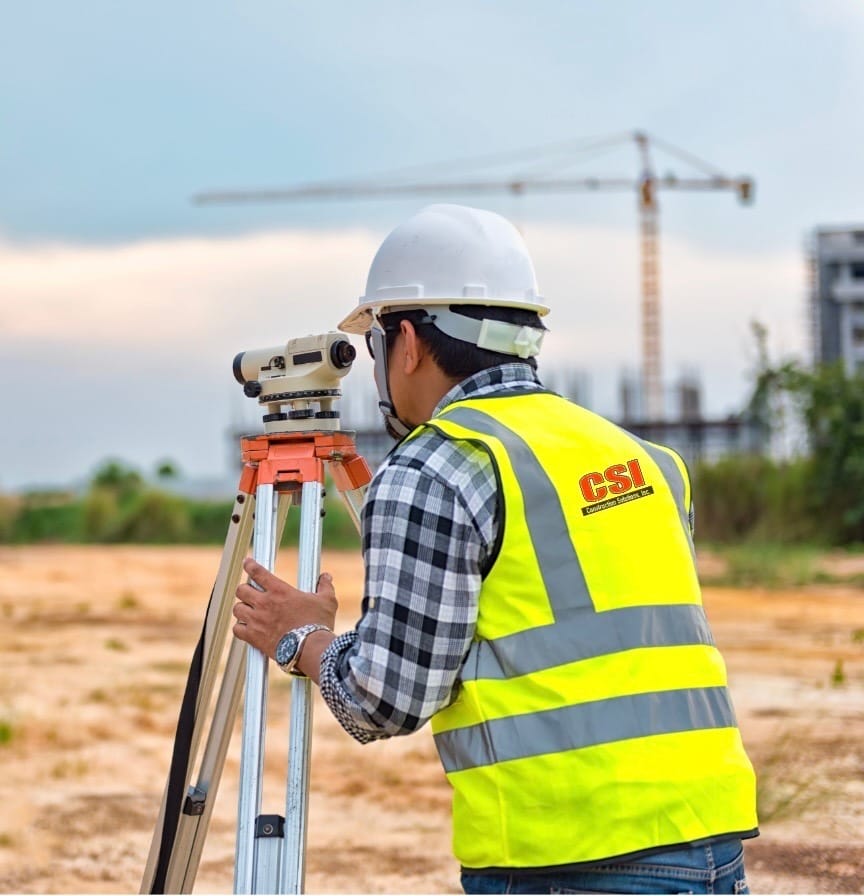
Commercial Construction Resources & Expert Insights
Commercial construction projects require detailed planning, coordination, budgeting, scheduling, and site management to move successfully from concept to completion. From tenant fit-outs and site development to full-scale commercial facilities, every project involves multiple moving parts that must work together efficiently to meet deadlines, safety requirements, and long-term performance goals.
This commercial construction resource hub is designed to provide property owners, developers, facility managers, investors, and contractors with educational information related to commercial building projects throughout Massachusetts and New England.
This resource center continues to grow with regularly published articles covering important topics such as:
- Commercial project planning
- Design-build construction
- Tenant fit-outs and renovations
- Site coordination and scheduling
- Stormwater management and erosion control
- Commercial infrastructure development
- Parking lot and exterior improvements
- Excavation coordination and utility planning
- Construction management and project oversight
Commercial construction projects often involve collaboration between owners, engineers, architects, municipalities, subcontractors, and site contractors. Understanding how these components work together can help improve project efficiency, reduce delays, and support better long-term building performance.
Whether planning a new commercial facility, renovating an existing property, or preparing for site development, informed decision making plays a major role in successful project outcomes.


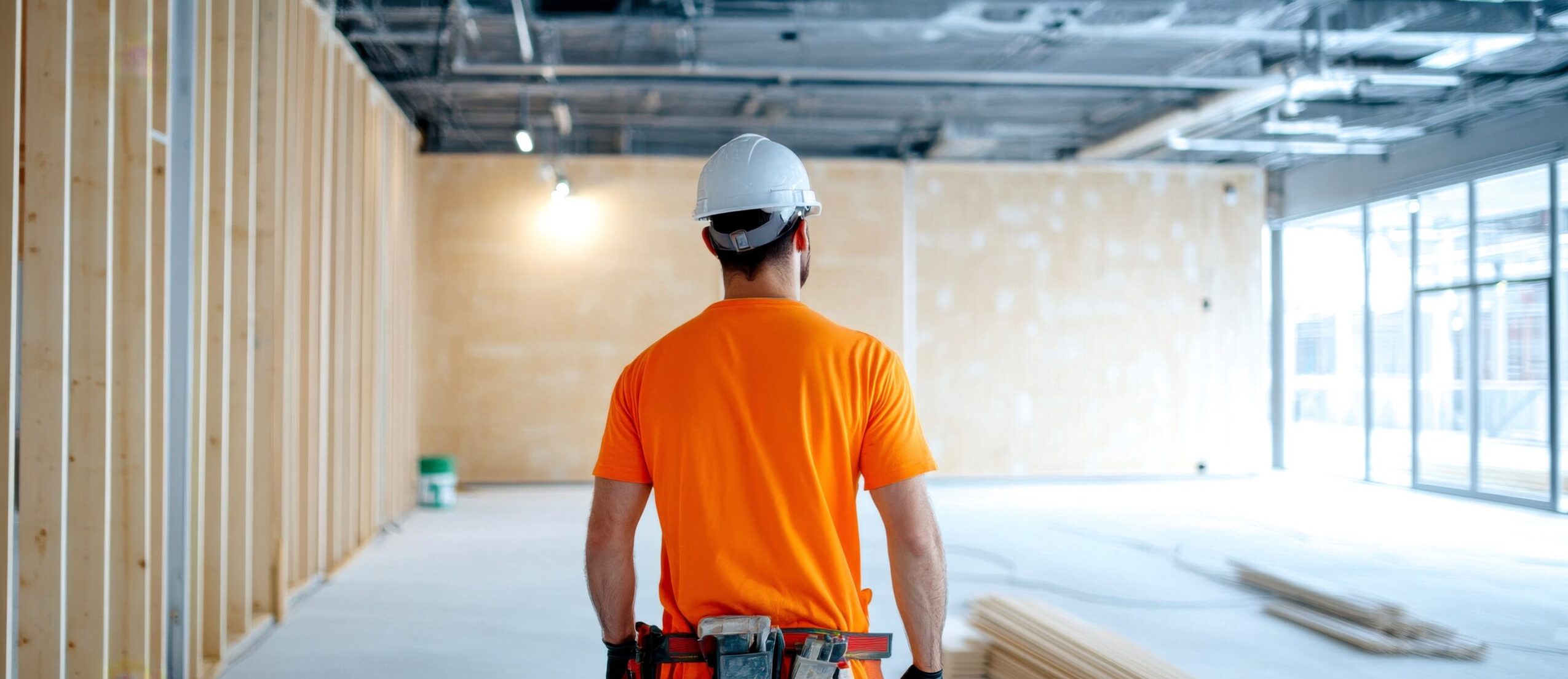

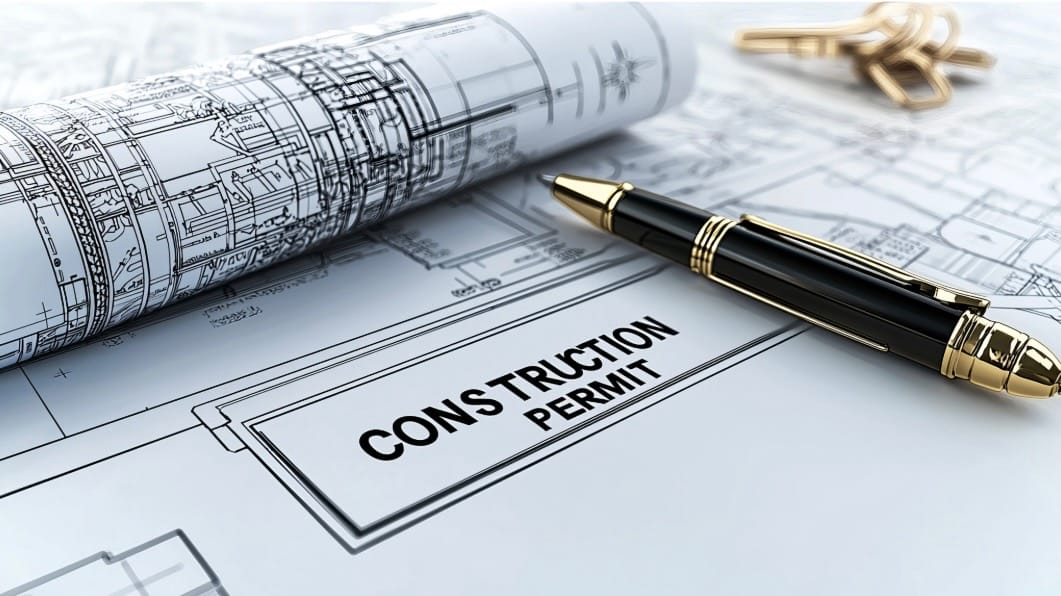
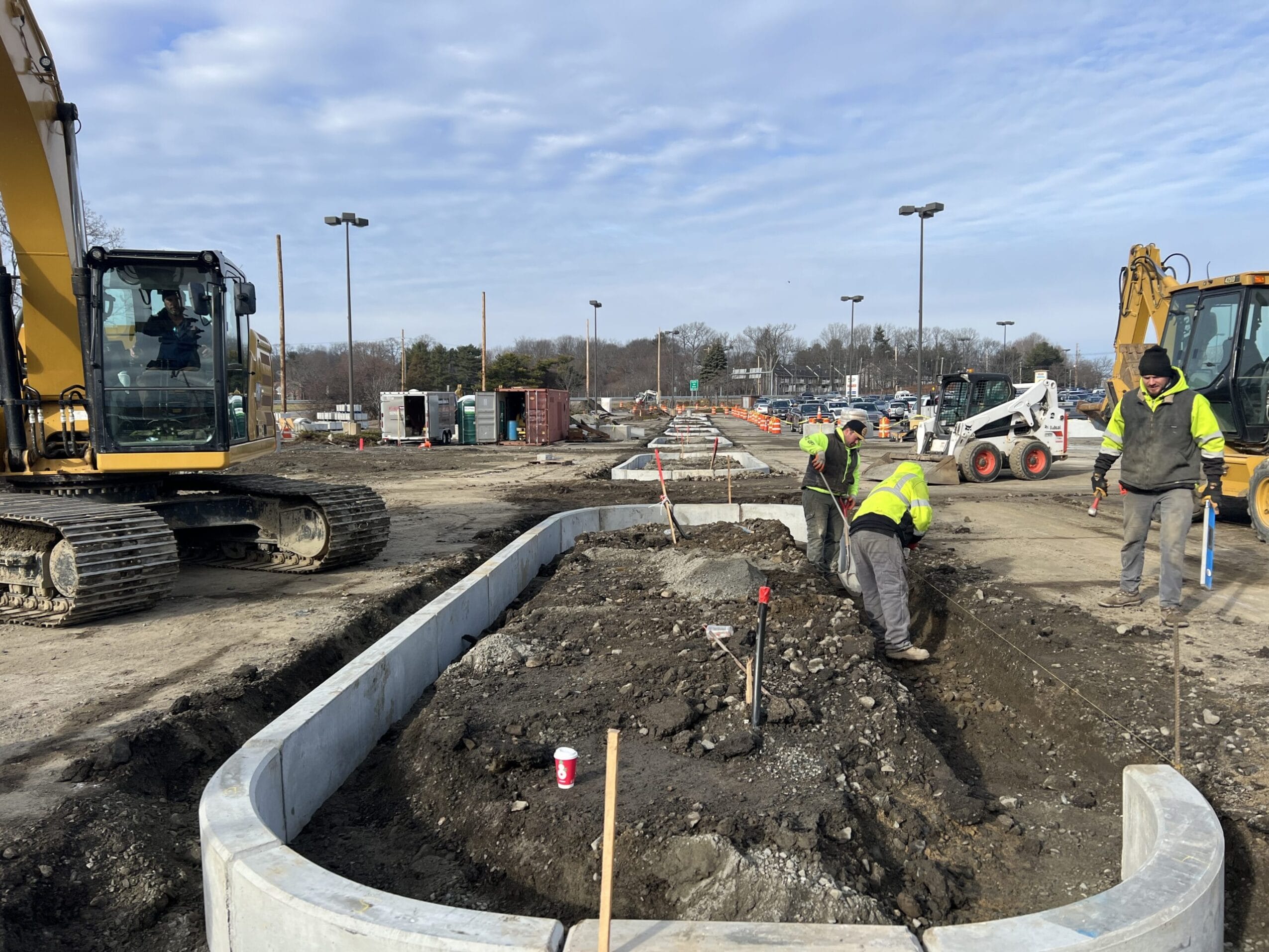
Design-Build Construction
Design-build construction is a project delivery method where both the design and construction services are managed under a single contract or coordinated project team. Unlike traditional construction models that separate design and construction responsibilities, design-build projects streamline communication and improve collaboration throughout the project lifecycle.
This approach allows property owners and developers to work with a more unified team from the early planning stages through final construction and turnover.
Benefits of design-build construction often include:
- Improved communication between teams
- Faster project timelines
- Better coordination between design and field operations
- Reduced scheduling conflicts
- Greater cost visibility during planning
- More efficient problem-solving during construction
- Increased flexibility as project conditions evolve
Design-build methods are commonly used for commercial developments because they allow construction considerations to be addressed earlier in the design process. Site constraints, utility coordination, drainage requirements, permitting concerns, and budget considerations can all be reviewed before construction begins.

In regions like Eastern Massachusetts and Southern New Hampshire, where permitting, environmental regulations, and site limitations can significantly impact schedules, design-build coordination often helps reduce delays and improve overall project efficiency.
What Is a Project Manager and Why Are They Important?
A project manager plays a critical role in commercial construction by overseeing project coordination, communication, scheduling, budgeting, logistics, and daily operations throughout the construction process.
Commercial construction projects involve many moving parts, including subcontractors, suppliers, engineers, inspectors, utility companies, municipal agencies, and property owners. The project manager helps ensure these components remain organized and aligned with the project goals.
Key responsibilities of a commercial construction project manager may include:
- Coordinating project schedules
- Managing subcontractor communication
- Monitoring budgets and timelines
- Overseeing safety compliance
- Tracking material deliveries
- Addressing field issues and conflicts
- Coordinating inspections and permitting
- Managing documentation and reporting
- Supporting quality control throughout construction
Strong project management helps minimize delays, improve communication, and reduce costly disruptions during construction.
In commercial projects, even small coordination issues can impact multiple trades and create schedule setbacks. Effective project managers help identify potential problems early and keep projects progressing efficiently from pre-construction through final turnover.
Common Commercial Construction Challenges in Massachusetts
Commercial construction projects throughout Massachusetts face a variety of unique challenges related to weather conditions, permitting requirements, site limitations, aging infrastructure, and regional construction demands.
One of the most significant challenges is navigating local permitting and regulatory approvals. Many municipalities throughout Massachusetts have strict zoning requirements, stormwater regulations, erosion control standards, and environmental review processes that can impact project timelines.
Other common commercial construction challenges include:
- Limited site access in urban environments
- Utility coordination and underground infrastructure conflicts
- Seasonal weather delays and freeze-thaw conditions
- Stormwater management compliance
- Escalating material costs
- Labor and scheduling coordination
- Traffic management requirements
- Working around occupied commercial facilities
- Groundwater and drainage issues
- Existing infrastructure limitations
Construction schedules in New England are also heavily influenced by weather. Snow, heavy rainfall, frozen ground, and fluctuating temperatures can affect excavation, concrete work, paving operations, and site access throughout the year.
Successful commercial construction projects require proactive planning, experienced coordination, flexible scheduling, and strong communication between all parties involved.
How Do Developers Choose A Contractor
Successful commercial developments depend heavily on selecting the right contractor long before construction begins. Developers should look beyond pricing alone and evaluate a contractor’s experience, communication, project management capabilities, and ability to coordinate complex site operations. A qualified contractor should demonstrate a strong track record with commercial excavation, utility installation, grading, drainage systems, and overall site development similar in size and scope to the proposed project.
Developers should also prioritize contractors with a proven commitment to safety, scheduling, and regulatory compliance. Commercial projects often involve strict timelines, municipal approvals, environmental requirements, and coordination with engineers, architects, utility companies, and subcontractors. Contractors who communicate proactively and identify potential issues early can help prevent costly delays and unexpected change orders.
Equipment capabilities and workforce experience are equally important. Contractors with modern equipment, experienced operators, and in-house project management resources are typically better equipped to maintain productivity and adapt to changing site conditions. Developers should also verify licensing, insurance coverage, references, and financial stability before awarding a project.
Transparency is another critical factor. Reliable contractors provide detailed proposals, realistic timelines, and clear expectations regarding project scope, permitting responsibilities, and unforeseen conditions. Strong documentation and communication throughout the project help create accountability and reduce disputes.
Ultimately, developers benefit most from contractors who operate as long-term project partners rather than simply excavation providers. The right contractor helps protect budgets, maintain schedules, improve site safety, and contribute to the overall success and long-term performance of the commercial property.
Frequently Asked Questions
Commercial construction involves building or renovating structures used for business purposes, including office buildings, retail spaces, warehouses, restaurants, industrial facilities, and multi-use developments.
Commercial construction projects are typically larger in scale and involve stricter building codes, more complex infrastructure systems, greater permitting requirements, and increased coordination between multiple trades and stakeholders.
A tenant fit-out is the process of customizing a commercial interior space for a tenant’s operational needs, including layout modifications, finishes, utilities, offices, and specialized systems.
Pre-construction planning helps identify project risks, establish budgets and schedules, coordinate permitting, evaluate site conditions, and improve overall project organization before work begins.
A project manager coordinates communication, scheduling, budgeting, subcontractors, inspections, and overall project operations to help keep construction moving efficiently.
Project timelines vary depending on the building size, site conditions, permitting requirements, weather, and construction complexity. Some projects may take several months while larger developments can extend beyond a year.
Design-build construction combines design and construction services into a more unified project delivery approach that improves coordination and streamlines communication.
Stormwater management helps control runoff, prevent erosion, reduce flooding risks, and maintain compliance with local environmental regulations.
Common regional challenges include freeze-thaw cycles, difficult site access, older utility infrastructure, seasonal weather delays, drainage concerns, and complex municipal permitting requirements.
Clear communication between contractors, engineers, project managers, property owners, and subcontractors helps reduce delays, resolve field conflicts, improve scheduling, and support overall project success.
Are Your Planning a Commercial Build?
With over 40 years of experience, Construction Solutions, Inc. provides professional commercial construction and excavation services throughout Massachusetts and Southern New Hampshire and Southern Maine
Contact our team today to discuss your commercial construction project.