

Table of contents
- Environmental Compliance During Development
- What Is Environmental Compliance in Property Development?
- Why Environmental Compliance Should Be Addressed Early
- Environmental Due Diligence Before Development
- Understanding Contaminated Soil and Groundwater
- Environmental Remediation and Site Development
- Soil Management During Construction
- Erosion and Sediment Control Requirements
- Stormwater Management During Development
- Wetlands and Environmentally Sensitive Areas
- Utility Protection and Environmental Risk
- The Importance of Coordination Between Project Professionals
- Common Environmental Compliance Challenges During Construction
- How Developers Can Reduce Environmental Compliance Risks
- Environmental Compliance is Part of Smart Development Planning
- Environmental Compliance and Site Development in New England
- Planning a Development?

Environmental Compliance During Development
Environmental compliance is an important part of successful property development. Whether a project involves commercial construction, residential development, redevelopment of an existing property, or major site work, environmental requirements can affect project schedules, costs, permitting, excavation methods, and long-term property liability.
For developers and property owners in Massachusetts, New Hampshire, Maine, and throughout New England, understanding environmental considerations early in the development process can help prevent costly delays and unexpected conditions once construction begins.
Environmental compliance is not simply a matter of checking a box before construction starts. It is an ongoing consideration that may involve environmental due diligence, site assessments, permitting, soil management, erosion and sediment control, stormwater requirements, utility protection, and coordination between property owners, engineers, environmental professionals, and contractors.
This guide explains the key environmental compliance considerations that can affect a development project and why early planning is essential.
What Is Environmental Compliance in Property Development?

Environmental compliance refers to following applicable environmental laws, regulations, permits, and requirements that apply to a property or construction project.
The requirements for a particular project can vary significantly depending on factors such as:
- The property’s previous use
- Existing or historical contamination
- Wetlands and other sensitive environmental resources
- Soil and groundwater conditions
- The amount of land disturbance
- Stormwater impacts
- The presence of underground storage tanks or other regulated materials
- The proposed use of the property
- Federal, state, and local regulations
For developers, environmental compliance often begins long before excavation equipment arrives on the site.
A project may require environmental due diligence during the property acquisition process, followed by additional investigation, permitting, remediation, or construction controls before and during development.
Why Environmental Compliance Should Be Addressed Early
One of the biggest mistakes in development planning is waiting until construction is about to begin before investigating environmental conditions.
Unexpected environmental issues can create significant challenges once a project is already under contract or construction is underway.
Early environmental planning can help identify potential concerns involving:
- Contaminated soil or groundwater
- Historic industrial or commercial property uses
- Underground storage tanks
- Wetlands and buffer zones
- Vapor intrusion concerns
- Soil disposal requirements
- Stormwater management
- Erosion and sediment control
- Environmental remediation requirements
Identifying these issues early gives the project team more time to evaluate potential solutions and incorporate environmental requirements into the development schedule and budget.
For commercial redevelopment projects in particular, environmental due diligence can be a critical part of understanding potential risk before purchasing or developing a property.

Environmental Due Diligence Before Development
Environmental due diligence is often one of the first steps in evaluating a property for development or redevelopment.
The purpose is to identify potential environmental concerns associated with the property and its history.

Phase I Environmental Site Assessments
A Phase I Environmental Site Assessment, commonly called a Phase I ESA, is often used to identify potential or existing environmental concerns associated with a property.
The assessment may include a review of:
- Historical property uses
- Aerial photographs and maps
- Regulatory databases
- Records relating to surrounding properties
- Environmental liens or activity and use limitations
- Current site conditions
A Phase I ESA generally does not involve collecting soil or groundwater samples. Instead, it helps identify recognized environmental conditions that may require additional investigation.
For developers, lenders, commercial property buyers, and investors, completing appropriate environmental due diligence before a transaction can provide valuable information about potential environmental risk.
You can learn more about a Phase I Environmental Assessment in our rescue guide, “What is a Phase I Environmental Site Assessment? A Guide for Property Owners and Developers.”
When a Phase II ESA May Be Necessary
If a Phase I Environmental Site Assessment identifies a potential environmental concern, additional investigation may be recommended.
A Phase II Environmental Site Assessment can involve collecting and analyzing environmental samples to evaluate conditions at the property.
Depending on the project, sampling may involve:
- Soil
- Groundwater
- Soil gas
- Other environmental media
The results can help environmental professionals determine whether contamination is present and whether additional assessment or remediation may be necessary.
For a development project, identifying these conditions before major construction begins can make a significant difference in project planning.
You can learn more about a Phase II Environmental Assessment in our rescue guide, Phase II Environmental Site Assessment: What You Need to Know.”

We regular offer resources for property owners, contractors and developers on Environmental remediation. You can view our Resource Page: “Environmental Remediation Resources”
Understanding Contaminated Soil and Groundwater

Redevelopment and excavation projects can uncover conditions that were not obvious during an initial site visit.
Older commercial and industrial properties may have a history involving activities such as:
- Fuel storage
- Manufacturing
- Vehicle maintenance
- Dry cleaning
- Chemical storage
- Waste handling
- Industrial operations
These historic uses can sometimes create environmental concerns involving soil or groundwater.
When unexpected conditions are encountered during excavation, the project team may need to stop work in the affected area while environmental professionals evaluate the situation.
This can affect construction schedules and create additional costs if the issue was not anticipated during planning.
Proper coordination between the property owner, environmental consultant, engineer, and excavation contractor can help ensure that potentially impacted materials are handled appropriately.
You can read our guide “Vapor Intrusion Risks Explained” to learn more.
Environmental Remediation and Site Development
Environmental remediation and site development often need to be carefully coordinated.
A property may require investigation or cleanup before certain construction activities can proceed. In other situations, remediation and redevelopment activities may occur as part of a coordinated plan.
Construction activities may include:
- Removal of impacted soil
- Excavation around known areas of concern
- Installation of environmental systems
- Utility work
- Foundation excavation
- Site grading
- Soil management
- Restoration of disturbed areas
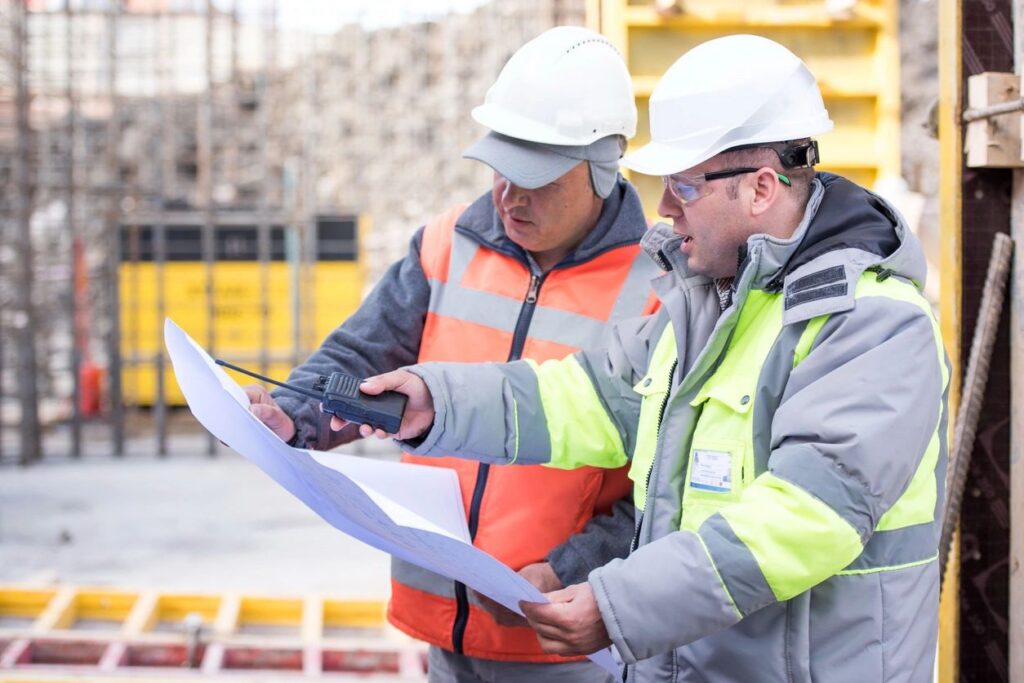
The excavation contractor plays an important role in implementing the construction portion of the project while working under the direction of the appropriate project professionals and in accordance with project plans and requirements.
Clear communication is essential. Environmental conditions can change rapidly once excavation begins, and contractors need to understand the procedures for handling unexpected discoveries.
Soil Management During Construction
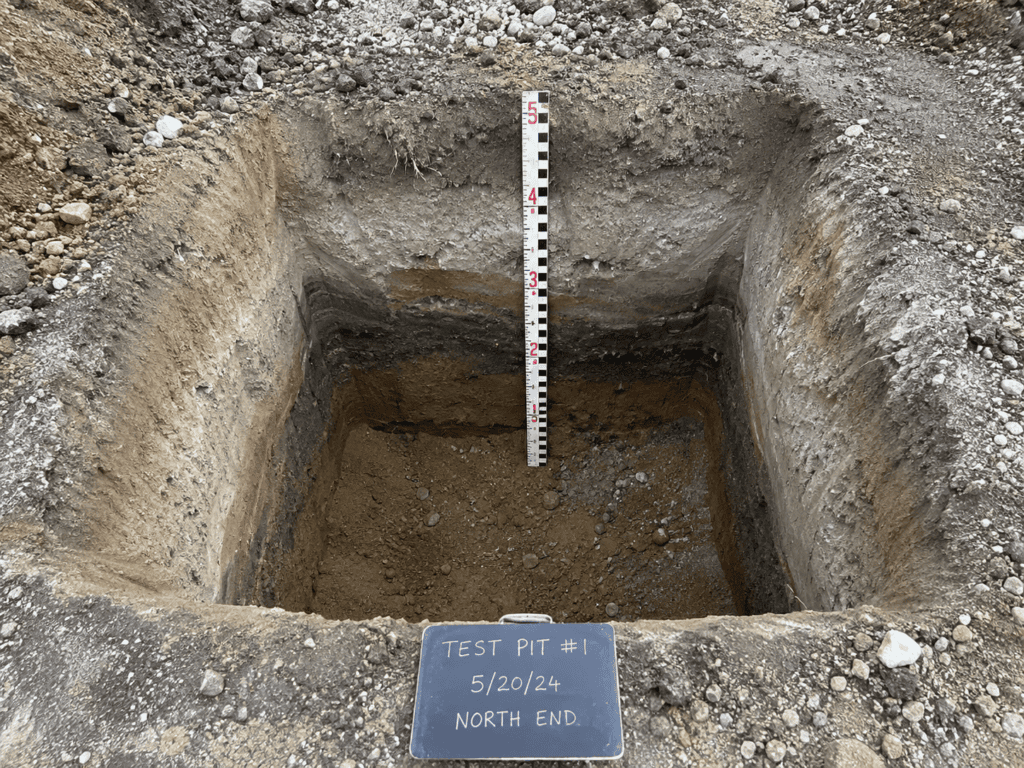
Excavated soil cannot always be treated as ordinary fill.
Depending on site conditions, the project may require a soil management plan that addresses how excavated material will be:
- Evaluated
- Stockpiled
- Segregated
- Reused
- Transported
- Disposed of
Proper soil management can be especially important on redevelopment sites where different areas of a property may have different environmental conditions.
Mixing materials unnecessarily can increase the volume of soil requiring specialized management or disposal.
From a construction perspective, careful planning can help reduce unnecessary handling and keep excavation activities moving efficiently.
Before excavation begins, the project team should understand:
- Where soil can be stockpiled
- Which materials must remain separated
- Whether testing is required
- How materials will be transported
- Where approved material can be reused
- What documentation may be required
You can learn more about contaminated soil removal process in our guide: “Contaminated Soil Removal Process: A Step-by-Step Guide for Property Owners in Massachusetts.”
Erosion and Sediment Control Requirements
Environmental compliance also involves protecting surrounding properties and natural resources during construction.
Site disturbance can increase the potential for erosion and sediment to leave the construction site.
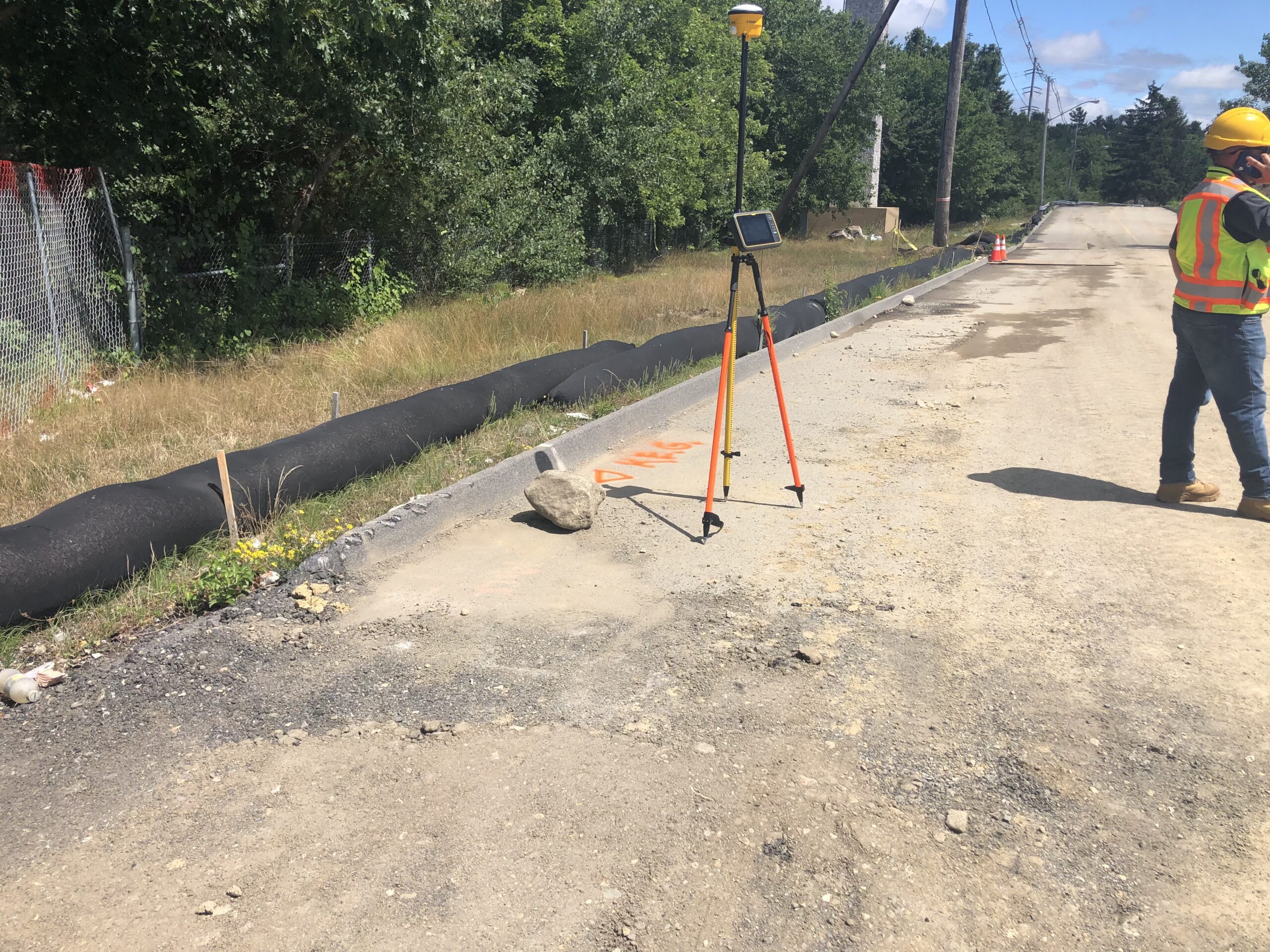
Effective erosion and sediment control measures may include:
- Silt fencing
- Stabilized construction entrances
- Temporary drainage controls
- Sediment barriers
- Temporary stabilization
- Proper grading practices
- Inspection and maintenance of erosion controls
These measures should not be treated as something that is installed once and forgotten.
Construction activity, heavy rain, changing site conditions, and equipment movement can all affect erosion control systems.
Regular inspection and maintenance are important throughout the project.
Proper erosion and sediment control helps protect nearby wetlands, waterways, drainage systems, and neighboring properties while supporting compliance with applicable project requirements.
Stormwater Management During Development

Stormwater is another major environmental consideration for many development projects.
New construction and redevelopment can change how water moves across a property. Buildings, parking areas, roadways, and other impervious surfaces can increase runoff.
A properly designed stormwater management system may be necessary to control runoff and protect downstream resources.
Depending on the project, construction activities may involve:
- Site grading
- Drainage improvements
- Detention or retention systems
- Infiltration systems
- Catch basins
- Drainage structures
- Underground stormwater systems
Environmental compliance and good site development practices go hand in hand.
Poor drainage planning can contribute to erosion, flooding, property damage, and long-term maintenance problems.
Addressing drainage and stormwater requirements early allows the development team to coordinate engineering, permitting, and construction activities more effectively.
Wetlands and Environmentally Sensitive Areas
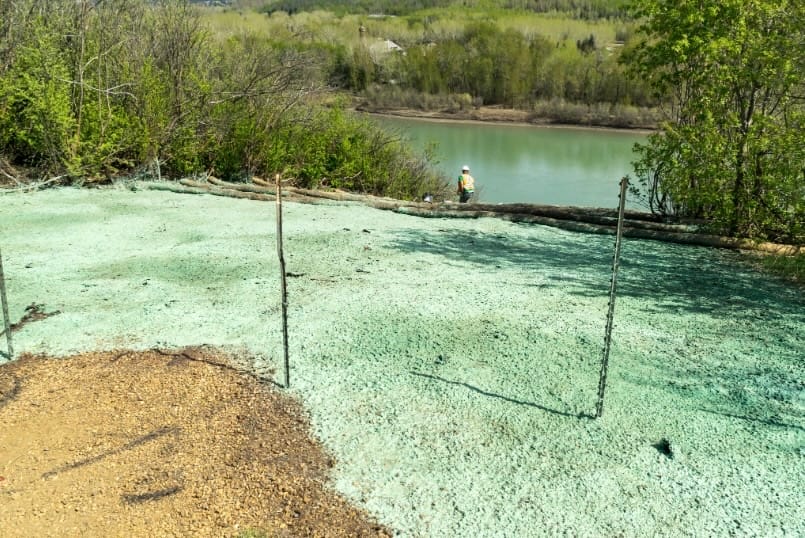
Properties located near wetlands, waterways, flood-prone areas, or other sensitive environmental resources may be subject to additional requirements.
Development activities that can affect these areas may require careful planning and permitting.
Potential considerations can include:
- Wetland resource areas
- Buffer zones
- Surface water
- Floodplains
- Protected habitat
- Local conservation requirements
It is important to identify these resources early in the planning process.
An excavation contractor should not make assumptions about where work can occur. Project limits, approved plans, permits, and environmental controls should clearly define construction activities.
For developers, early environmental review can help prevent the discovery of significant site constraints after project design is already underway.
Utility Protection and Environmental Risk

Underground utilities can create both safety and environmental concerns during development.
Damaging an underground utility can result in service interruptions, costly repairs, injuries, or environmental releases.
Before excavation begins, utility locations should be properly addressed through the required notification and locating processes.
However, marked utility locations may not always provide the exact information needed for complex construction activities.
In congested or high-risk areas, vacuum excavation can be used to expose utilities more precisely before conventional excavation begins.
Vacuum excavation and utility daylighting can help contractors visually verify the location of underground infrastructure while reducing the risk associated with mechanical digging near sensitive utilities.
This approach can be particularly valuable on:
- Commercial redevelopment sites
- Urban construction projects
- Utility corridors
- Properties with extensive underground infrastructure
- Sites with incomplete utility records
Protecting underground infrastructure is an important part of responsible site development and risk management.
Learn more about our Vacuum Excavation Services
The Importance of Coordination Between Project Professionals
Environmental compliance during development requires collaboration.
A successful project may involve:
- Property owners
- Developers
- Environmental consultants
- Licensed environmental professionals
- Civil engineers
- Surveyors
- Attorneys
- Municipal officials
- General contractors
- Excavation contractors
- Utility contractors
Each professional has a different role in the development process.
Problems can occur when environmental requirements are developed independently from the construction plan.
For example, an environmental consultant may identify a soil management requirement that affects excavation sequencing. If the contractor does not receive that information until work has already started, the project may experience unnecessary delays.
Early coordination allows the construction team to understand environmental requirements before mobilizing equipment.
Common Environmental Compliance Challenges During Construction
Even well-planned projects can encounter unexpected conditions.
Some common challenges include:
Unexpected Soil Conditions
Excavation may uncover soil that differs from what was anticipated during initial investigation.
When this happens, work may need to be adjusted while the appropriate professionals evaluate the condition.
Previously Unknown Underground Structures
Older properties may contain abandoned tanks, piping, foundations, dry wells, or other buried structures.
These discoveries may require additional investigation before removal or disturbance.
Changing Site Conditions
Heavy rainfall, erosion, groundwater, and construction activity can change site conditions quickly.
Environmental controls may need to be inspected and adjusted throughout the project.
Poor Communication
Many construction delays occur because important information does not reach the right people at the right time.
Clear documentation and communication between the project team are essential.
How Developers Can Reduce Environmental Compliance Risks
Environmental issues cannot always be eliminated, but developers can take practical steps to reduce uncertainty.
1. Start Environmental Due Diligence Early
Environmental investigations should begin early enough to identify potential concerns before major financial and construction decisions are finalized.
2. Understand the Property’s History
Historic property uses can provide important clues about potential environmental conditions.
This is particularly important for commercial and industrial redevelopment projects.
3. Coordinate Environmental and Construction Planning
Environmental requirements should be incorporated into the construction schedule rather than treated as a separate process.
4. Establish Clear Procedures for Unexpected Conditions
The project team should know what to do if potentially impacted soil, buried structures, or other unexpected conditions are encountered.
5. Use Qualified Professionals
Environmental compliance is a specialized area. Developers should work with qualified environmental and engineering professionals appropriate for the specific project.
6. Communicate With Contractors Before Work Begins
Contractors need to understand site-specific environmental requirements, work limits, soil management procedures, and other relevant project controls before construction starts.
Environmental Compliance is Part of Smart Development Planning
Environmental compliance should not be viewed only as a regulatory obstacle.
When environmental considerations are addressed early, they can help developers better understand property risks, plan construction activities, and avoid unnecessary surprises.
For redevelopment and complex site development projects, the earlier the project team understands environmental conditions, the better prepared they are to manage costs, scheduling, and construction activities.
A successful project requires more than moving earth and constructing buildings.
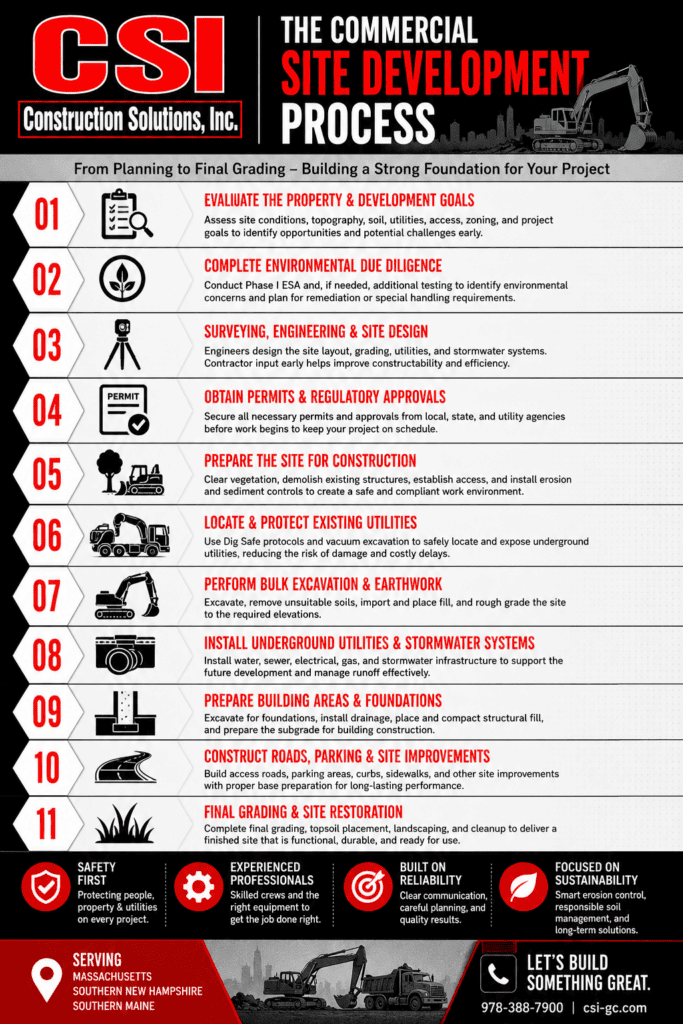
It requires careful coordination between environmental planning, engineering, permitting, excavation, utilities, drainage, and construction.
By addressing environmental compliance early and maintaining communication throughout the development process, property owners and developers can make better-informed decisions and reduce the risk of costly disruptions.
Environmental Compliance and Site Development in New England
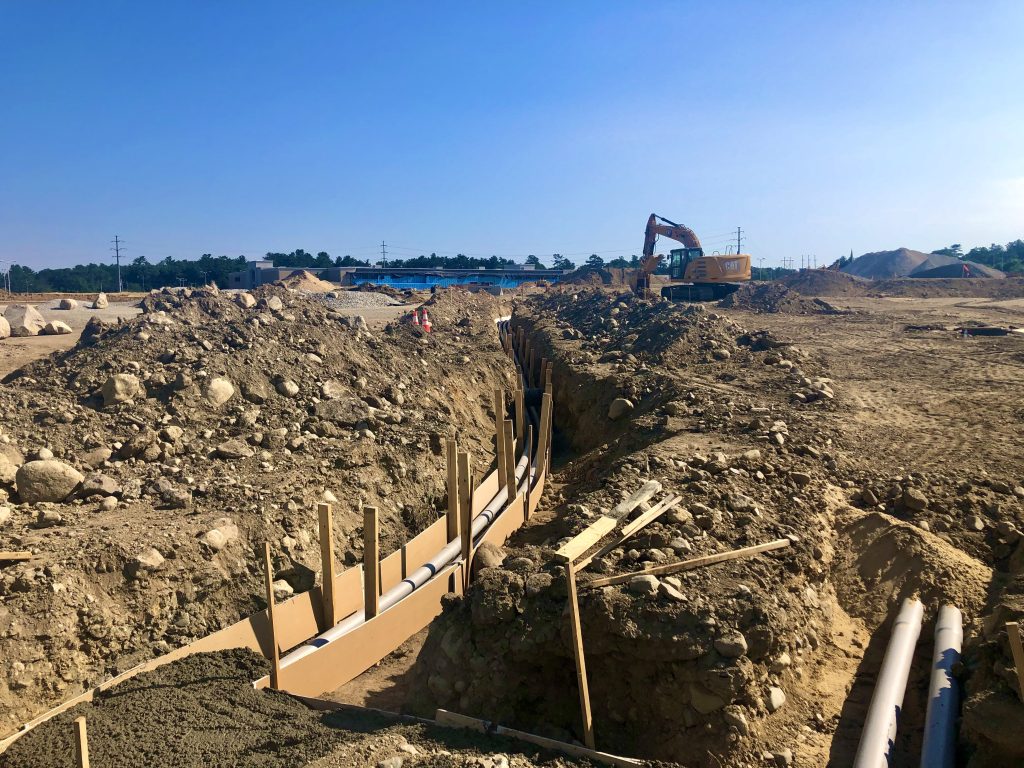
Construction Solutions, Inc. provides excavation, site work, vacuum excavation, and commercial construction services for projects throughout Massachusetts, Southern New Hampshire, and Southern Maine.
Our team works with property owners, developers, engineers, environmental professionals, and general contractors to support complex site development and construction projects.
From site preparation and excavation to utility daylighting, drainage, grading, and construction support, careful planning and coordination are essential to keeping projects moving forward.
Planning a Development?
If you are planning a commercial development, redevelopment project, or complex site work project, contact Construction Solutions, Inc. to discuss your construction and site development needs.