

Table of contents
- Understanding Massachusetts Environmental Site Cleanup Requirements
- What Is the Massachusetts Contingency Plan (MCP)?
- Common Sources of Environmental Contamination
- When Does MassDEP Become Involved?
- Step 1: Site Discovery and Initial Assessment
- Step 2: Site Characterization
- Step 3: Risk Assessment
- Step 4: Develop a Remediation Plan
- Step 5: Excavation and Contaminated Soil Removal
- Step 6: Transportation and Disposal
- Step 7: Site Restoration
- Licensed Site Professionals (LSPs)
- Brownfield Redevelopment in Massachusetts
- Why Experienced Excavation Contractors Matter
- Frequently Asked Questions
- Serving Massachusetts with Environmental Remediation Support

Understanding Massachusetts Environmental Site Cleanup Requirements
Whether you’re purchasing commercial property, redeveloping a former industrial site, expanding a business, or preparing land for new construction, environmental contamination can quickly become one of the biggest obstacles to your project.
Massachusetts has one of the nation’s most comprehensive environmental cleanup programs, overseen by the Massachusetts Department of Environmental Protection (MassDEP). Understanding the cleanup process helps property owners avoid costly delays, maintain regulatory compliance, and protect public health.
At Construction Solutions, Inc., we work alongside environmental consultants, engineers, municipalities, and developers throughout Massachusetts to perform excavation, contaminated soil removal, environmental remediation support, vacuum excavation, utility exposure, demolition, grading, and site restoration for projects requiring environmental cleanup.
This guide explains the Massachusetts Contingency Plan (MCP), how contaminated sites are cleaned, and what property owners should expect throughout the remediation process.
What Is the Massachusetts Contingency Plan (MCP)?
The Massachusetts Contingency Plan (310 CMR 40.0000) establishes the legal framework for investigating and cleaning contaminated properties throughout the Commonwealth.
The MCP provides procedures for responding to releases of:
- Petroleum products
- Heating oil
- Diesel fuel
- Gasoline
- Solvents
- Heavy metals
- Industrial chemicals
- Hazardous waste
- PFAS contamination
- Volatile Organic Compounds (VOCs)
Its primary goals include:
- Protecting public health
- Protecting groundwater
- Preventing migration of contaminants
- Returning properties to productive use
- Supporting brownfield redevelopment

Common Sources of Environmental Contamination
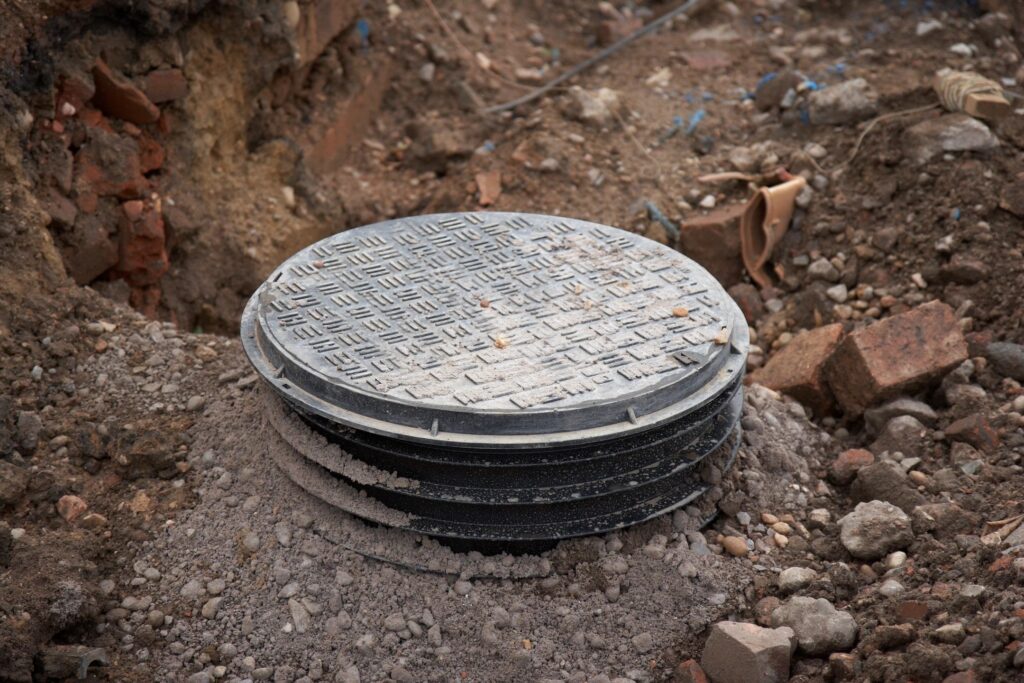
Environmental contamination may result from decades of industrial or commercial activity.
Common examples include:
- Former gas stations
- Auto repair facilities
- Dry cleaners
- Manufacturing plants
- Machine shops
- Railroad properties
- Commercial fueling facilities
- Municipal properties
- Industrial warehouses
- Landfills
- Underground storage tanks
- Heating oil tank failures
Even residential properties can be impacted by historic oil spills, buried tanks, illegal dumping, or contaminated fill.
When Does MassDEP Become Involved?
MassDEP becomes involved after a Reportable Release or Threat of Release of oil or hazardous materials.
Examples include:
- Underground storage tank leaks
- Chemical spills
- Fuel releases
- Discovery of contaminated soil during excavation
- Groundwater contamination
- Vapor intrusion concerns
- Historic contamination discovered during redevelopment
Certain releases require immediate notification.
Others may qualify for different reporting timelines depending on the contaminant and risk level.
Step 1: Site Discovery and Initial Assessment

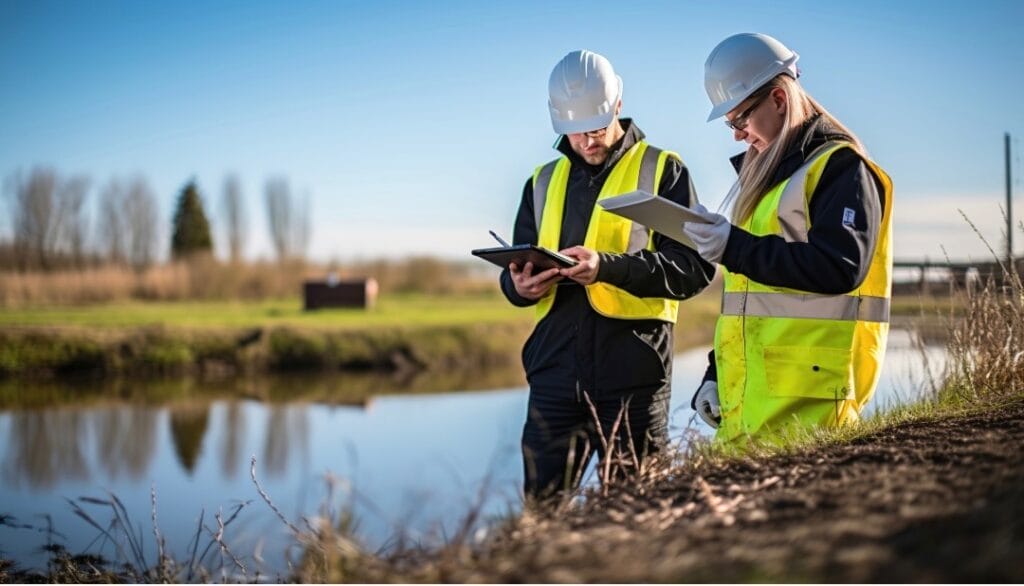
The first step involves identifying contamination.
This may occur through:
- Phase I Environmental Site Assessments
- Phase II investigations
- Soil testing
- Groundwater sampling
- Vapor sampling
- Construction excavation
- Utility installation
- Demolition projects
Environmental consultants determine the nature and extent of contamination before developing a remediation strategy.
Step 2: Site Characterization
Once contamination is confirmed, investigators determine:
- What contaminants are present
- Concentration levels
- Soil conditions
- Groundwater impacts
- Bedrock conditions
- Migration pathways
- Sensitive receptors
- Nearby drinking water supplies
- Wetlands
- Residential properties
Detailed mapping allows remediation contractors to safely remove contaminated materials while minimizing unnecessary excavation.

Step 3: Risk Assessment

MassDEP focuses on actual risk, not simply the presence of contamination.
Licensed Site Professionals (LSPs) evaluate:
- Human health exposure
- Indoor air quality
- Vapor intrusion
- Ecological impacts
- Drinking water risk
- Construction worker exposure
- Future land use
The risk assessment determines the cleanup standards required.
Step 4: Develop a Remediation Plan
Cleanup strategies vary significantly depending on site conditions.
Common remediation methods include:
Contaminated Soil Excavation
The most common approach.
Excavation removes impacted soil for transportation to licensed disposal facilities.
Benefits include:
- Immediate contaminant removal
- Faster project completion
- Reduced long-term liability
You can learn more by reading our guide, “Contaminated Soil Removal Process: A Step-by-Step Guide for Property Owners in Massachusetts“

Groundwater Treatment
Some projects require:
- Pump and treat systems
- In-situ treatment
- Chemical oxidation
- Air sparging
- Monitoring wells
Vapor Mitigation Systems
When volatile contaminants threaten indoor air quality, remediation may include:
- Sub-slab depressurization systems
- Vapor barriers
- Passive venting systems
- Active mitigation systems
Construction Solutions, Inc. regularly installs sub-slab depressurization systems as part of environmental remediation and redevelopment projects throughout Massachusetts.


Engineered Barriers
Some sites remain protective through:
- Asphalt caps
- Concrete caps
- Clean soil covers
- Geotextile barriers
Step 5: Excavation and Contaminated Soil Removal
Excavation is often the most visible phase of cleanup.
During this stage contractors may perform:
- Controlled excavation
- Utility locating
- Vacuum excavation around sensitive utilities
- Segregation of contaminated materials
- Stockpile management
- Load-out operations
- Trucking coordination
- Erosion control
- Dust suppression
- Confirmation sampling
Proper documentation is essential throughout excavation.
Environmental consultants collect confirmation samples verifying cleanup objectives have been achieved.

Step 6: Transportation and Disposal

Contaminated materials cannot simply be hauled away like ordinary construction debris.
Massachusetts regulations require:
- Approved transporters
- Proper waste characterization
- Licensed disposal facilities
- Chain-of-custody documentation
- Disposal manifests
- Weight tickets
- Environmental reporting
Proper documentation protects property owners from future liability.
Step 7: Site Restoration
Following remediation, contractors restore the property by completing:
- Backfilling
- Compaction
- Utility installation
- Drainage improvements
- Grading
- Foundation preparation
- Pavement restoration
- Landscaping
For redevelopment projects, restoration often transitions immediately into site development.
Licensed Site Professionals (LSPs)
Massachusetts relies heavily on Licensed Site Professionals (LSPs).
LSPs oversee:
- Site investigations
- Sampling
- Risk assessments
- Cleanup recommendations
- Regulatory filings
- Final site closure documentation
Contractors perform remediation work under the direction of environmental professionals while coordinating closely throughout the project.
Brownfield Redevelopment in Massachusetts

Many contaminated sites qualify as brownfields.
Redeveloping these properties can:
- Revitalize communities
- Increase property values
- Create housing
- Support commercial growth
- Reduce development on undeveloped land
Massachusetts offers financial incentives and liability protections for qualifying redevelopment projects.
You can learn more about Brownfield Redevelopment in our guide, “The Complete Guide to Brownfield Site Development in Massachusetts.”
Why Experienced Excavation Contractors Matter
Environmental remediation requires more than moving soil.
Experienced contractors understand:
- Environmental compliance
- Utility protection
- GPS grading
- Dewatering
- Erosion control
- Contaminated soil handling
- Tight urban excavation
- Coordination with environmental consultants
- Safety protocols
- Project documentation
Choosing a contractor familiar with MassDEP projects helps minimize delays and supports successful project completion.

Frequently Asked Questions
Simple excavation projects may take weeks, while complex groundwater remediation can continue for several years depending on contamination and regulatory requirements.
Only under specific regulatory conditions. Most contaminated soils require treatment or disposal at approved facilities.
A Licensed Site Professional is a Massachusetts-licensed environmental professional authorized to oversee investigations and cleanup activities under the Massachusetts Contingency Plan.
No. Some sites are managed through engineering controls, institutional controls, groundwater treatment, or long-term monitoring. However, excavation is one of the fastest and most effective methods for removing contaminated soil.
Yes. Construction Solutions, Inc. provides excavation, contaminated soil removal, vacuum excavation, utility exposure, demolition, grading, site restoration, environmental support services, and sub-slab depressurization system installation throughout Massachusetts.
Serving Massachusetts with Environmental Remediation Support
Construction Solutions, Inc. partners with environmental consultants, engineers, developers, municipalities, and commercial property owners to complete environmental remediation and site development projects across Massachusetts.
Our experienced team understands the coordination required between excavation contractors, Licensed Site Professionals, testing laboratories, trucking companies, and regulatory agencies. Whether your project involves contaminated soil removal, utility installation, vacuum excavation, brownfield redevelopment, or complete site restoration, we deliver safe, compliant, and efficient solutions that keep projects moving forward.
If you’re planning a development project or need excavation services to support a MassDEP environmental cleanup, contact Construction Solutions, Inc. to discuss your project and learn how our team can help.