
Table of contents
- Contaminated Soil Removal Process: What Property Owners Need to Know
- What is Contaminated Soil?
- How the Contaminated Soil Removal Process Works
- Why Contaminated Soil Removal is Important
- Challenges During Soil Remediation
- Environmental Remediation Is More Than Excavation
- Why Choose Construction Solutions, Inc.
- Frequently Asked Questions
- Serving Massachusetts, Southern New Hampshire & Southern Maine

Contaminated Soil Removal Process: What Property Owners Need to Know

Discovering contaminated soil on a property can feel overwhelming, but it doesn’t necessarily mean your project has to stop. With the proper planning, environmental oversight, and experienced excavation contractor, contaminated soil can be safely removed, transported, and disposed of while keeping your construction project moving forward.
Understanding the contaminated soil removal process helps property owners make informed decisions and avoid costly delays.
At Construction Solutions, Inc. (CSI), we provide professional environmental remediation support, contaminated soil excavation, transportation coordination, site restoration, and related services throughout Massachusetts, Southern New Hampshire, and Southern Maine.
What is Contaminated Soil?
Contaminated soil contains hazardous substances or pollutants at concentrations that may pose a risk to human health or the environment. Contamination may result from decades of industrial activity, fuel storage, manufacturing, automotive operations, improper waste disposal, or accidental chemical releases.
Common contaminants include:
- Petroleum products (gasoline, diesel, heating oil)
- Heavy metals such as lead, arsenic, mercury, and chromium
- Volatile Organic Compounds (VOCs)
- Semi-Volatile Organic Compounds (SVOCs)
- PCBs
- Solvents
- Pesticides and herbicides
- PFAS (“forever chemicals”)
Each contaminant requires a different remediation strategy based on its chemistry, concentration, depth, and potential exposure pathways. Site-specific investigations determine the most appropriate remedy. (US EPA)

How the Contaminated Soil Removal Process Works
While every project is unique, most contaminated soil removal projects follow a structured sequence.
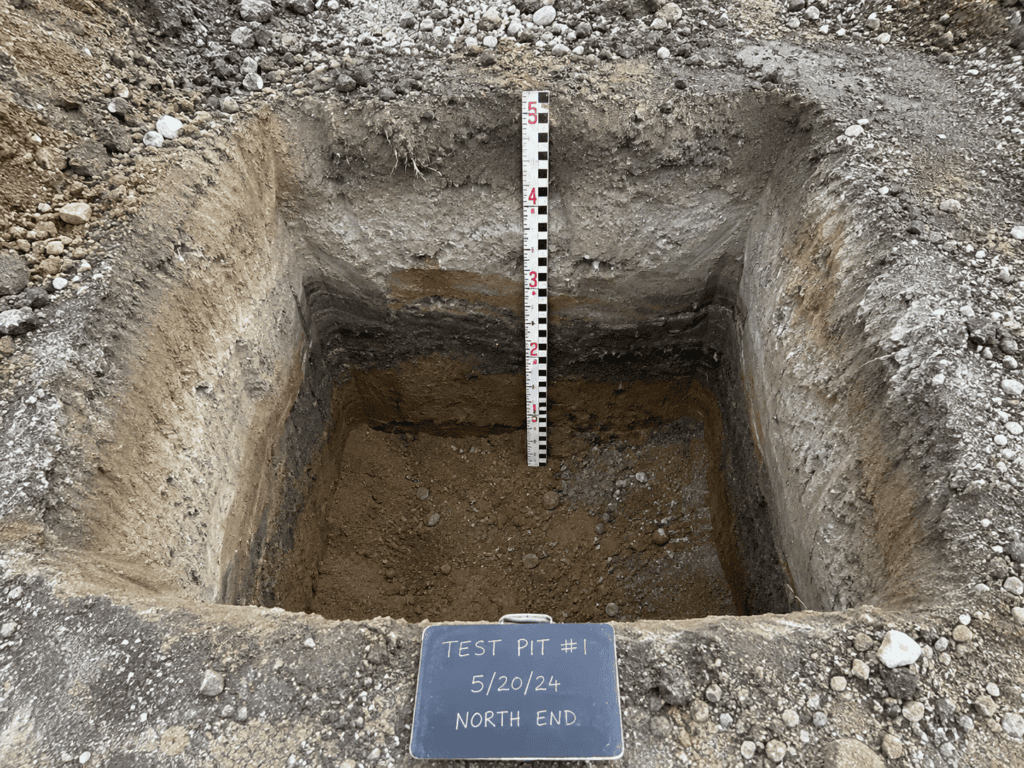
1. Environmental Site Investigation
The process begins with identifying the extent of contamination.
Environmental professionals collect soil samples throughout the site and submit them to certified laboratories for analysis.
Testing helps determine:
- Types of contaminants
- Concentration levels
- Horizontal and vertical limits
- Groundwater impacts
- Potential vapor intrusion concerns
- Disposal requirements
Many projects begin after a Phase I or Phase II Environmental Site Assessment identifies recognized environmental conditions.

2. Develop a Remediation Plan
Once laboratory results are complete, environmental consultants develop a remediation strategy.
The plan may include:
- Excavation limits
- Soil handling procedures
- Dust control measures
- Erosion controls
- Trucking routes
- Waste characterization
- Disposal facility selection
- Confirmation sampling requirements
- Site restoration plans
In Massachusetts, cleanup activities are often performed under the oversight of a Licensed Site Professional (LSP) and must comply with applicable environmental regulations. (Massachusetts Government)
3. Prepare the Site
Before excavation begins, crews prepare the work area to prevent contamination from spreading.
Preparation often includes:
- Utility locating
- Temporary fencing
- Stabilized construction entrances
- Stormwater controls
- Dust suppression
- Equipment decontamination areas
- Stockpile containment
- Traffic control
Proper preparation protects workers, neighboring properties, and surrounding waterways.

4. Excavate Contaminated Soil
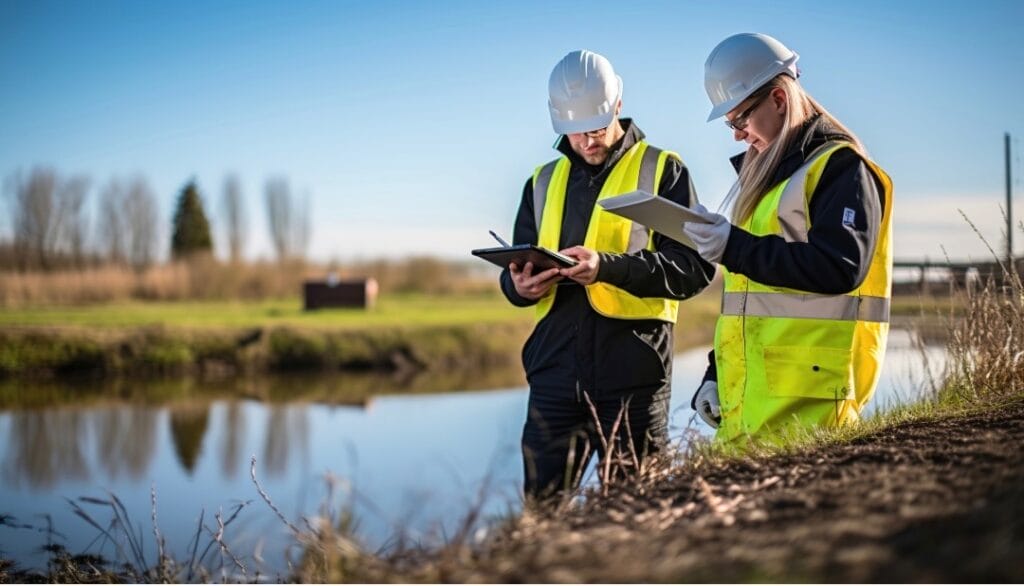
Once preparation is complete, contaminated soil is carefully excavated using excavators and other heavy equipment.
Excavation follows the limits established by environmental professionals while minimizing disturbance to clean soils.
Depending on the project, excavation may involve:
- Building foundations
- Parking lots
- Utility corridors
- Underground storage tank removals
- Brownfield redevelopment
- Former industrial facilities
- Commercial properties
- Residential developments
Environmental consultants often perform field observations and collect confirmation samples throughout excavation.
5. Segregate and Manage Soil
Not every load of excavated soil requires disposal as contaminated material.
During excavation, soils may be separated into:
- Clean fill
- Reusable material
- Regulated contaminated soil
- Hazardous waste (when applicable)
Proper segregation helps reduce disposal costs while ensuring environmental compliance.

6. Transportation and Disposal
Contaminated soils are transported by licensed haulers to approved treatment, recycling, or disposal facilities.
Depending on contamination levels, soils may be:
- Treated
- Recycled
- Stabilized
- Thermally treated
- Disposed of at licensed landfills
Transportation documentation, waste profiles, manifests, and disposal records help maintain regulatory compliance throughout the project. EPA and MassDEP requirements govern how contaminated soils are characterized, transported, treated, and disposed of. (Massachusetts Government)
7. Confirmation Sampling
After excavation is complete, environmental consultants collect additional soil samples from the excavation floor and sidewalls.
These samples confirm that contaminated material has been removed to the required cleanup levels.
If contamination remains, additional excavation may be necessary before the project can proceed.

8. Site Restoration
Once environmental goals have been achieved, the site can be restored.
Restoration may include:
- Imported structural fill
- Compaction
- Rough grading
- Fine grading
- Utility installation
- Foundation preparation
- Pavement restoration
- Landscaping
- Erosion stabilization
Proper restoration prepares the property for future construction or redevelopment.
Why Contaminated Soil Removal is Important
Removing contaminated soil provides numerous benefits:
- Protects human health
- Prevents groundwater contamination
- Reduces environmental liability
- Supports redevelopment
- Meets environmental regulations
- Protects nearby wetlands and waterways
- Improves property value
- Reduces future cleanup costs
Prompt remediation also minimizes the risk of contaminants spreading beyond the original source area. (US EPA)

Challenges During Soil Remediation

Every contaminated site presents unique conditions.
Common challenges include:
- Unknown contamination limits
- High groundwater
- Wetland proximity
- Existing structures
- Active businesses
- Utility conflicts
- Tight urban sites
- Weather delays
- Unexpected buried debris
Experienced excavation contractors work closely with environmental consultants to safely adapt to changing site conditions.
Environmental Remediation Is More Than Excavation
Although excavation is one of the most common remediation methods, it is not always the only solution.
Depending on site conditions, remediation may also include:
- Soil stabilization
- Soil vapor extraction
- Bioremediation
- Chemical treatment
- Groundwater remediation
- Capping
- In-place containment
- Sub-slab depressurization systems
- Long-term environmental monitoring
The most appropriate approach depends on the contaminant type, exposure risk, regulatory requirements, and redevelopment goals. (US EPA)
During the hot-spot removal phase of a brownfield cleanup, traditional digging risks rupturing unidentified underground utilities. Utilizing non-destructive vacuum excavation services allows contractors to safely uncover legacy pipelines and tanks without causing secondary environmental spills.

Why Choose Construction Solutions, Inc.

Construction Solutions, Inc. works alongside environmental consultants, engineers, developers, municipalities, and commercial property owners to perform safe, efficient contaminated soil excavation projects.
Our environmental remediation capabilities include:
- Contaminated soil excavation
- Site preparation
- Demolition
- Utility excavation
- Excavation support for Licensed Site Professionals
- Transportation coordination
- Site restoration
- Erosion and sediment control
- Sub-slab depressurization system installation
- Commercial excavation and site development
We understand that environmental projects require careful coordination, regulatory compliance, and clear communication from start to finish.
Frequently Asked Questions
The only reliable method is environmental sampling performed by qualified professionals. Laboratory testing identifies contaminants and determines whether cleanup is necessary.
Yes. Depending on the contaminant and site conditions, treatment technologies such as bioremediation, soil vapor extraction, stabilization, or chemical treatment may be used instead of excavation. (US EPA)
Project duration depends on the size of the affected area, contaminant type, weather, permitting, and laboratory turnaround times. Small projects may take a few days, while large commercial remediation projects can require several weeks or months.
Often, yes. With proper planning and coordination, remediation can frequently be integrated into the overall construction schedule.
No. Disposal depends on laboratory analysis and waste characterization. Many contaminated soils can be treated, recycled, or disposed of at facilities other than hazardous waste landfills if they meet applicable regulatory requirements. (Massachusetts Government)
Serving Massachusetts, Southern New Hampshire & Southern Maine
Construction Solutions, Inc. provides contaminated soil excavation, environmental remediation support, commercial excavation, and site development services throughout Massachusetts, Southern New Hampshire, and Southern Maine. Whether contamination is discovered during a redevelopment project, utility installation, or emergency response, our team has the equipment and experience to help move your project forward safely and efficiently.