

Environmental Remediation Resources
Understanding Environmental Remediation, Site Cleanup & Redevelopment
Environmental conditions can have a significant impact on property development, construction planning, and the future use of a site. Contaminated soil, historical industrial activities, petroleum releases, hazardous materials, or other environmental concerns can create additional considerations before excavation and construction can begin.
The Construction Solutions, Inc. Environmental Remediation Resource Center provides practical information to help property owners, developers, contractors, and project teams better understand environmental cleanup, contaminated soil, brownfield redevelopment, sub-slab systems, and the construction considerations that can accompany environmentally impacted properties.
Our resources are focused on the practical connection between environmental conditions and site development, with information relevant to projects throughout Massachusetts, Southern New Hampshire, and Southern Maine.
Understanding Environmental Remediation
Environmental remediation is not the same for every property. The appropriate approach depends on the site’s history, the type and extent of contamination, environmental investigations, regulatory requirements, proposed future use, and the recommendations of qualified environmental professionals.
Remediation may involve investigation, contaminated soil removal, material management, environmental controls, site restoration, or other measures designed to address identified environmental conditions.
For property owners and development teams, understanding the process early can help identify potential impacts to excavation, construction scheduling, site access, material handling, and overall project planning.
This section will continue to grow as we add resources addressing the environmental and construction considerations associated with contaminated and previously developed properties.
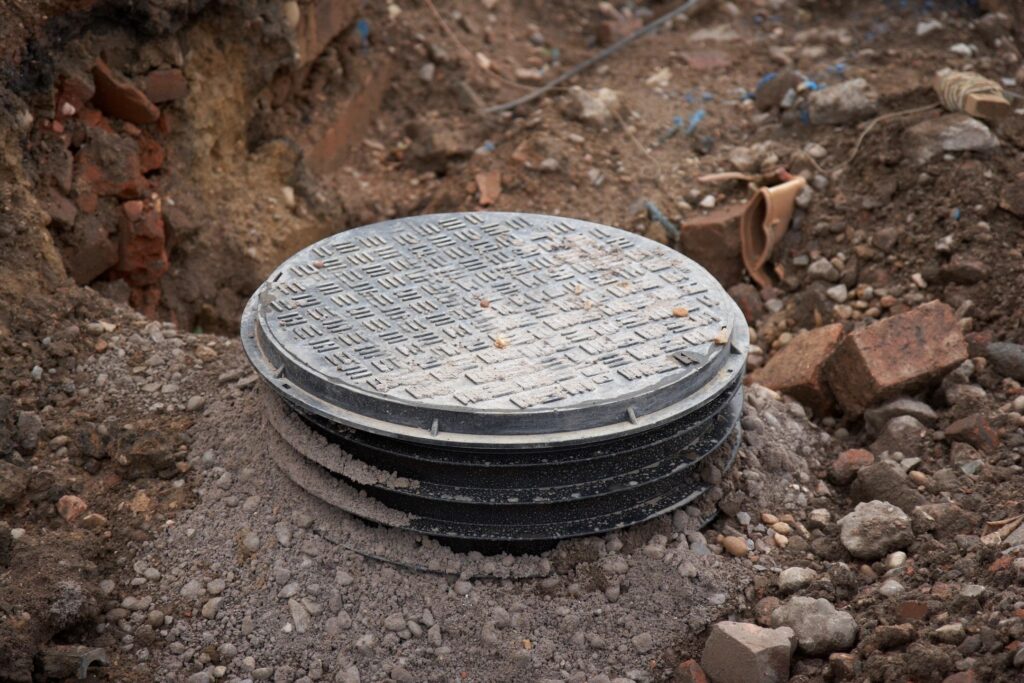
Contaminated Soil & Environmental Cleanup

Contaminated soil can become an important consideration when preparing a property for construction or redevelopment. Soil that has been affected by petroleum, hazardous materials, historical site activities, or other contaminants may require additional evaluation and specific handling before it can be removed, transported, disposed of, or potentially reused.
Understanding the contaminated soil removal process can help property owners and project teams better anticipate the relationship between environmental requirements and excavation work. Planning ahead can also help reduce unexpected disruptions when environmental conditions affect an active construction site.
Brownfield Cleanup & Redevelopment
Previously developed properties can present opportunities for redevelopment while also carrying environmental considerations related to their former uses. Brownfield properties may require environmental investigation, cleanup, soil management, or other measures before redevelopment can proceed.
Understanding the relationship between environmental cleanup and redevelopment is especially important for property owners, developers, investors, and construction teams evaluating commercial or previously developed sites. Environmental conditions can influence project planning, excavation, material management, scheduling, and the overall process of preparing a property for its next use.
Featured Resource
Explore the environmental and construction considerations associated with cleaning up and preparing brownfield properties for redevelopment.
Future resources in this section will expand on brownfield site development, environmental due diligence, redevelopment planning, and the transition from an impacted property to a usable development site.
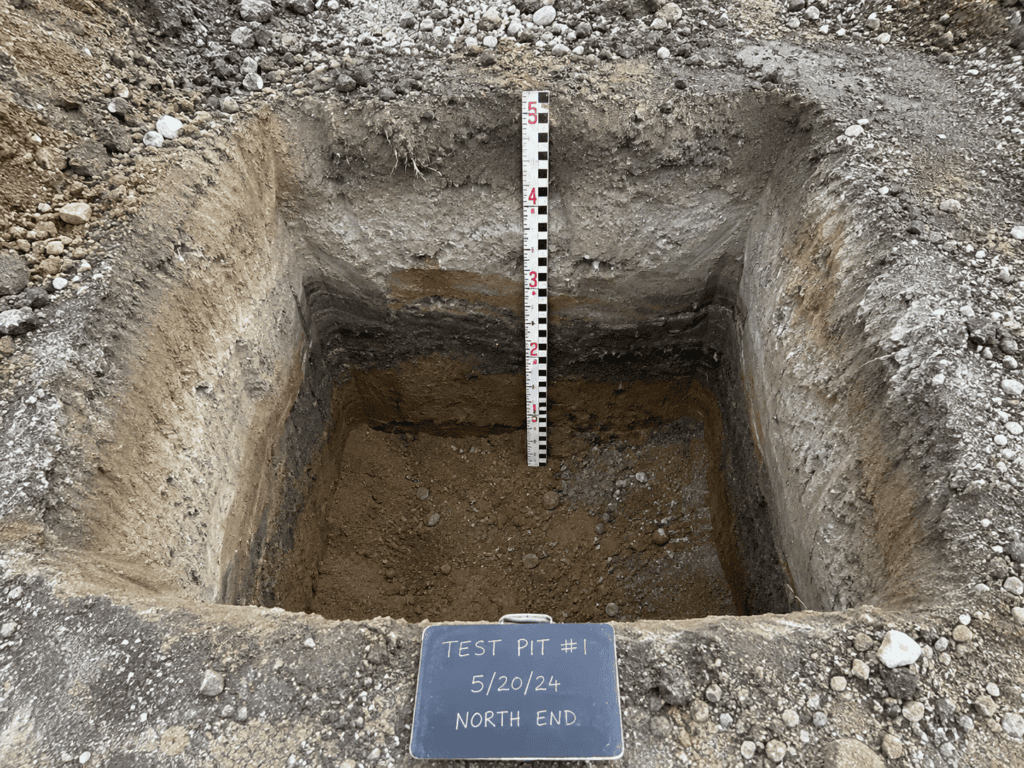
Sub-Slab Depressurization & Environmental Controls

Some environmental conditions require controls that extend beyond excavation and soil removal. Sub-slab depressurization systems, for example, may be used in certain buildings to address vapor-related environmental concerns identified through appropriate environmental investigation and assessment.
Understanding how these systems work and why they may be incorporated into a property can help owners and construction teams better understand the relationship between environmental conditions and building improvements. The appropriate system and installation requirements depend on the specific property conditions and recommendations of the project’s qualified environmental professionals.
Featured Resource
Sub-Slab Depressurization Systems
Learn how sub-slab depressurization systems can be incorporated into certain properties as part of an environmental management or remediation strategy.
Read the Sub-Slab Depressurization Guide →
Massachusetts Environmental Cleanup & MassDEP
Environmental cleanup projects in Massachusetts can involve specific regulatory requirements, terminology, and procedures.
Property owners and developers may encounter terms such as the Massachusetts Contingency Plan, Release Tracking Numbers, environmental site assessments, response actions, and other components of the Massachusetts environmental cleanup framework.
Understanding the basic process can help property owners and development teams recognize important questions early and better coordinate environmental planning with excavation and construction activities.
Construction Solutions, Inc. is continuing to expand this section with Massachusetts-focused resources covering environmental cleanup, MassDEP requirements, contaminated properties, brownfield redevelopment, and the construction considerations associated with environmental remediation.

Environmental Remediation & Excavation

Environmental remediation and excavation often intersect when contaminated soil or other impacted materials must be addressed as part of a construction or redevelopment project.
Environmental excavation can involve considerably more planning than conventional earthwork. Project teams may need to consider soil characterization, excavation limits, material handling, temporary storage, transportation, disposal requirements, environmental controls, site safety, and restoration.
The excavation contractor’s role is therefore an important part of coordinating environmental work with the broader construction project. Environmental professionals may establish the remediation requirements, while the construction team performs the excavation and site work necessary to carry out the approved project plan.
For additional information about CSI’s excavation capabilities, visit our Commercial Excavation & Site Work service page.
Environmental Remediation & Commercial Development
Environmental considerations can become particularly important when developing or redeveloping commercial property.
Before construction begins, property owners and developers may need to consider the property’s historical use, previous environmental investigations, known releases, soil conditions, regulatory requirements, proposed site improvements, and how remediation activities may affect the construction schedule.
Environmental planning can also intersect with foundation excavation, utility installation, grading, drainage, demolition, paving, and other site-development activities.
Understanding these relationships early allows environmental professionals, engineers, contractors, property owners, and developers to coordinate their work more effectively and identify potential construction impacts before they become field problems.

Planning for Environmental Remediation

Environmental remediation projects frequently involve multiple professionals and stages of work. Environmental consultants, engineers, property owners, developers, regulators, contractors, laboratories, disposal facilities, and other specialists may each have a role depending on the project.
Early planning can help answer important questions such as:
- What environmental conditions are known or suspected?
- Has the property been environmentally assessed?
- Is additional investigation necessary?
- What type of remediation may be required?
- Will contaminated soil need to be excavated?
- How will impacted materials be handled?
- What regulatory requirements apply?
- How could remediation affect site access and construction?
- How will environmental work be coordinated with the construction schedule?
- What restoration will be required after remediation?
The earlier these questions are addressed, the easier it can be to incorporate environmental considerations into the overall development and construction plan.
Frequently Asked Questions
Environmental remediation is the process of addressing contamination or other environmental conditions associated with a property. Depending on the site, remediation may involve investigation, excavation, removal, treatment, containment, monitoring, environmental controls, or site restoration.
No. Excavation is one potential remediation activity, but the appropriate approach depends on the type and extent of contamination, site conditions, regulatory requirements, and the remediation strategy developed for the property.
Potentially impacted soil should be evaluated and managed according to the project’s environmental requirements. Depending on the circumstances, this may involve characterization, controlled excavation, appropriate material handling, transportation, disposal, and additional remediation.
A brownfield is generally a previously developed property where actual or potential contamination or hazardous materials may complicate redevelopment. Brownfield redevelopment can require coordination between environmental professionals, property owners, developers, engineers, contractors, and regulatory agencies.
A sub-slab depressurization system is an environmental control system that can be used in certain buildings to reduce the potential for soil vapor to enter occupied spaces. Whether such a system is appropriate depends on site-specific environmental conditions and professional recommendations.
Ideally, environmental conditions should be evaluated as early as possible during property acquisition, due diligence, planning, and design. Early identification can help project teams understand potential remediation requirements and their effects on excavation, construction scheduling, and development costs.
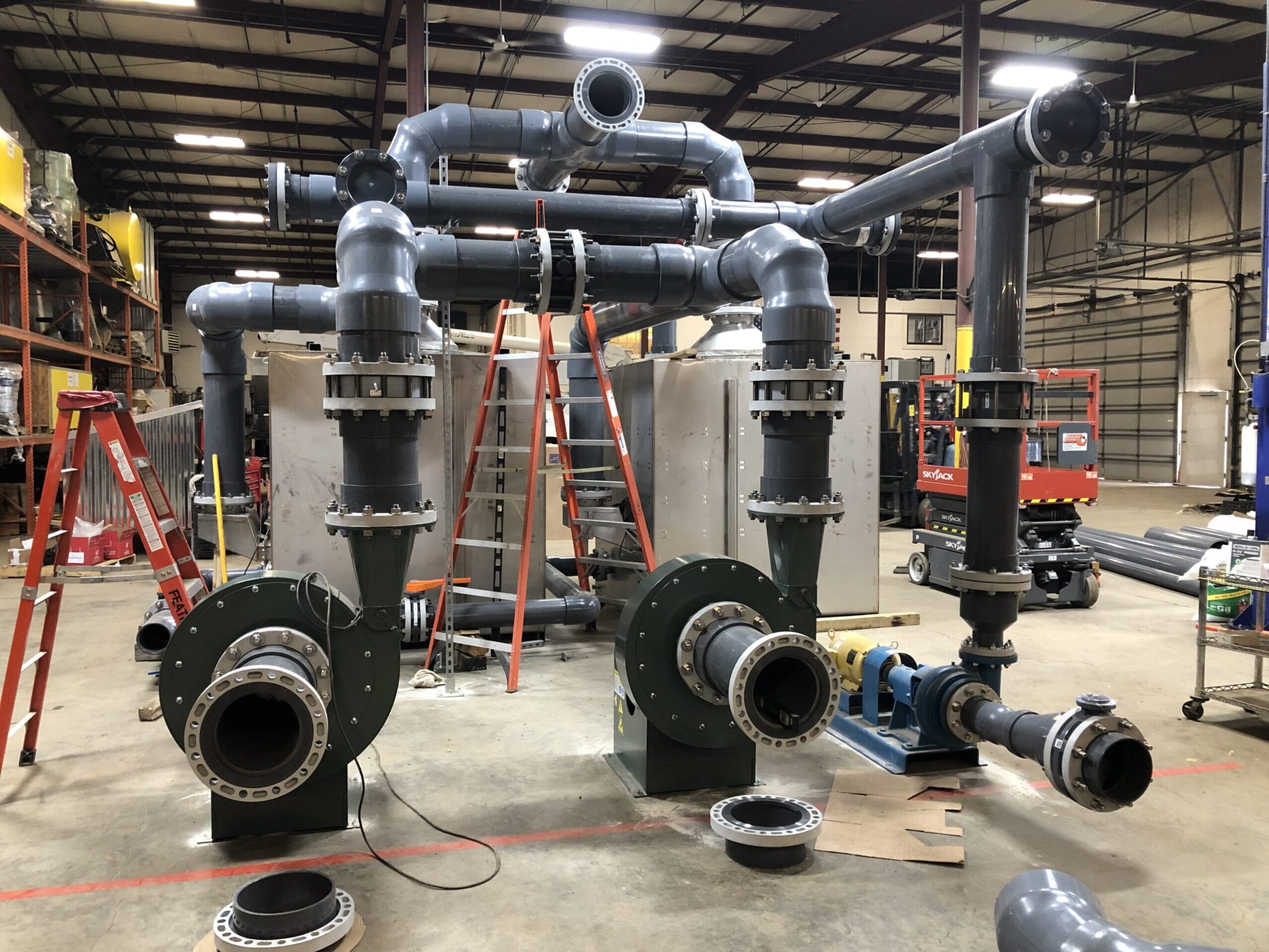


Environmental Remediation & Site Development Services
Our resource center is designed to provide educational information—not to replace site-specific environmental, engineering, legal, or regulatory advice.
When environmental conditions intersect with excavation and site development, coordination between the environmental and construction teams is critical. Construction Solutions, Inc. provides excavation and site-development capabilities that can support appropriate environmental remediation and redevelopment projects in coordination with the project’s environmental professionals.
If your project involves contaminated soil, brownfield redevelopment, environmental cleanup, or excavation associated with an environmentally impacted property, learn more about our Environmental Remediation Services or Commercial Excavation & Site Work.
Have a project to discuss?
Contact Construction Solutions, Inc. to learn more about your project requirements
Serving Massachusetts, Southern New Hampshire & Southern Maine
Construction Solutions, Inc. provides excavation, site development, and related construction services throughout Massachusetts, Southern New Hampshire, and Southern Maine.
Our environmental remediation resources are intended to help property owners, developers, contractors, and project teams better understand the environmental and construction considerations that can affect properties throughout New England.