
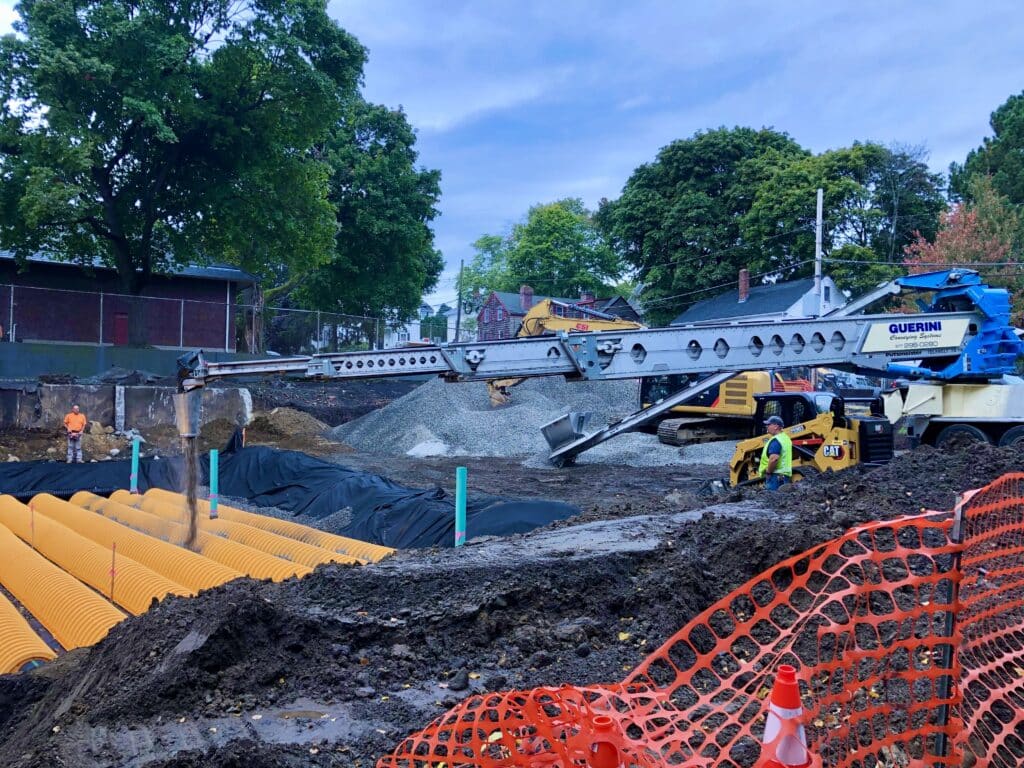
Commercial Excavation Resources & Expert Resources
Commercial construction projects require careful planning, experienced contractors, and dependable site preparation to keep projects moving safely and efficiently.
Our Commercial Excavation Resources Center was created to help developers, property managers, general contractors, and commercial property owners better understand the excavation and site preparation processes involved in successful construction projects.
From utility coordination and drainage planning to excavation safety and site development strategies, these resources provide valuable insights for commercial construction projects across Massachusetts and surrounding areas.




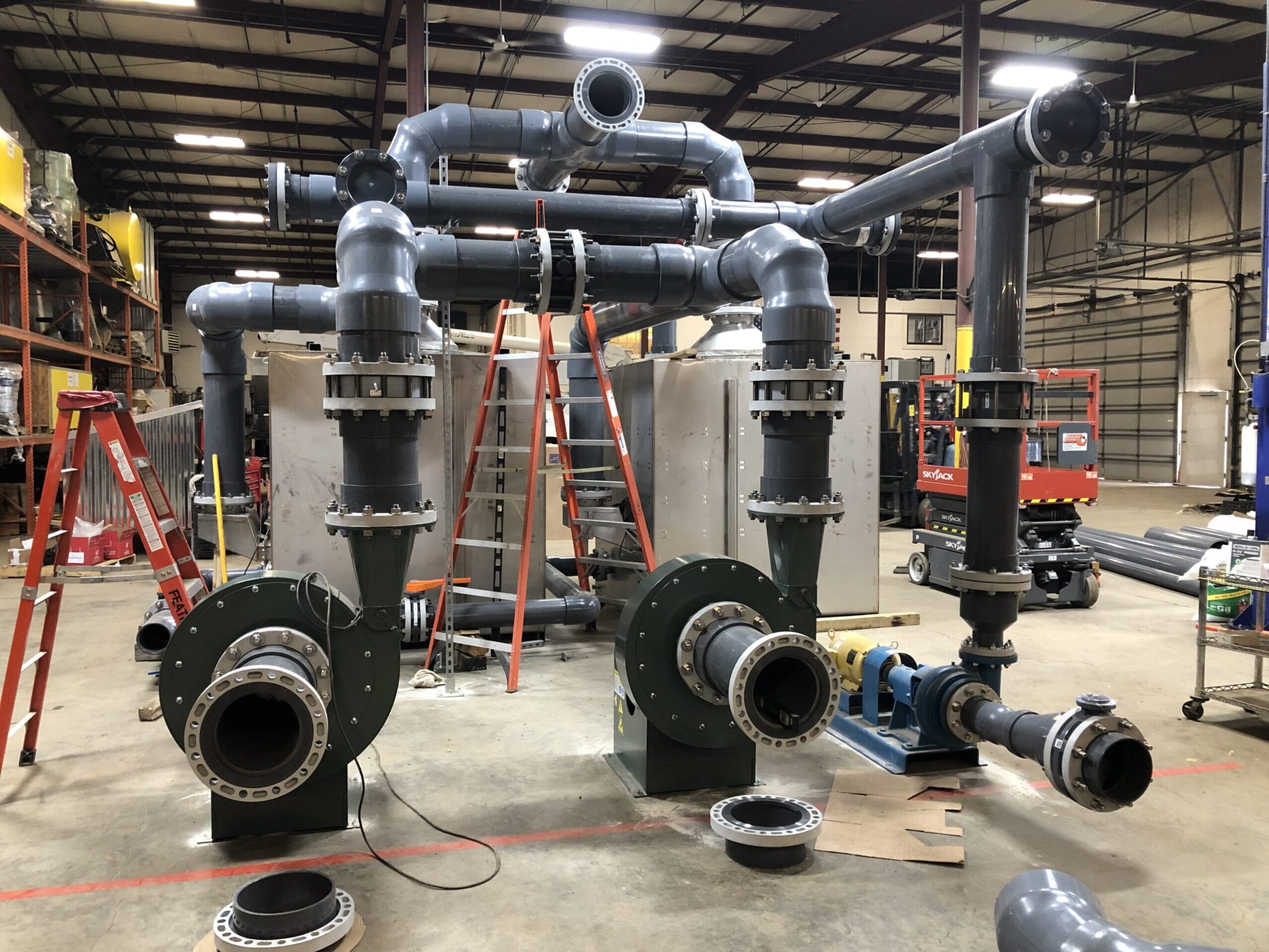
What is involved in Commercial Site Work
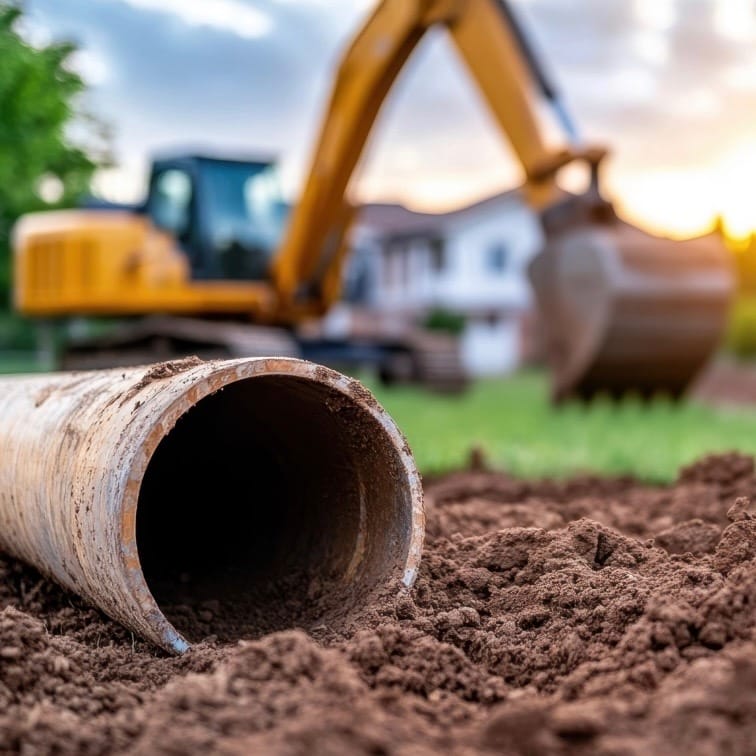
Commercial construction often begins long before foundations are poured or structures are built.
Proper excavation and site preparation are essential for maintaining project timelines, protecting infrastructure, and reducing costly delays.
Commercial site work involves:
- Excavation, site clearing and preparation
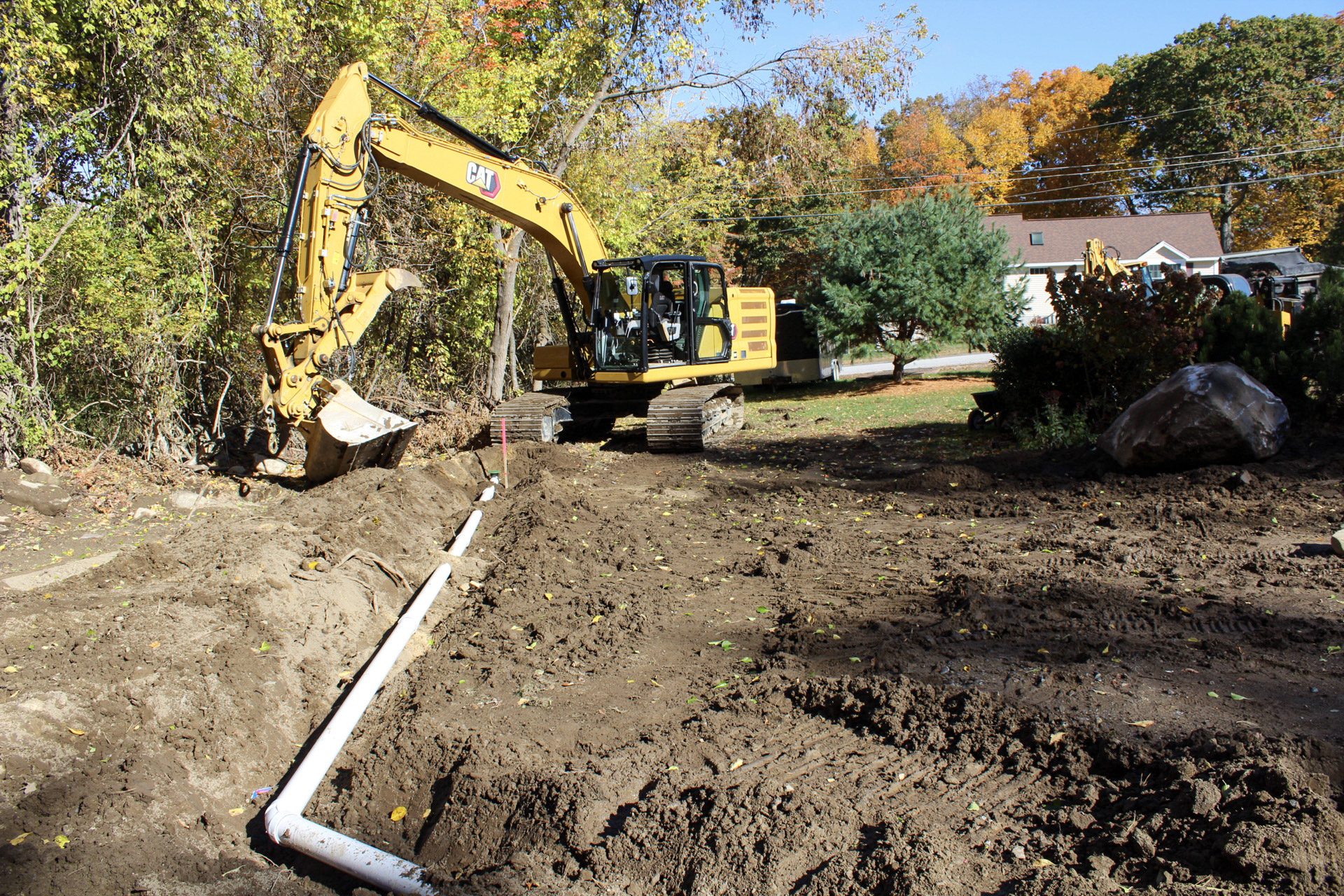
- Utility trenching and installation
- Drainage and stormwater management
- Grading and land preparation
- Foundation excavation
- Vacuum and hydro excavation
- Environmental Remediation
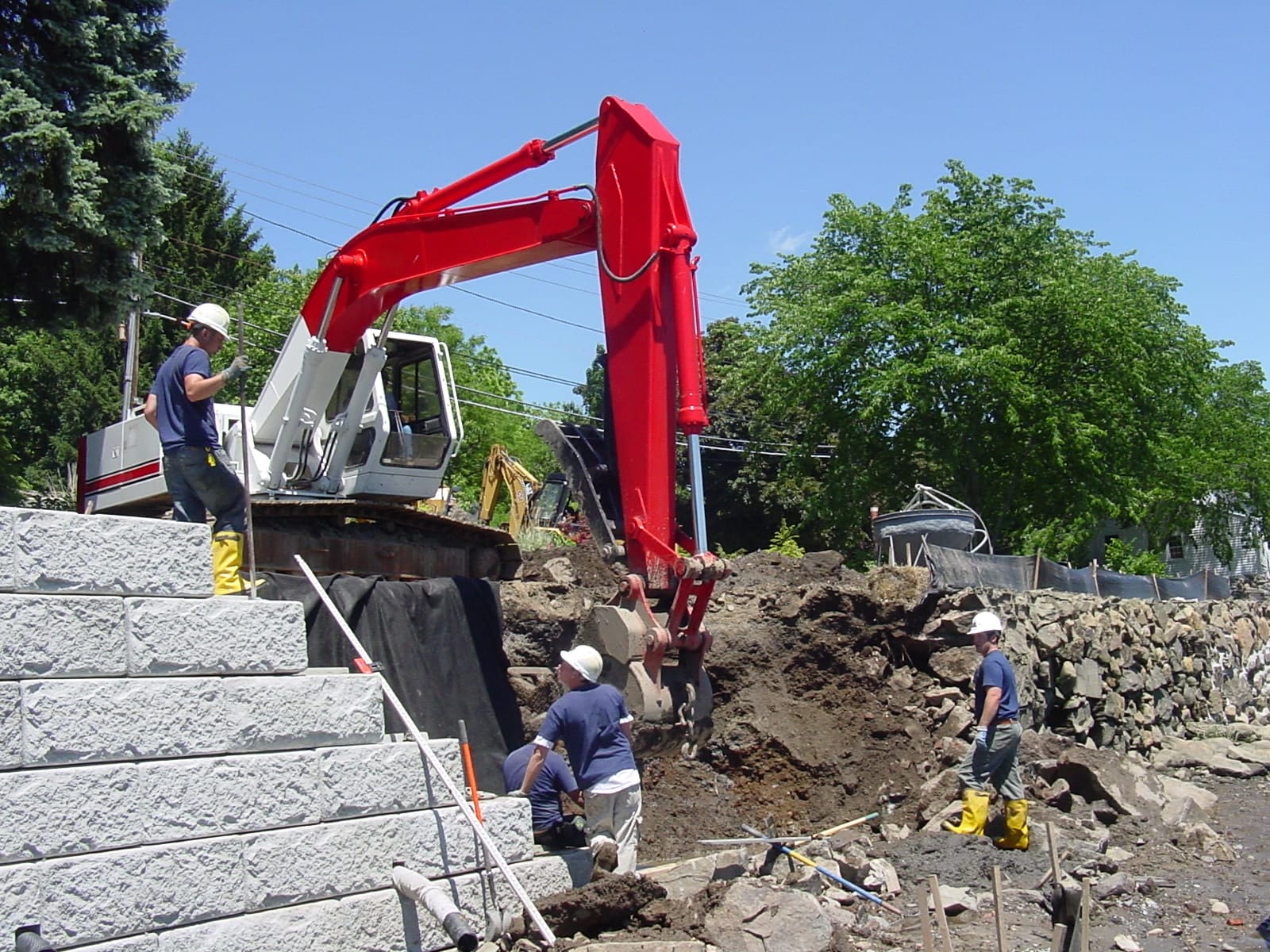
- Excavation near existing structures

Excavation Challenges for Commercial Properties in Massachusetts
Commercial excavation projects throughout Massachusetts and Southern New Hampshire frequently involve complex site conditions and logistical challenges that require experienced excavation professionals.
Common commercial excavation challenges include:
- Dense underground utility infrastructure
- Tight project schedules
- Limited-access job sites
- Stormwater management requirements
- Existing structures and active facilities
- Soil stability and drainage concerns
- Frost depth and seasonal weather conditions

Older commercial properties and urban environments often require specialized excavation methods to safely work around utilities, pavement, and occupied buildings while minimizing disruption to surrounding operations.
Utility Trenching & Underground Infrastructure
Utility installation is one of the most critical components of commercial site development. Improper trenching or utility excavation can create major delays, safety hazards, and costly repairs.
Commercial utility trenching services support may include:
- Water service installations
- Sewer line excavation
- Electrical conduit trenching
- Gas line preparation
- Communication and data infrastructure
- Underground utility exposure
For sensitive excavation areas, vacuum excavation and hydro excavation methods may be used to safely expose utilities while minimizing damage risk.
Drainage & Stormwater Management for Commercial Sites
Detailed planing and execution of excavation and grading solutions designed to improve water management on commercial properties.
Proper drainage planning is essential for protecting commercial buildings, parking areas, foundations, and infrastructure from water damage and erosion.
Commercial drainage services may include:
- Site grading and slope correction
- Stormwater drainage systems
- Retention and runoff management
- Foundation drainage solutions
- French drain installation
- Surface water redirection
Addressing drainage concerns early in the construction process helps reduce long-term maintenance costs and structural issues.

Safe Excavation Near Existing Commercial Structures
Many commercial projects require excavation around active buildings, parking lots, utility corridors, or occupied facilities. Excavating near existing structures requires careful planning and precision to avoid structural damage and service disruptions.
Controlled excavation needs to be done for:
- Commercial additions
- Utility upgrades
- Foundation access
- Drainage improvements
- Infrastructure repairs

Commercial Excavation Frequently Asked Questions
Commercial site work typically includes land clearing, demolition, excavation, grading, drainage installation, underground utility work, erosion control, and site preparation for foundations or paving. Proper site work ensures the property is stable, accessible, and ready for vertical construction while helping prevent delays later in the project. Our in-depth resource guide, “Understanding Site Work & General Construction In New England,” can walk you through the full site-work process.
Proper grading directs stormwater away from buildings, parking lots, and pedestrian areas. Poor grading can lead to flooding, pavement failure, foundation settlement, erosion, and drainage complaints. Commercial grading plans are designed to improve water management, site stability, and long-term property performance. We offer a resource hub page for foundations and erosion control to help property owners, contractors and developers address common problems.
Excavation refers specifically to removing or relocating soil, rock, or materials from a site. Site development or site work, is broader and includes excavation along with utility installation, grading, drainage systems, access roads, paving preparation, and infrastructure improvements needed to prepare a property for construction or redevelopment.
Professional excavation contractors use utility locating services, site mapping, test pits, and vacuum excavation methods to safely expose underground utilities before digging. Careful planning and non-destructive excavation techniques help reduce the risk of utility strikes, service interruptions, and costly repairs. We offer a resource hub for vacuum excavation methods for contractors, property owners, and developers.
Permit requirements vary depending on the municipality and project scope, but commercial excavation projects often require earthwork permits, utility permits, drainage approvals, environmental compliance documentation, and erosion control plans. Projects near wetlands or public infrastructure may require additional state or local approvals. For a more detailed explanation, view our resource, “Commercial Building Permits,”
Excavation creates stable building pads, utility corridors, stormwater systems, and proper site elevations needed to support commercial structures, pavement systems, and infrastructure.
Excavation and site preparation are critical early phases of construction. Delays related to weather, unsuitable soil conditions, utility conflicts, permitting, or unexpected underground obstructions can affect the overall schedule. Early planning, site investigation, and coordination between contractors help keep projects moving efficiently.
Commercial excavation projects may encounter unstable soils, excessive groundwater, ledge, buried debris, unsuitable fill, or poor compaction conditions. Soil testing and geotechnical evaluations help identify these issues early so contractors can develop safe and cost-effective solutions. Explore our construction safety resources.
Hydro excavation and vacuum excavation are commonly used when working around sensitive underground infrastructure such as gas lines, electrical systems, communication lines, and water mains. These non-destructive methods improve safety, reduce surface disruption, and help expose utilities with greater precision than mechanical digging. You can learn more about Hydro Excavation with our guide, “Vacuum Excavation in New England: The Complete Guide to Safe, Precise Digging.”
Commercial site work projects often use silt fencing, stabilized construction entrances, sediment basins, erosion control blankets, drainage protection, and stormwater management practices to help control runoff and protect nearby properties, waterways, and municipal systems during construction. For a better understanding on how these practices are utilized to project your build, view our guide, “Erosion Control & Storm Water Solutions.“
Project size, weather, permitting, soil conditions, underground utilities, environmental requirements, and site accessibility all impact excavation schedules and overall construction timelines. Each timeline will be project specific. There unfortunately isn’t a on size fits all due to site conditions, town and state coordination for permitting, and weather. A good General Contractor will be able to give you realistic timelines.
Stormwater systems help control runoff, reduce flooding risks, prevent erosion, and maintain compliance with local environmental regulations on commercial projects. We created a resource hub for foundations and storm water management, be sure to check it out for more detailed information.
Well-executed excavation and grading improve drainage, pavement stability, and structural performance, helping reduce future repairs related to settlement, erosion, or water damage.
Commercial excavation projects require trench protection, utility coordination, equipment safety procedures, traffic management, and OSHA-compliant excavation practices to maintain a safe work environment. We have created a resource hub specifically for OSHA safety requirements, best practices and what you should look for. Safety is of the upmost importance for workers and property owners. Make sure you check out our safety related information to answer all your specific questions.
Detailed excavation planning helps coordinate equipment, utility installation, drainage systems, and grading sequences to reduce delays and keep commercial construction projects on schedule.
Developers and property managers should evaluate excavation contractors based on experience, safety practices, equipment capabilities, licensing, insurance coverage, scheduling reliability, and familiarity with commercial construction requirements. Contractors with experience coordinating alongside engineers, utility companies, and general contractors can help streamline complex projects.
Need Commercial Excavation or Site Work Services?
Contact Construction Solutions Inc., today
Phone: 978-388-7900
Serving Massachusetts, Southern New Hampshire & Southern Maine
Massachusetts – Essex County, Middlesex County, Suffolk County, Norfolk County
New Hampshire – Rockingham County, Hillsboro County
Maine – York County