
Table of contents
- Introduction
- What Is Vacuum Excavation?
- How Vacuum Excavation Works
- Benefits of Vacuum Excavation
- Common Applications in New England
- Vacuum Excavation vs. Traditional Digging
- Why It’s Ideal for Massachusetts, Southern NH & Southern ME
- When to Choose Hydro vs. Air Excavation
- Hiring the Right Vacuum Excavation Contractor
- The Bottom Line
- How Construction Solutions Does It
- Vacuum Excavation Frequently Asked Questions
- Need a Vac Truck?

Introduction

In construction and utility work, accuracy and safety matter just as much as speed. That’s why vacuum excavation—also known as hydro excavation or air excavation—has become a go-to method for both commercial and residential projects across Massachusetts, Southern New Hampshire, and Southern Maine.
Whether you’re installing utilities, exposing buried infrastructure, or working in a congested job site, vacuum excavation offers a cleaner, faster, and safer alternative to traditional digging.
In this guide, we’ll walk you through what it is, how it works, when to use it, and why it’s worth the investment.
What Is Vacuum Excavation?
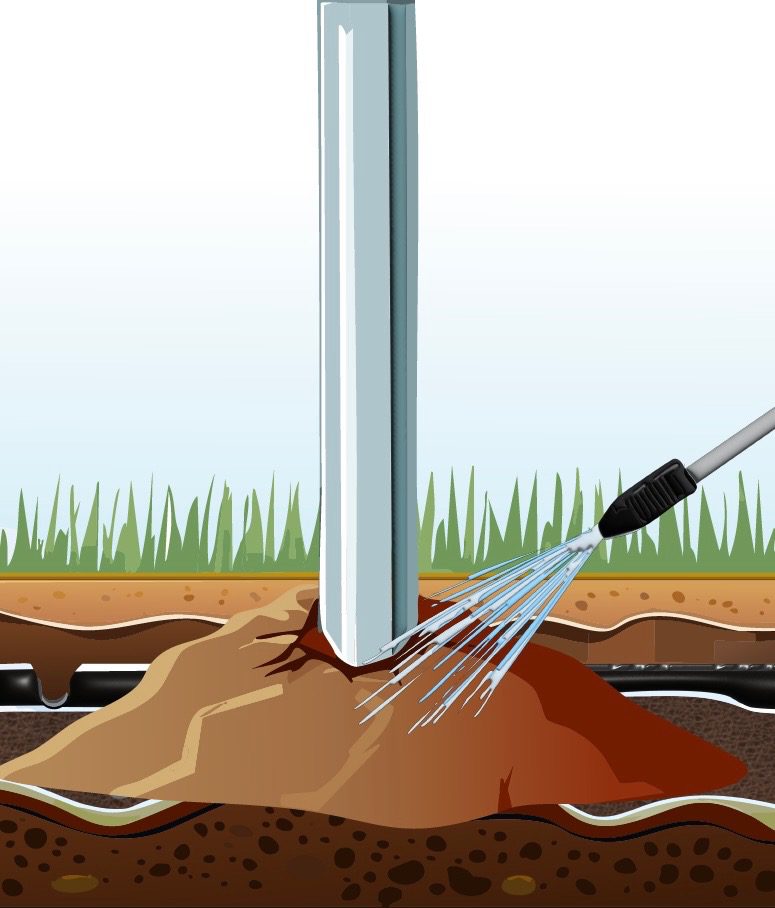
Vacuum excavation is a non-destructive digging method that uses high-pressure air or water to break up soil, while a powerful vacuum removes the loosened material into a debris tank.
There are two main types:
- Hydro Excavation – Uses pressurized water to cut through soil. Ideal for compacted or frozen ground.
- Air Excavation – Uses compressed air to loosen soil while preserving it for backfill. Perfect for dry soils or when minimal water use is preferred.
How Vacuum Excavation Works

- Locate the Dig Area – Using site plans and utility locating services, crews mark the excavation area.
- Pressurized Cutting – Air or water is directed through a wand to break apart the soil.
- Vacuum Removal – A high-powered suction hose removes the soil into the truck’s debris tank.
- Backfill or Disposal – Depending on the method, the soil can be reused (air excavation) or hauled away.
Benefits of Vacuum Excavation
1. Precision Digging
Unlike mechanical excavation, vacuum excavation exposes only the area needed—minimizing disruption to surrounding soil and structures.
2. Safety for Utilities
It’s the safest way to expose gas lines, water pipes, fiber optic cables, and electrical conduits without damaging them.
3. Minimal Environmental Impact
With less soil disturbance, vacuum excavation reduces erosion and environmental disruption.
4. Year-Round Capability
Hydro excavation can work effectively in frozen ground conditions, making it ideal for New England winters.
5. Efficiency
Crews can dig quickly without the risks and delays associated with backhoes or hand digging.

Common Applications in New England

Utility Potholing
Also called daylighting, this involves digging small, precise holes to confirm the location of underground utilities before larger construction begins.
Slot Trenching
Creating narrow trenches for utilities, irrigation, or foundation footings with minimal disruption.
Debris Removal
Vacuum trucks can remove gravel, sand, or contaminated soil from sensitive or hard-to-reach areas.
Subsurface Structure Exposure
Safe access to valve boxes, manholes, septic tanks, and foundations for inspection or repair.
Environmental Remediation
Removing contaminated soil or accessing areas in environmental cleanups without spreading pollutants.
Learn more about Vacuum Excavation
Vacuum Excavation vs. Traditional Digging
| Feature | Vacuum Excavation | Traditional Excavation |
| Utility Safety | Very High | Moderate to Low |
| Precision | Excellent | Variable |
| Speed | Fast for Targeted Excavation | Better for Large-scale Soil Movement |
| Equipment Footprint | Smaller | Larger |
| Soil Reuse | Air (yes) / Hydro (no) | Yes |
Learn more about when to use vacuum excavation vs traditional:
Why It’s Ideal for Massachusetts, Southern NH & Southern ME
Our region presents unique challenges: rocky soils, dense utility networks, and strict safety regulations.
Vacuum excavation meets these challenges head-on by:
- Avoiding costly utility strikes
- Navigating tight job sites in urban centers
- Operating effectively in all weather conditions

When to Choose Hydro vs. Air Excavation

- Hydro Excavation: Frozen ground, compacted soils, fast cutting speed.
- Air Excavation: Dry soil, minimal water access, need to reuse backfill material.
A professional contractor will determine the right method based on soil type, weather, and project goals.
Hiring the Right Vacuum Excavation Contractor
Look for:
- Licensed and insured crews
- Experience with your project type (commercial, municipal, residential)
- Compliance with OSHA safety standards
- Modern, well-maintained equipment

The Bottom Line

Vacuum excavation isn’t just a safer way to dig—it’s often the smartest choice for projects in New England where precision, safety, and efficiency are non-negotiable.
Whether you’re a utility company, municipality, business owner, or homeowner, this method can save you time, money, and headaches.
Learn more about vacuum excavation
Pro Tip: Vacuum Excavation Techniques have the ability to be used instead of hand digging within the 18″ tolerance zone of marked utilities by Dig Safe
Learn more about how vacuum excavation protects utilities
How Construction Solutions Does It
At Construction Solutions, Inc., we offer professional vacuum excavation services throughout Massachusetts, Southern NH, and Southern ME.
Our team has the experience, equipment, and local knowledge to get your job done safely and efficiently.
Learn more:

Vacuum Excavation Frequently Asked Questions
This method is perfect for utility locating, potholing, trenching, foundation exposure, drainage repair, environmental remediation, and municipal infrastructure work. It’s especially valuable in congested or environmentally sensitive areas across Massachusetts, Southern NH, and Southern Maine.
Yes—vacuum excavation is widely recognized as one of the safest excavation techniques available. Because it uses air or water pressure instead of metal tools, it minimizes the risk of striking gas lines, electrical conduits, or fiber optic cables.
Most vacuum excavation systems can safely dig up to 20 feet deep, depending on soil conditions and the size of the debris tank. For deeper or specialized applications, multi-stage setups can extend the reach as needed.
Absolutely. Vacuum excavation is ideal for residential projects that require minimal disruption—such as installing new water lines, repairing septic systems, or preparing foundations. It’s a cleaner, quieter alternative that protects landscaping and existing utilities.
Vacuum excavation performs exceptionally well in New England’s diverse conditions. Hydro excavation works efficiently in frozen winter soil, while air excavation is effective in dry summer months. Many local contractors rely on it year-round for reliability and precision.
Vacuum excavation is one of the most eco-friendly excavation methods available. It minimizes soil disruption, prevents sediment runoff, and reduces the risk of spills or environmental contamination—making it ideal for environmental remediation and stormwater system maintenance.
If your project involves buried utilities, limited access areas, or sensitive infrastructure, vacuum excavation is likely the best choice. The experts at Construction Solutions, Inc. can assess your site and recommend whether air or hydro excavation offers the safest, most cost-effective solution.