
Table of contents

When it comes to any kind of trenching, excavation, or site work, what’s underground is just as important as what you plan to build above it.
Soil conditions can make or break a project’s budget, safety, and timeline — especially in New England, where soil types can change drastically within a single site.
A small amount of dirt may not seem dangerous, but it is. One square yard of dirt can way more than 3,000 pounds. That is the same weight as a small compact car. Injuries and deaths related to trench collapse happen across the US.
From 2003-2017 there were 373 treating deaths. Most workers do not survive trench collapses, which makes preventing them imperative.
1. Different Soils, Different Challenges
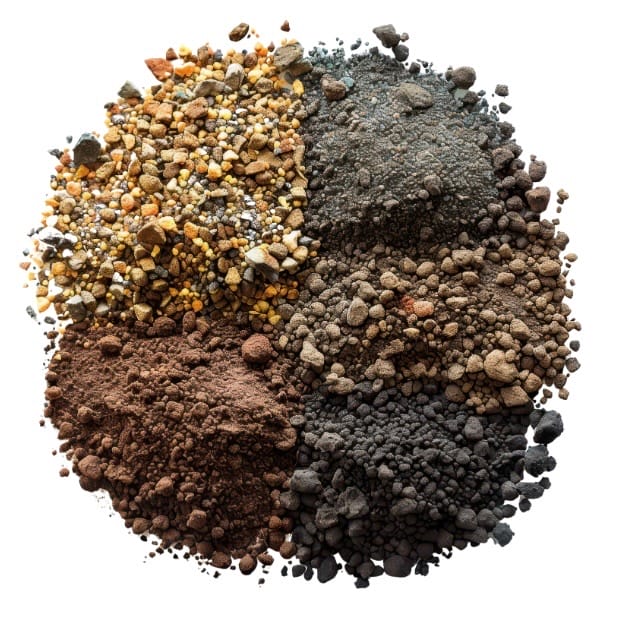
Our region is known for its rocky glacial soils, clay pockets, sandy loam, and even peat in wetland areas.
Each one presents unique considerations:
- Clay Soil: Poor drainage, can hold water, may need extra stabilization.
- Sandy Soil: Drains quickly but can collapse easily during trenching.
- Rocky Soil or Boulder Deposits: Slower digging, may require special equipment.
- Loam: Ideal for drainage and stability — but not every lot is lucky enough!
2. Safety First: Soil Stability in Trenches

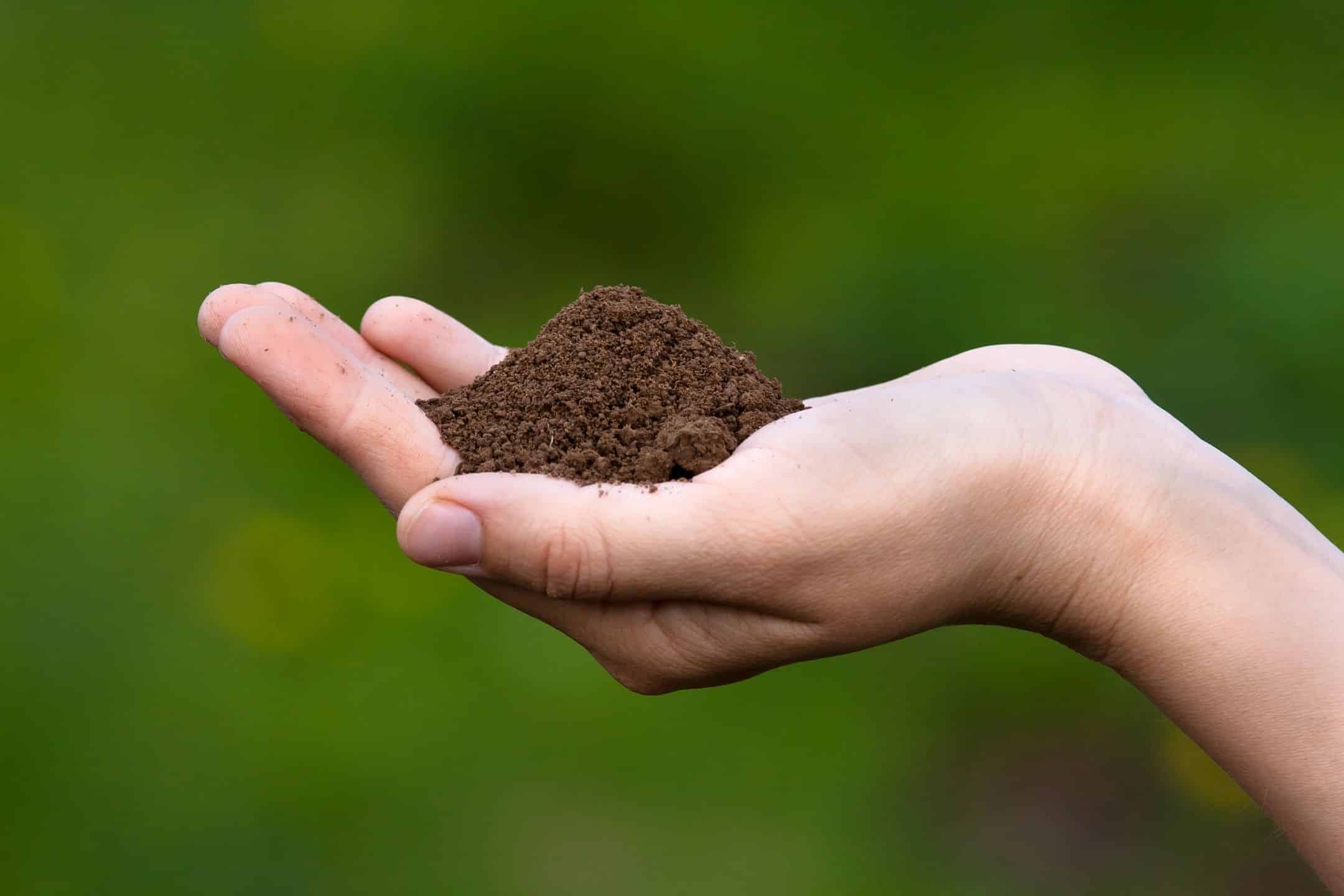
Soil stability is critical for trench safety. Collapsing trench walls are one of the most common job site hazards.
- Type A: Highly cohesive soils – Most stable (e.g., clay, silty clay and sandy clay) — but not if it’s been disturbed.
- Type B: Less cohesive soils – Medium stability (silty clay, angular gravel, sil and sole loams).
- Type C: Least stable (sand, gravel, submerged soil and loamy sand).
- Stable Rock – Most Stable – capable of being excavated with vertical sides
Soil Type dictates the necessary slope and angle for safe trench walls. Proper shoring, benching, or trench boxes are required based on soil type and trench depth.
We always follow strict safety protocols, training, and certification to protect our crews and your property.
3. Trenching Considerations For Best Practices
OSHA Requires a competent person classify the soil and implement the appropriate safety measures based upon the soil type. Workers in trenches with unstable soil are at a higher risk of being trapped or crushed by collapsing soil.
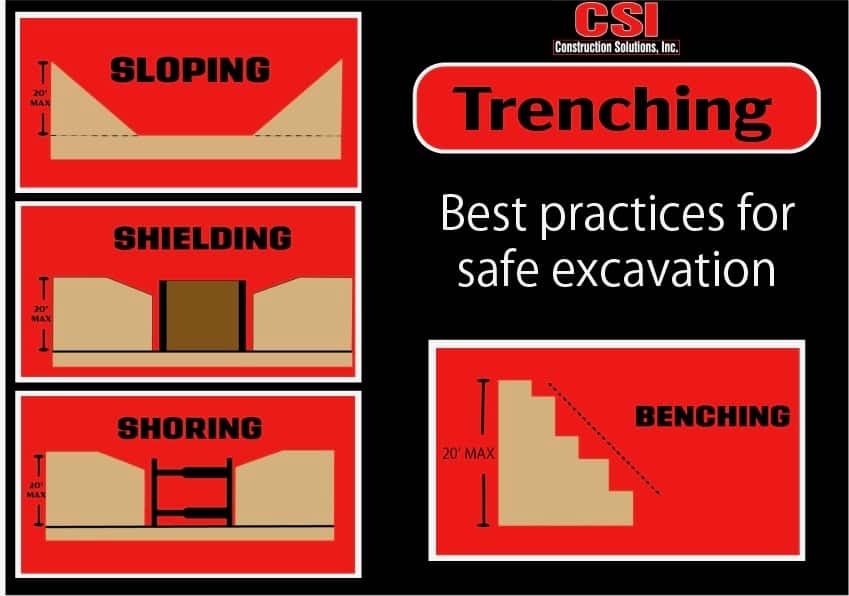
- Shoring – supporting walls within the trench to prevent collapse (trench boxes, sheet piling, hydraulic jacks)
- Slopping – Cutting back the angle of the trench walls to help prevent collapses. The angle is dependent on soil type and depth
- Benching – Creating horizontal levels along the trench walls to help provide stability
- Layered Soils – Understanding while trenching through different layers of soil types, the weakest soil type should determine the overall methodology of shoring up the trench
Pro Tip: For trenches deeper than 20 feet, a professional engineer may need to design the protective system for trenching.
Trusted Resource: OSHA “Trenching and Excavation Safety”
https://www.osha.gov/sites/default/files/publications/osha2226.pdf
4. Additional Hazards
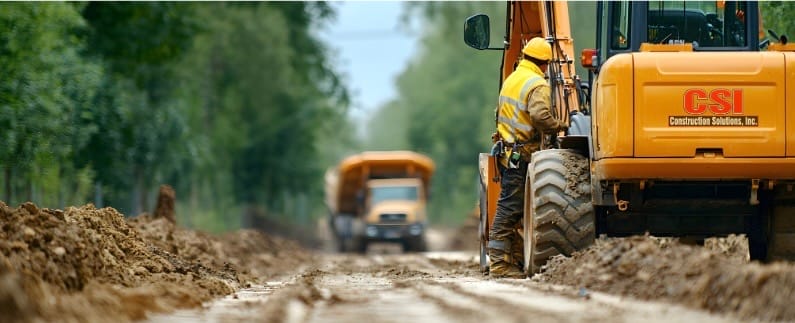
Water – Wet soil is generally less stable than dry soil. Water significantly weakens soil conditions, safety precautions need to be taken with with weather, site drainage and Water Main work
Vibration – Heavy equipment or traffic can cause distrust and destabilize soil, especially with types B and C. That needs to be factored in and accounted for while shoring up a trench
Structured Loads – materials at the edge or above the trench put extra pressure on the earth, including excavated materials and equipment. Never work under a raised load, always keep materials at least two feet away from the trench edges.
5. Drainage & Backfill Considerations
Soil also impacts how trenches should be backfilled:
- Clay soils need special grading and drainage solutions to prevent pooling around foundations or septic systems.
- Sandy soil may require geotextile fabric to prevent erosion.
- Rocky soil might need additional fill to stabilize the trench bottom.
Getting it wrong can lead to settling, cracked pipes, or flooded basements later.

6. How We Assess Soil on Your Site

Before we dig, we:
- Review local soil maps
- Perform test pits or borings if needed
- Identify groundwater levels
- Use vacuum excavation when near sensitive utilities
This helps us choose the safest, most cost-effective excavation methods for your unique lot.
6. What This Means for You
Knowing your soil conditions upfront helps you:
- Budget realistically for excavation and trenching
- Avoid surprise delays or hidden costs
- Make sure your drainage and utilities stay safe for years to come
At Construction Solutions, Inc., we have decades of experience working with all types of New England soils — from rocky North Shore lots to sandy Seacoast properties.
Whether you’re planning a site work or utility trenching, we’ll handle your excavation safely and efficiently.

Your Trusted Local Excavation Contractor
Planning a new project?