

Residential Construction Resources & Expert Insights
Building a home, expanding your living space, or planning a major renovation is one of the biggest investments a homeowner can make.
Construction projects require careful planning, coordination, permitting, and experienced craftsmanship. This resource center brings together practical insights, planning guides, and expert information designed to help property owners make informed decisions while avoiding costly mistakes.
Building or improving a home involves more than hiring a contractor, it requires planning, budgeting, site preparation, permitting, and structural understanding for long-term durability. Explore our residential construction resources and expert insights, project planning tips, and construction best practices from the experienced team at Construction Solutions, Inc.
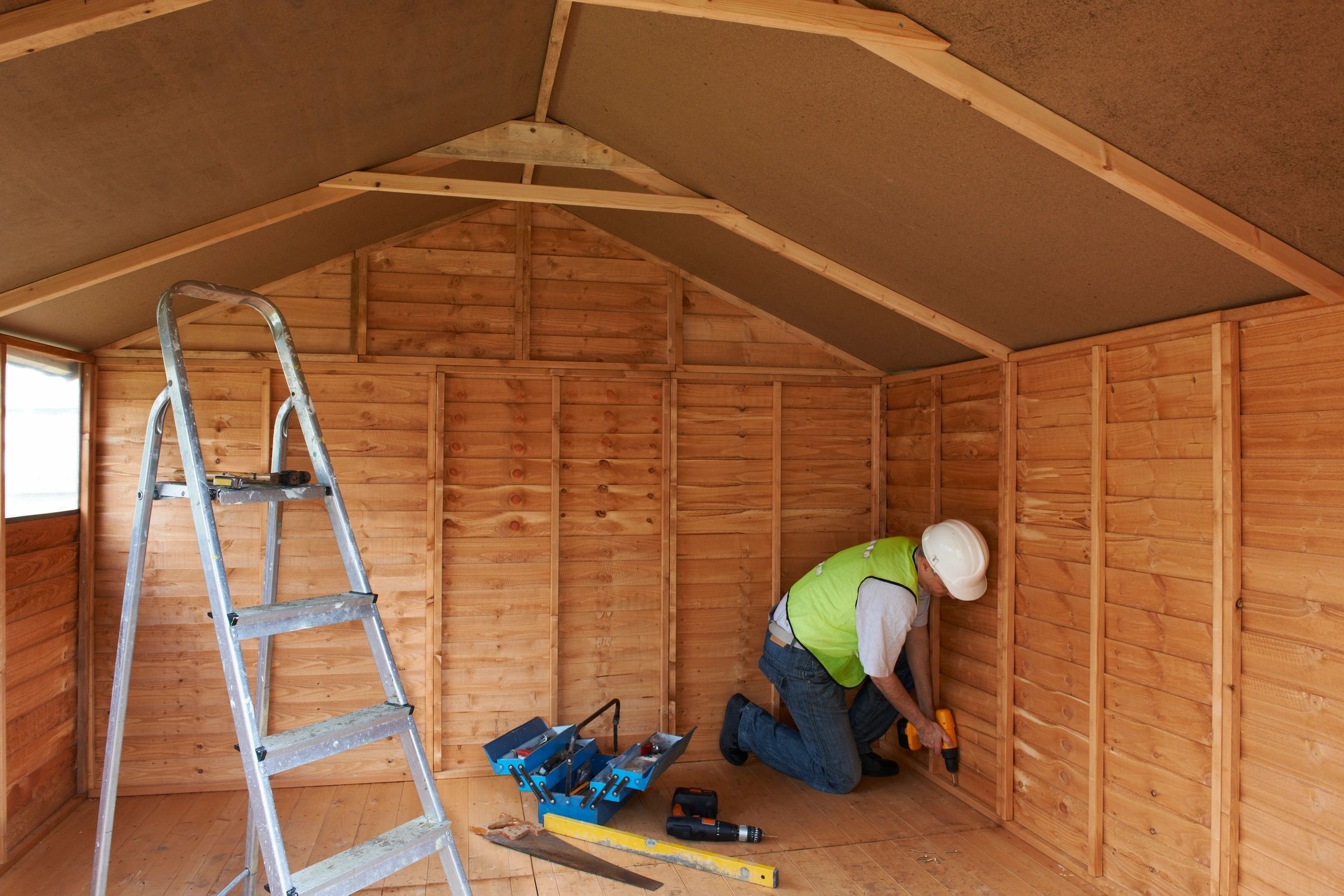
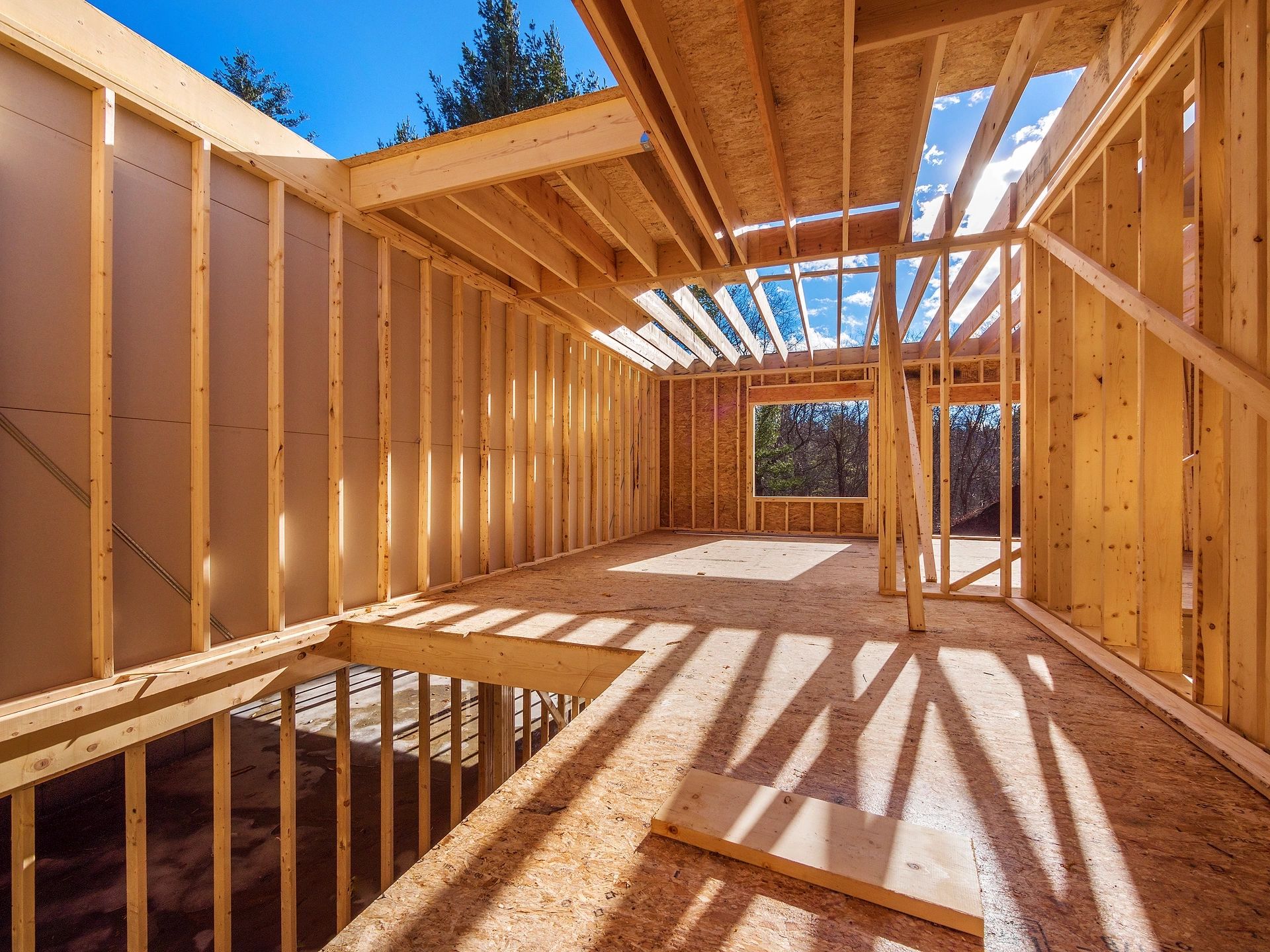
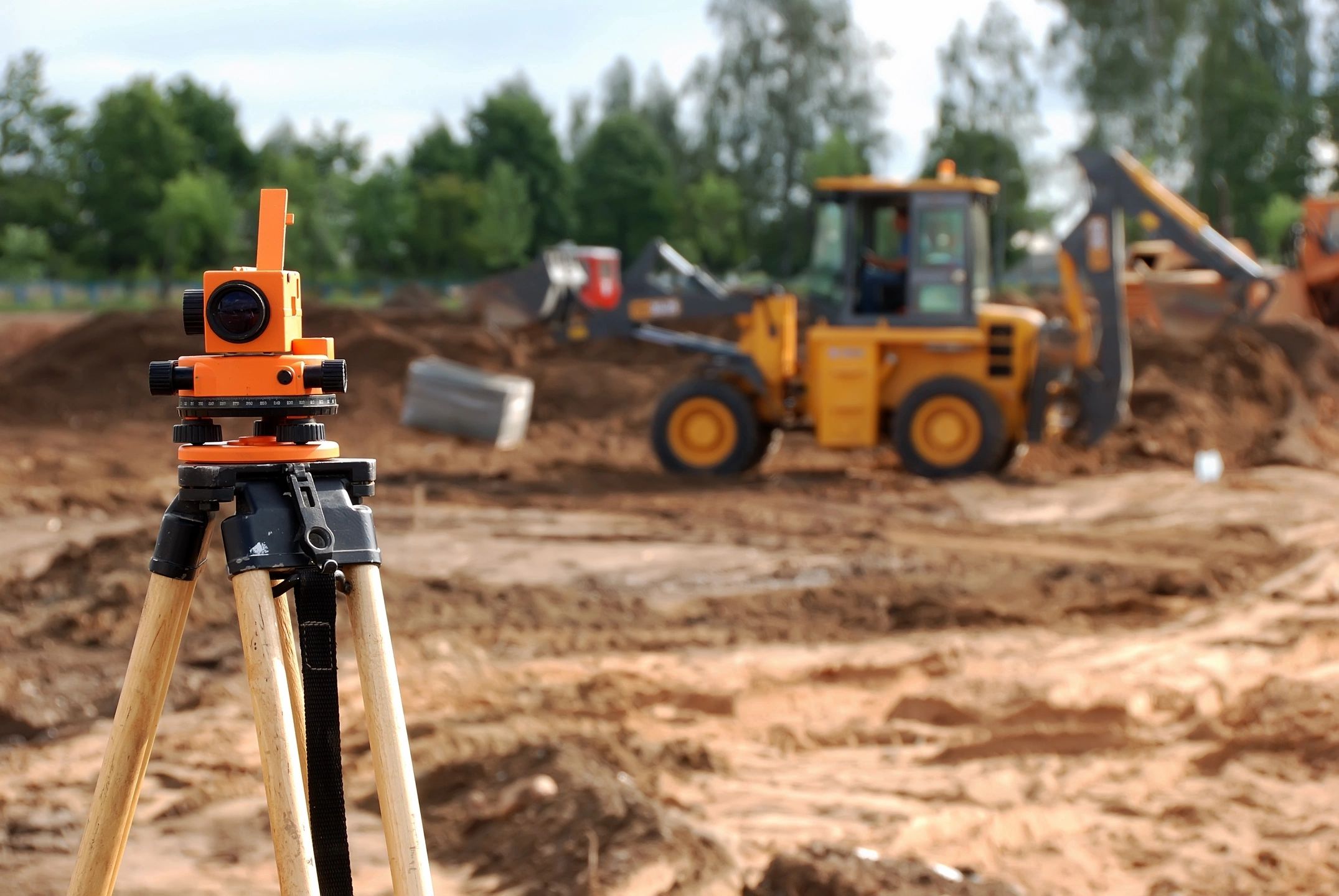



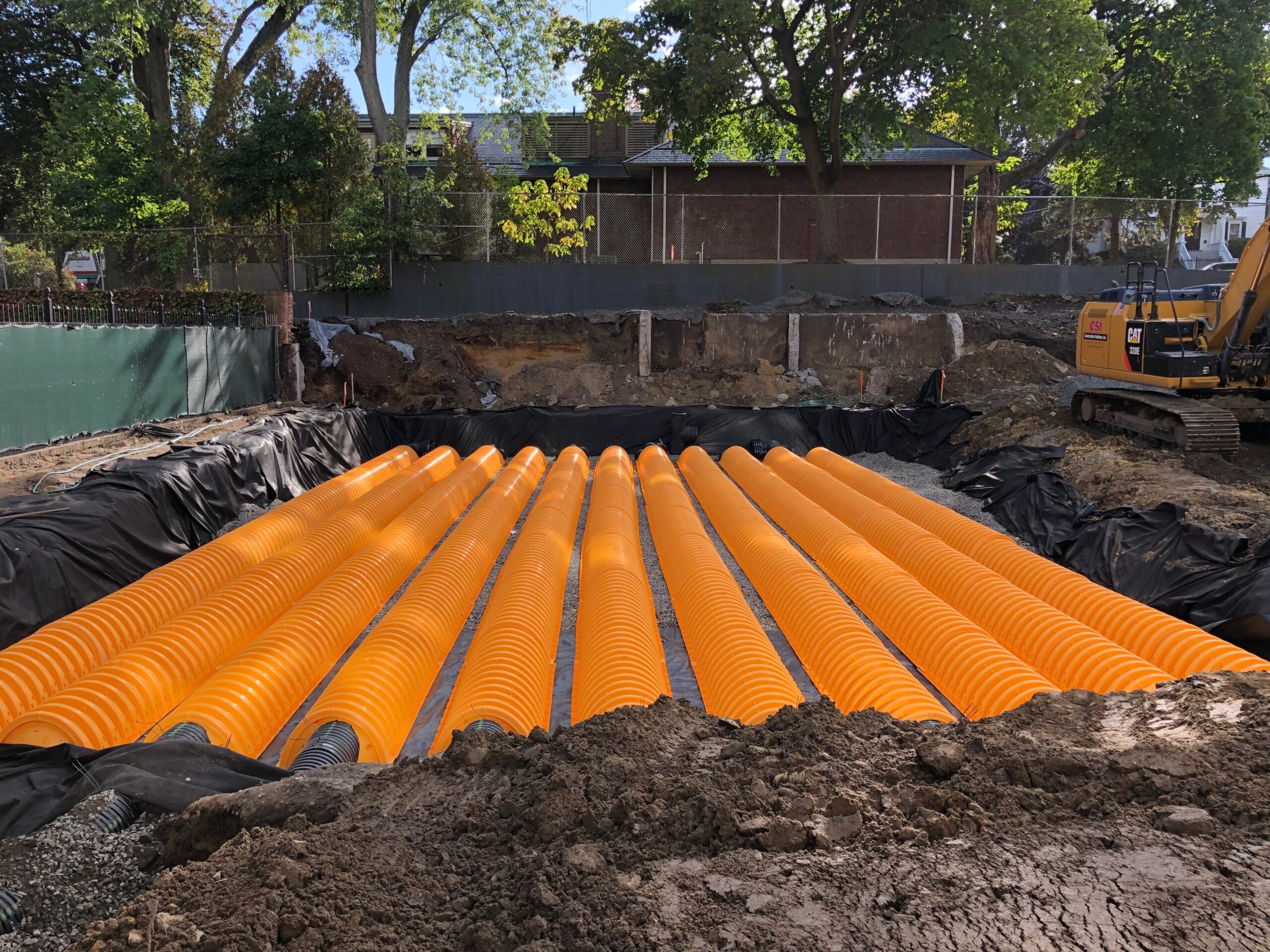
Residential Construction Planning and Design
Every successful construction project starts with proper planning. Before excavation begins or framing materials arrive on site, homeowners must consider zoning restrictions, budget requirements, utility access, structural conditions, and long-term property goals.
One of the biggest mistakes homeowners make is rushing into construction without understanding the complete scope of the project. A home addition, garage conversion, basement transformation, or structural renovation may require engineering reviews, local approvals, drainage considerations, and utility coordination long before physical work begins.
Homeowners need to understand:
- The steps involved before construction begins
- How permitting and inspections impact timelines
- What to expect during structural renovations
- When engineering or architectural plans may be required
- How site conditions affect project costs
- The relationship between foundations, framing, and long-term stability
Whether you are planning a custom home, expanding an existing structure, or evaluating a property for future development, understanding the planning phase can save significant time and money later in the project.
Home Additions, Renovations, and Structural Improvements
Residential construction today is about more than simply building new homes. Many property owners are looking for ways to maximize existing space, modernize older structures, and improve long-term property value.
Popular projects across Massachusetts and New England include:
- Second-story additions
- Garage and barn conversions
- Basement transformations
- Foundation replacements
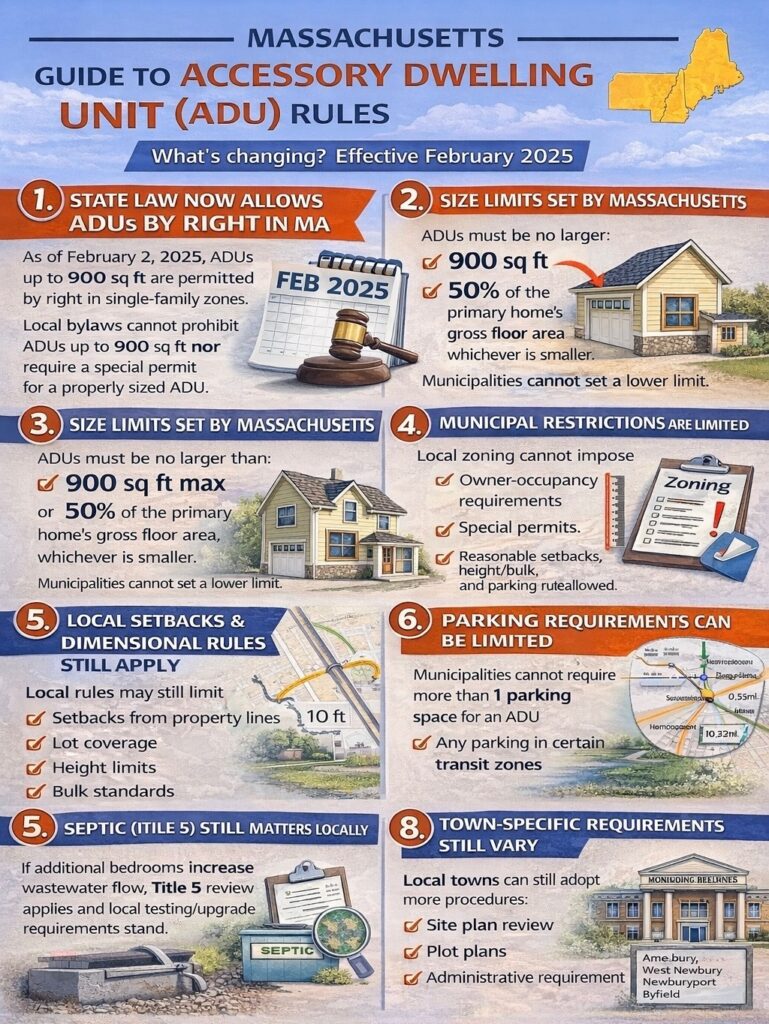
- Accessory dwelling units (ADUs)
- Structural renovations for older homes
- Expanded living spaces for multigenerational families
Projects involving structural modifications require careful coordination between contractors, engineers, inspectors, and local municipalities. Improper sequencing or poor structural planning can create long-term issues involving settlement, drainage, moisture intrusion, or framing instability.
For many New England homes, renovation projects also involve preserving older structures while integrating modern materials, energy efficiency upgrades, and updated living spaces.
Massachusetts Residential Construction Considerations
Residential construction in Massachusetts presents unique challenges compared to other parts of the country. Homeowners throughout Eastern Massachusetts and surrounding areas often deal with older housing stock, frost depth requirements, drainage concerns, coastal weather conditions, and strict municipal permitting standards.
Construction projects in the region frequently require careful attention to:
- Frost-protected foundations
- Drainage and groundwater management
- Historic property restrictions
- Wetland and conservation regulations
- Tight lot lines and zoning limitations
- Septic and utility coordination
- Winter construction scheduling
- Structural upgrades for aging homes
In many communities, projects involving additions, ADUs, foundation replacements, or major renovations require approvals from local building departments, conservation commissions, or planning boards. Understanding these requirements early can help avoid delays during construction.
New England weather conditions also impact building practices. Freeze-thaw cycles, heavy rain, snow loads, and coastal moisture exposure all influence how homes are designed, framed, waterproofed, and insulated.
Our Massachusetts-focused construction resources help homeowners understand what to expect when building or renovating in the region while providing practical guidance specific to local property conditions and regulations.
Preparing Your Property for Construction
Before any residential building project begins, the property itself must be properly evaluated and prepared. Site readiness plays a major role in construction timelines, structural performance, and overall project efficiency.
Homeowners often underestimate the importance of:
- Soil conditions
- Drainage patterns
- Existing utility locations
- Access for equipment
- Foundation elevations
- Grading requirements
- Water management planning
- Existing structural conditions
Even projects focused primarily on the home itself may require extensive coordination behind the scenes to ensure the structure remains stable and protected throughout construction.
For example, adding a second story may require foundation analysis and reinforcement. Turning a dirt-floor basement into usable living space may involve drainage systems, waterproofing, concrete work, insulation, and structural upgrades. Building a garage or ADU may require utility extensions, grading adjustments, and zoning review. Each property and project is going to dictate the steps needed.
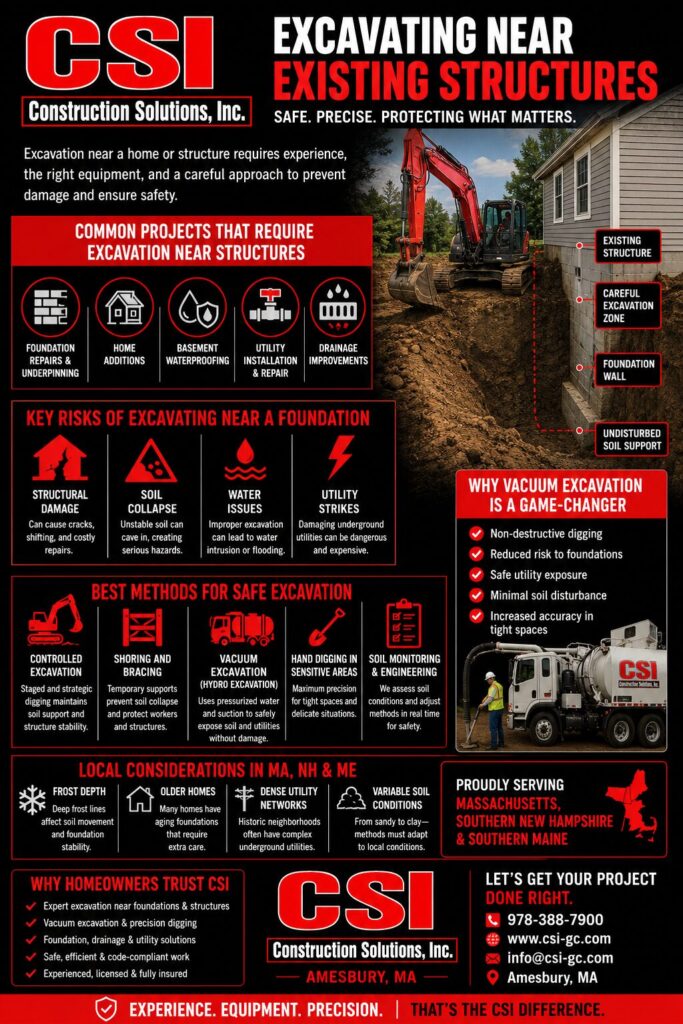
Building Smarter for Long-Term Property Value
Residential construction is not just about solving immediate space needs. Well-planned projects can improve functionality, increase property value, enhance energy efficiency, and support long-term family goals.
Today’s homeowners are increasingly investing in:
- Flexible family living spaces
- Multigenerational housing solutions
- Home office additions
- Energy-efficient upgrades
- Detached garages and workshops
- Finished basement living areas
- Aging-in-place renovations
- Long-term property improvements
A professionally planned project considers not only current needs, but also future maintenance, resale value, durability, and structural longevity.
Frequently Asked Questions
What is included in residential construction?
Residential construction includes the planning, site preparation, excavation, foundation work, utility installation, framing, grading, drainage, and structural construction involved in building or improving residential properties. Projects can range from custom homes and additions to excavation, waterproofing, septic systems, and site development.
What should homeowners know before starting a residential construction project?
Before beginning residential construction, homeowners should understand local permitting requirements, zoning restrictions, site conditions, drainage needs, utility access, budgeting, and project timelines. Proper planning during the early stages can help prevent delays, unexpected costs, and structural issues later in the project. Learn more with our guide, “Permits and Site Inspections Homeowners Should Know.”
Why is site preparation important before construction begins?
Site preparation helps create stable ground conditions for foundations, utilities, drainage systems, and structural support. Proper excavation, grading, and soil preparation reduce the risk of settlement issues, standing water, erosion, and drainage problems that can affect long-term property performance. We offer a full resource hub for residential excavation and site work, be sure to check it out.
What are common signs of foundation problems in a home?
Common signs of foundation issues include cracks in walls or foundations, uneven floors, sticking doors or windows, water intrusion, bowing walls, and visible settlement around the structure. Early evaluation of foundation concerns can help prevent more extensive structural damage. You can learn more through our resource guide, “Signs You Might Need Foundation Repairs.”
How does drainage affect residential construction projects?
Drainage plays a major role in protecting foundations, septic systems, retaining walls, and landscaping. Poor drainage can lead to erosion, basement leaks, frost heave, foundation movement, and water damage. Proper grading and drainage planning are critical for long-term property stability in New England climates. We offer homeowners a full research hub on foundations and drainage.
What is involved in residential excavation work?
Residential excavation may include land clearing, grading, trenching, utility installation, foundation excavation, drainage preparation, septic excavation, and site development. Excavation is typically one of the earliest phases of construction and helps prepare the property for safe and efficient building. We have created a separate information hub specifically for residential excavation and site work for homeowners.
What factors affect the timeline of a residential construction project?
Project timelines can be affected by permitting, weather conditions, site access, material availability, inspections, excavation complexity, utility coordination, and changes to project scope. Larger or more complex residential projects generally require additional planning and scheduling coordination. You can learn more in-depth guidance with our resource, “What to Expect During Site Preparation: Timeline & Steps.”
What is the difference between grading and drainage work?
Grading involves shaping and leveling the land to establish proper elevations and slopes, while drainage work focuses on directing water away from structures and preventing water accumulation. Both systems work together to protect foundations, landscaping, and surrounding site conditions.
How do New England weather conditions impact residential construction?
New England construction projects often require planning for frost depth, freeze-thaw cycles, heavy rainfall, snow loads, and seasonal drainage challenges. Proper site work, waterproofing, foundation design, and grading help improve long-term durability in Massachusetts, Southern New Hampshire, and Southern Maine. You can read our in-depth guide, “Excavation in Winter vs. Summer: New England Site Work,” for more detained guidance.
Why are resource pages important for residential construction research?
Residential construction resource pages help homeowners, developers, and property owners better understand construction methods, project planning, site work, foundations, drainage, excavation, and permitting considerations. Educational resources can help property owners make more informed decisions before starting construction projects
Planning a Residential Construction Project?
Contact Construction Solutions Inc., today
Phone: 978-388-7900
Serving Massachusetts, Southern New Hampshire & Southern Maine
Massachusetts – Essex County, Middlesex County, Suffolk County, Norfolk County
New Hampshire – Rockingham County, Hillsboro County
Maine – York County