


Six Tips For A Successful Build
Before the first wall goes up, successful construction starts with what happens beneath it.
Preparing your lot is one of the most important steps in any build—especially in New England, where rocky soils, changing elevations, and tight local regulations make site work more complex than in other regions.
Here’s what you need to know before construction begins.

1. Conduct a Site Assessment
Before machines hit the ground, your builder or engineer should inspect the lot to determine:
- Soil type and drainage conditions
- Water table levels
- Slope or elevation challenges
- Zoning or wetland restrictions
- Access for construction vehicles
A soil test (perc test) may be required if you need a septic system installed for waste management.

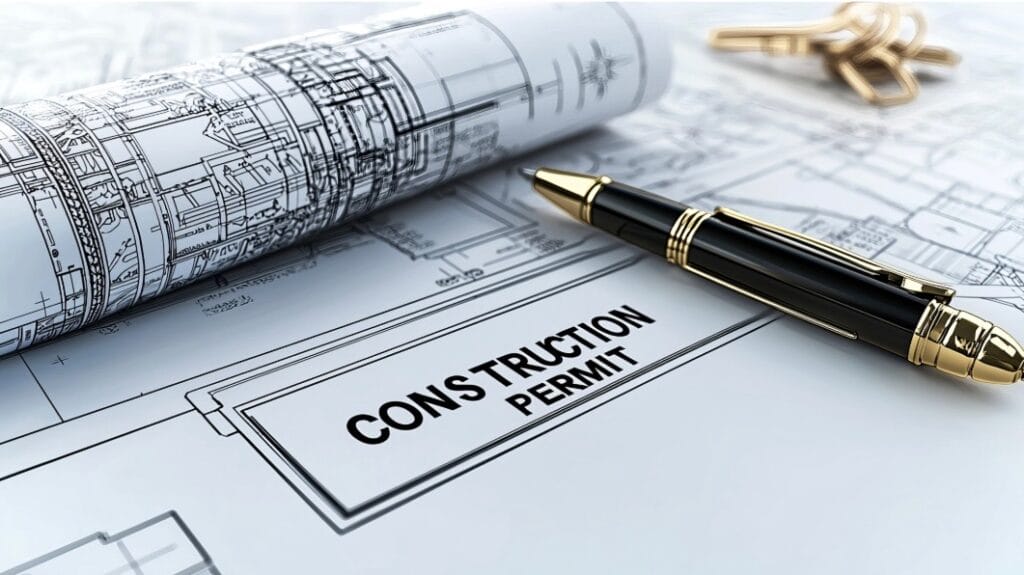
2. Secure the Necessary Permits
Every town has its own requirements, but typical permits for lot preparation include:
- Site plan approval
- Septic system and/or well permits (if applicable)
- Erosion control plans
- Tree removal or grading approvals
- Building permits
Working with a contractor who knows local building departments can save time and reduce headaches.
3. Land Clearing & Tree Removal
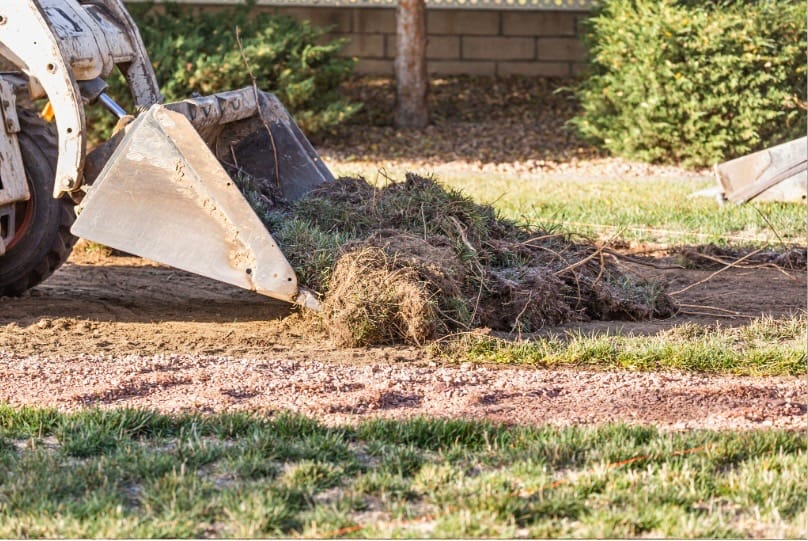
Once permits are in hand, clearing begins. This includes:
- Removing trees, shrubs, and vegetation
- Stump grinding or pulling
- Disposing of green waste
- Preserving trees where required by code or preference
In some towns, tree preservation or replanting ordinances apply.

4. Excavation & Grading
This is the heavy-duty part of site prep.
The lot is:
- Stripped of topsoil and leveled
- Graded for proper drainage
- Trenched for foundation and utilities
- Excavated to plan for basements, garages, or frost footings
Learn more about Excavation & Site Development
5. Utility Hookup
Next comes trenching and prepping for:
- Water and sewer connections (or septic system / Well installation)
- Gas and electrical lines
- Underground drainage systems
- Conduit for internet or cable
Coordinating with utility providers early keeps your project on schedule.

6. Foundation Layout
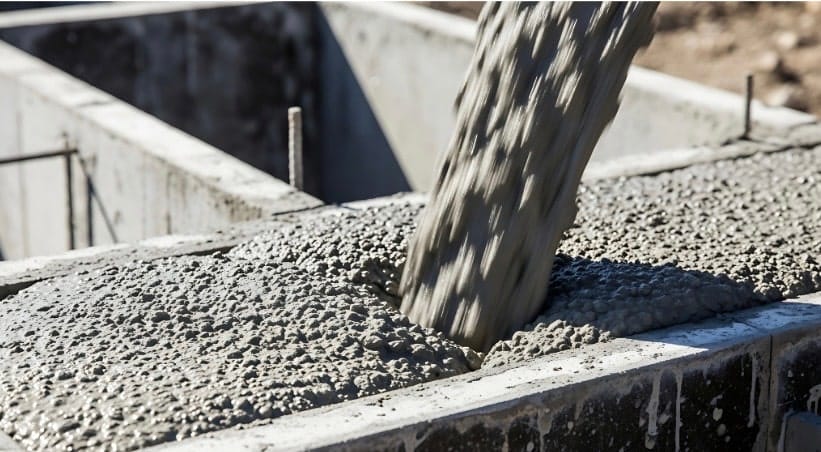
Once the lot is shaped and utilities are placed or stubbed, foundation work begins.
This might include:
- Setting footing forms
- Pouring concrete or preparing for blockwork
- Backfilling and compacting
- Installing vapor barriers or drainage layers under slabs
Your foundation sets the tone for the entire build—proper prep here prevents costly problems later.
Building in New England? You Need Local Expertise
At Construction Solutions, Inc., we bring the right equipment, experience, and team to prepare your lot thoroughly and efficiently—while navigating local rules and challenges.
Let’s Build Something That Lasts
Whether you’re planning a custom home, a commercial development, or an accessory dwelling unit (ADU), your project starts here—with smart, well-executed site work.
