


Keeping Your Project on Track

Planning a new home, addition, garage, or major renovation is exciting—but before any excavation or construction begins, there’s a critical step many homeowners underestimate: permits and site inspections.
In Massachusetts and throughout New England, building projects are highly regulated to protect safety, environmental resources, and neighboring properties.
Missing a permit or skipping an inspection can result in delays, fines, stop-work orders, or even having to undo completed work.
This guide explains what permits and inspections homeowners should expect before building, why they matter, and how proper site planning can keep your project on track.
Why Permits and Inspections Matter
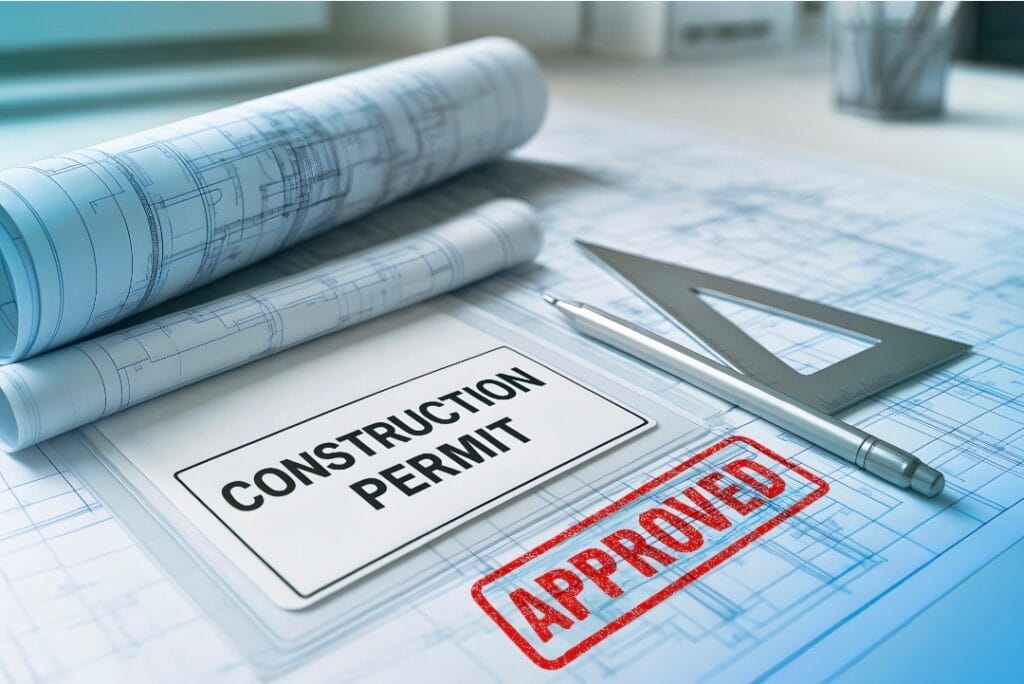
Permits and inspections exist to ensure that:
- Structures are built safely and to code
- Environmental resources are protected
- Utilities are installed correctly
- Drainage and grading do not cause future problems
- Property records accurately reflect improvements
For homeowners, permits also provide legal protection. If work is properly permitted and inspected, liability risks are reduced and resale is smoother.
Common Projects That Require Permits
Most homeowners are surprised by how many projects require approval.
In Massachusetts, permits are typically required for:
- New home construction
- Home additions or second stories
- Garages (attached or detached)
- Foundation work
- Septic system installation or upgrades
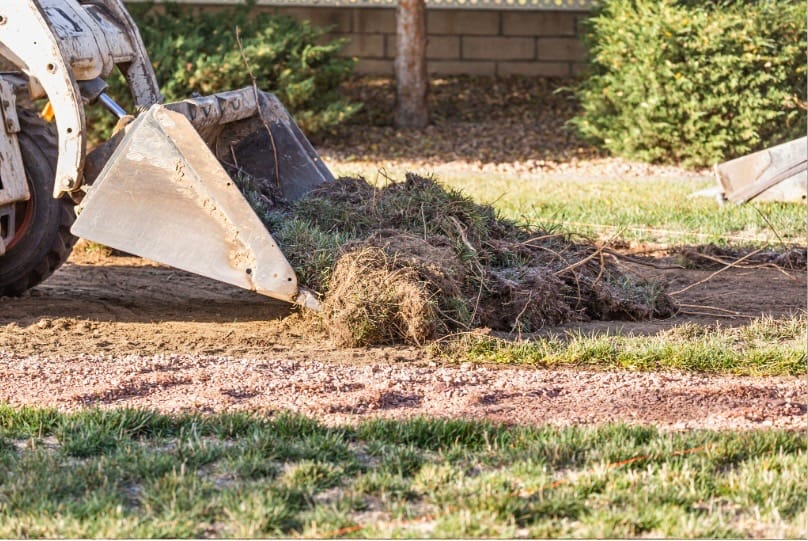
- Excavation and site grading
- Driveways and drainage work
- ADUs (Accessory Dwelling Units)
Even if a contractor tells you a permit “isn’t necessary,” the property owner is ultimately responsible.
Key Permits Homeowners Should Expect

1. Building Permit
Issued by the local Building Department, this is the primary permit for construction.
Typically requires:
- Stamped construction drawings
- Plot plan showing setbacks and structures
- Zoning compliance confirmation
No construction can legally begin without this permit.
2. Zoning Approval
Before a building permit is issued, the project must comply with local zoning bylaws.
Zoning reviews address:
- Setbacks
- Lot coverage
- Building height
- Use restrictions
Some projects require a special permit or variance, which involves public hearings and additional timelines.


3. Septic / Title 5 Approval (If Applicable)
If your property is on septic, approval from the Board of Health is required.
This may include:
- Soil testing (perc test)
- Septic system design
- Bedroom count verification
- Replacement or upgrade of existing systems
Title 5 compliance is critical for occupancy and future resale.
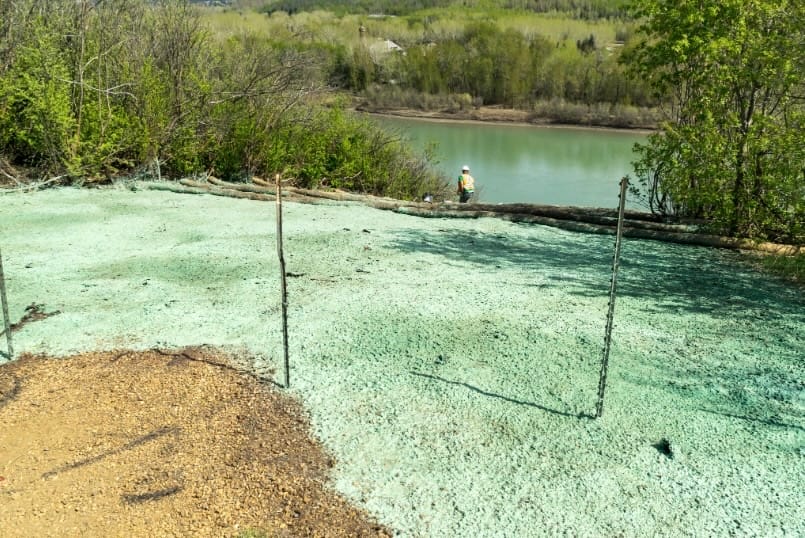
4. Conservation Commission Approval
If work occurs near:
- Wetlands
- Streams
- Rivers
- Floodplains
- Buffer zones
You may need:
- Notice of Intent (NOI)
- Request for Determination (RDA)
This process can significantly impact timelines and site work planning.

5. Driveway & Curb Cut Permits
New or modified driveways often require approval from:
- The town
- DPW
- State (for state highways)
These permits ensure safe access and proper drainage.
5. Final Inspection and Certificate of Occupancy
Before you can occupy or use the space:
- Final inspections are completed
- As-built plans may be required
- A Certificate of Occupancy (CO) is issued
Without a CO, the space may not be legally usable.

Common Mistakes Homeowners Make

- Starting site work before permits are issued
- Assuming small projects don’t need approval
- Ignoring septic or drainage impacts
- Underestimating review timelines
- Hiring contractors unfamiliar with local regulations
These mistakes often lead to delays, added costs, and frustration.
How Early Site Planning Prevents Problems
Experienced contractors evaluate permits and inspections before design is finalized. Early site planning helps:
- Identify zoning limitations
- Address drainage challenges
- Coordinate septic and utility placement
- Avoid redesigns and change orders
This is especially important in New England, where soil, groundwater, and lot constraints vary widely.

Final Thoughts

Permits and inspections are not red tape—they’re safeguards.
Understanding what’s required before you build allows you to plan realistically, protect your investment, and move through construction with confidence.
Working with professionals who understand local permitting, site work, and inspections can mean the difference between a smooth project and a costly setback.