

Table of contents
- Commercial Site Preparation Checklist: What Every Property Owner, Developer, and Contractor Should Know Before Breaking Ground
- 1. Verify Property Boundaries and Existing Conditions
- 2. Complete Geotechnical and Soil Testing
- 3. Identify and Locate Underground Utilities
- 4. Evaluate Environmental Conditions
- 5. Develop a Stormwater Management Plan
- 6. Obtain Necessary Permits and Approvals
- 7. Establish Erosion and Sediment Controls
- 8. Plan Site Access and Construction Logistics
- 9. Complete Site Clearing and Demolition
- 10. Perform Rough Grading and Earthwork
- 11. Install Underground Utilities
- 12. Prepare for Foundation Construction
- Why Professional Site Preparation Matters
- Partner with Construction Solutions, Inc. for Commercial Site Development
- Looking for an Experienced Contractor

Commercial Site Preparation Checklist: What Every Property Owner, Developer, and Contractor Should Know Before Breaking Ground
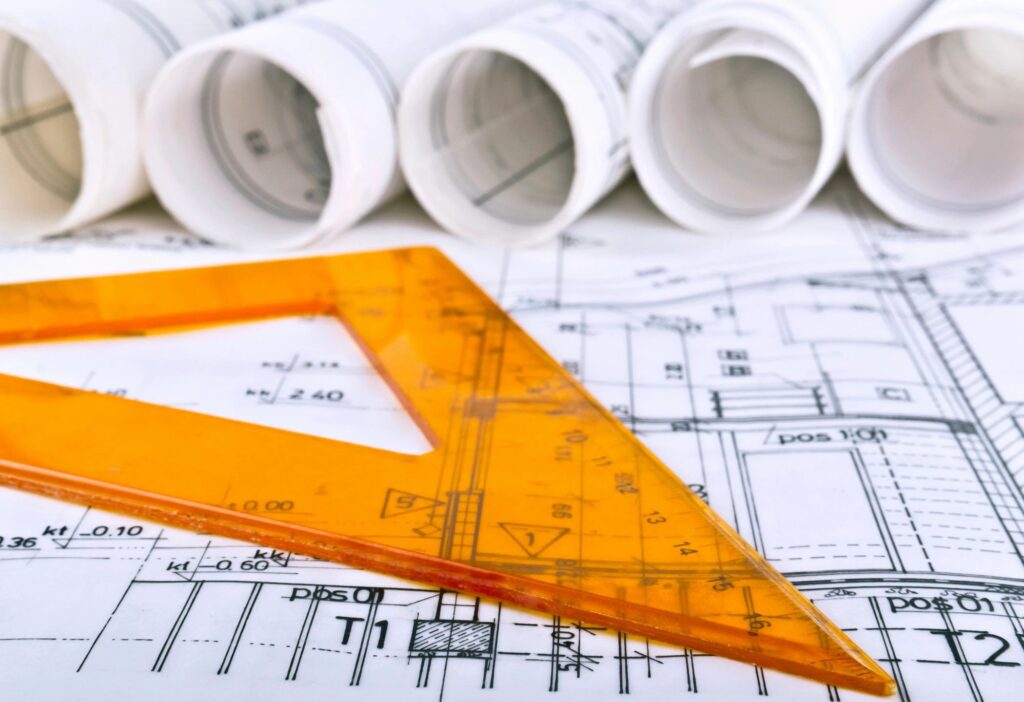
A successful commercial construction project starts long before the first excavator arrives on site. Proper site preparation is one of the most critical factors affecting project costs, schedules, safety, and long-term performance.
Many construction delays, budget overruns, and unforeseen issues can be traced back to inadequate planning during the site preparation phase. Underground utilities, unsuitable soils, drainage challenges, environmental concerns, permitting requirements, and site access limitations can all create significant obstacles if not identified and addressed early.
Use this commercial site preparation checklist to help ensure your next development project starts on solid ground.
1. Verify Property Boundaries and Existing Conditions
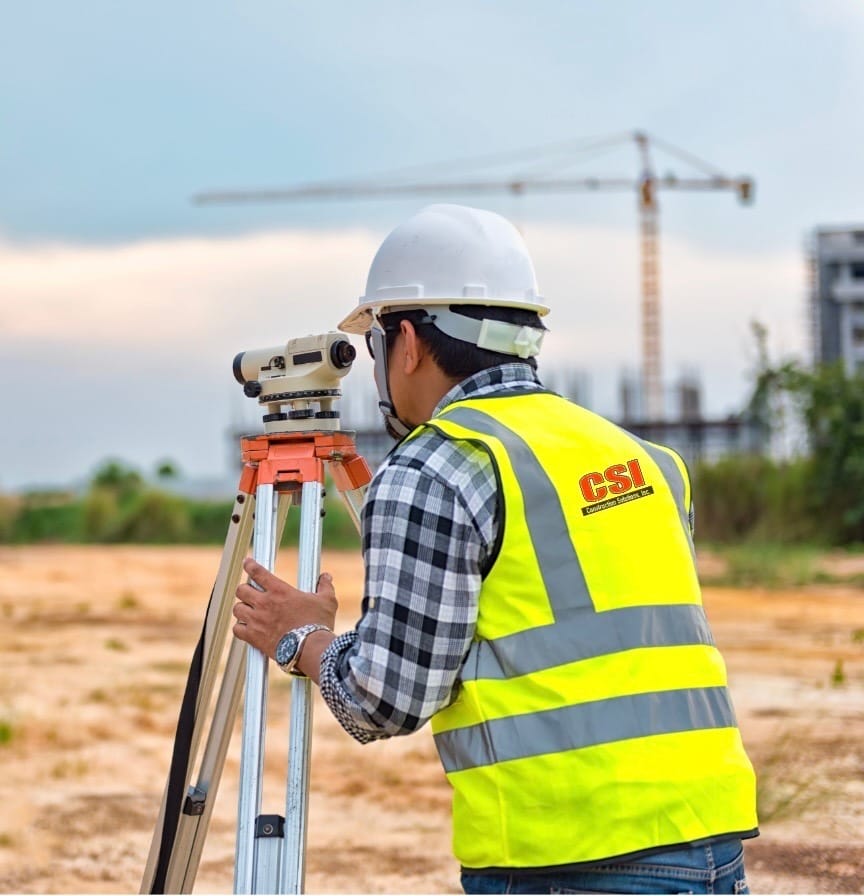
Before any construction activities begin, it’s essential to confirm property boundaries, easements, rights-of-way, setbacks, and existing site conditions.
A professional survey should identify:
- Property lines
- Building setbacks
- Utility easements
- Drainage easements
- Wetlands boundaries
- Existing structures
- Topographic features
In New England, properties often contain historical boundary discrepancies, stone walls, old utility corridors, and undocumented site modifications. Early verification can prevent costly redesigns and legal complications later in the project.
Site Assessment Questions Property Owners Should Ask:
- Are all property boundaries accurately marked?
- Are there existing structures requiring demolition?
- Are wetlands or protected areas present?
- Are neighboring properties impacted by proposed work?
- Are access routes suitable for construction equipment?
2. Complete Geotechnical and Soil Testing
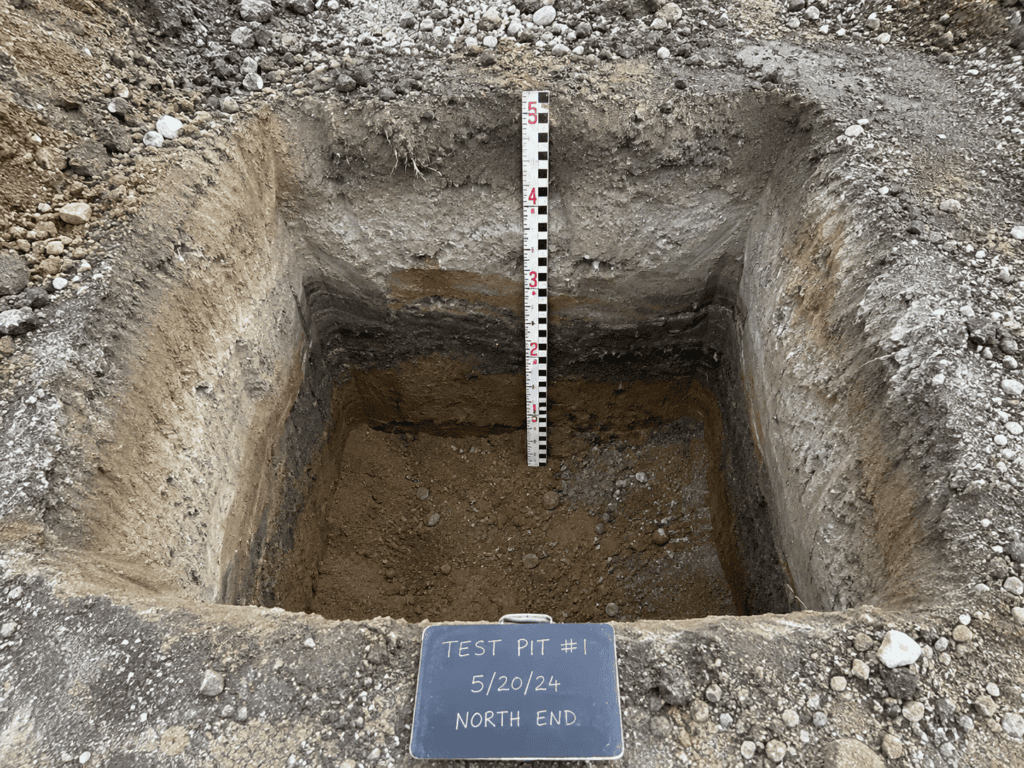
Understanding subsurface conditions is critical for proper design and construction.
A geotechnical investigation evaluates:
- Soil bearing capacity
- Groundwater conditions
- Rock depth
- Soil composition
- Compaction requirements
- Settlement potential
Many areas throughout Massachusetts, Southern New Hampshire, and Southern Maine contain challenging soil conditions including:
- High groundwater tables
- Glacial till
- Clay soils
- Ledge and bedrock
- Organic materials
- Fill soils from previous development
Failing to identify these conditions early can lead to foundation issues, drainage problems, and significant cost increases during construction.
Contractor Geotechnical Checklist to Complete:
- Soil borings completed
- Geotechnical report reviewed
- Groundwater conditions documented
- Foundation recommendations
- Earthwork quantities verified
- Rock excavation potential identified.
3. Identify and Locate Underground Utilities
One of the most common causes of project delays and safety incidents is encountering unknown underground infrastructure.
Prior to excavation, all utilities should be identified and verified.
Potential utilities include:
- Water mains
- Sewer systems
- Gas lines
- Electrical service
- Fiber optic communications
- Telecommunications infrastructure
- Storm drainage systems
While utility marking services provide valuable information, vacuum excavation and utility potholing often provide the safest and most accurate method of physically verifying utility locations.
Utility Verification Checklist:
- Utility locate requests submitted
- Existing utility maps reviewed
- Utility conflicts identified
- Utility owners contacted
- Vacuum excavation performed where necessary
- Relocation requirements confirmed
Proper utility verification can prevent costly damages, service interruptions, and construction delays.

4. Evaluate Environmental Conditions
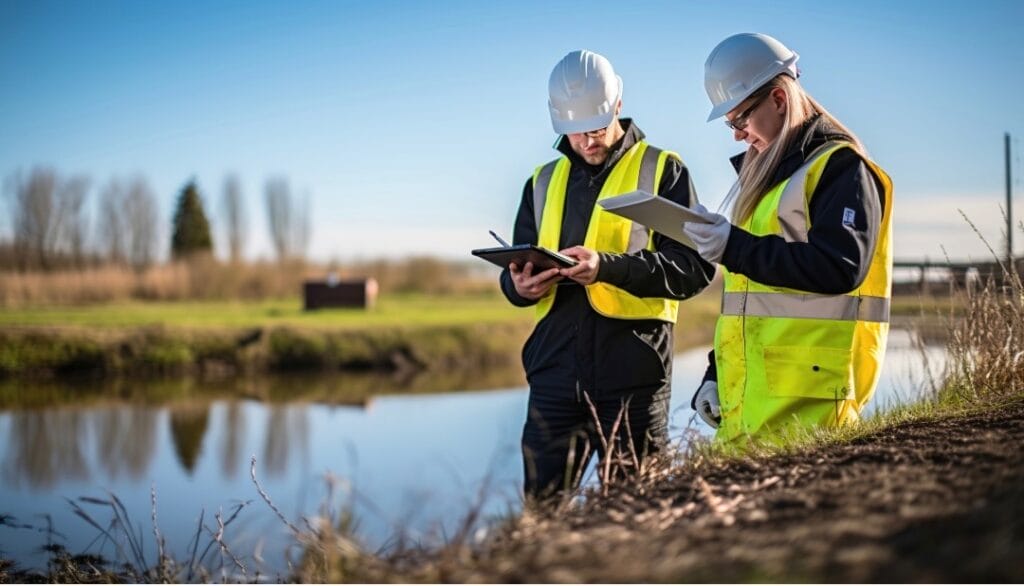
Environmental concerns can significantly impact project timelines and budgets.
Before construction begins, determine whether environmental assessments are required.
Common issues include:
- Contaminated soils
- Petroleum impacts
- Asbestos-containing materials
- Lead contamination
- Historic fill materials
- Groundwater contamination
- Underground storage tanks
Older commercial and industrial properties throughout New England frequently contain legacy environmental concerns that require specialized remediation before development can proceed.
Environmental investigations may include:
- Phase I Environmental Site Assessments
- Phase II Environmental Site Assessments
- Soil sampling
- Groundwater testing
- Remediation planning
Addressing environmental concerns early helps avoid regulatory delays and unexpected project costs.
5. Develop a Stormwater Management Plan
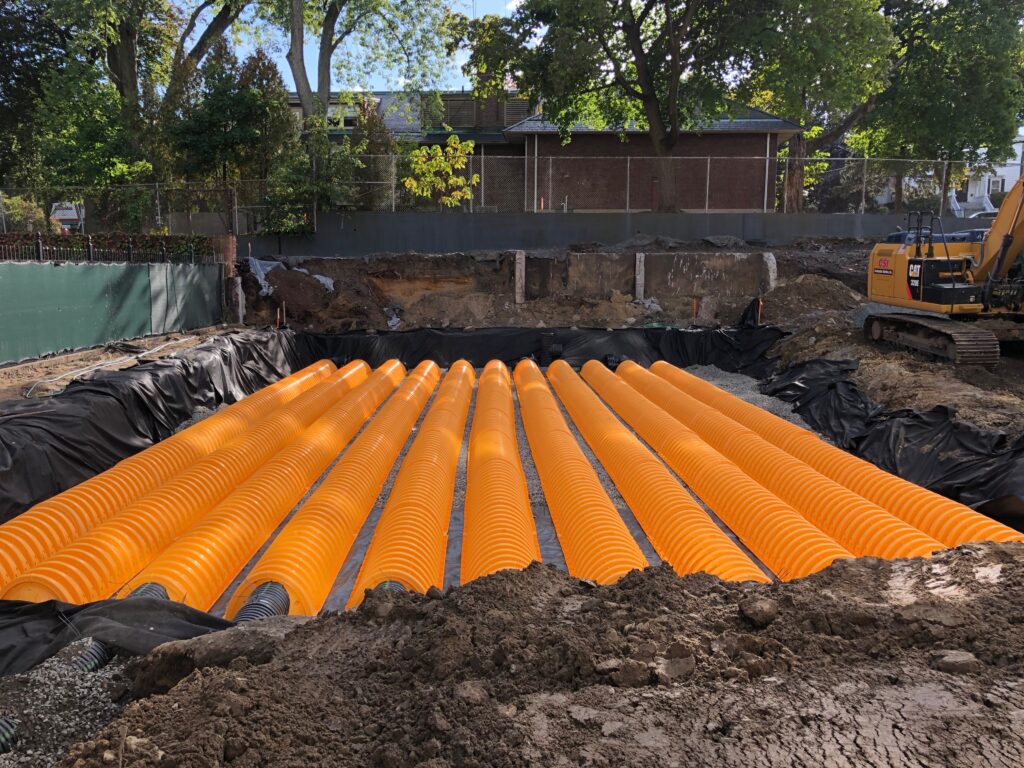
Stormwater management is one of the most important aspects of modern commercial site development.
Improper drainage can cause:
- Flooding
- Erosion
- Foundation damage
- Pavement failure
- Regulatory violations
Site preparation should include evaluation of:
- Existing drainage patterns
- Runoff calculations
- Detention requirements
- Infiltration opportunities
- Water quality controls
Commercial developments throughout New England often face strict stormwater regulations designed to protect waterways, wetlands, and surrounding properties.
A comprehensive drainage strategy should be developed before construction begins.
6. Obtain Necessary Permits and Approvals
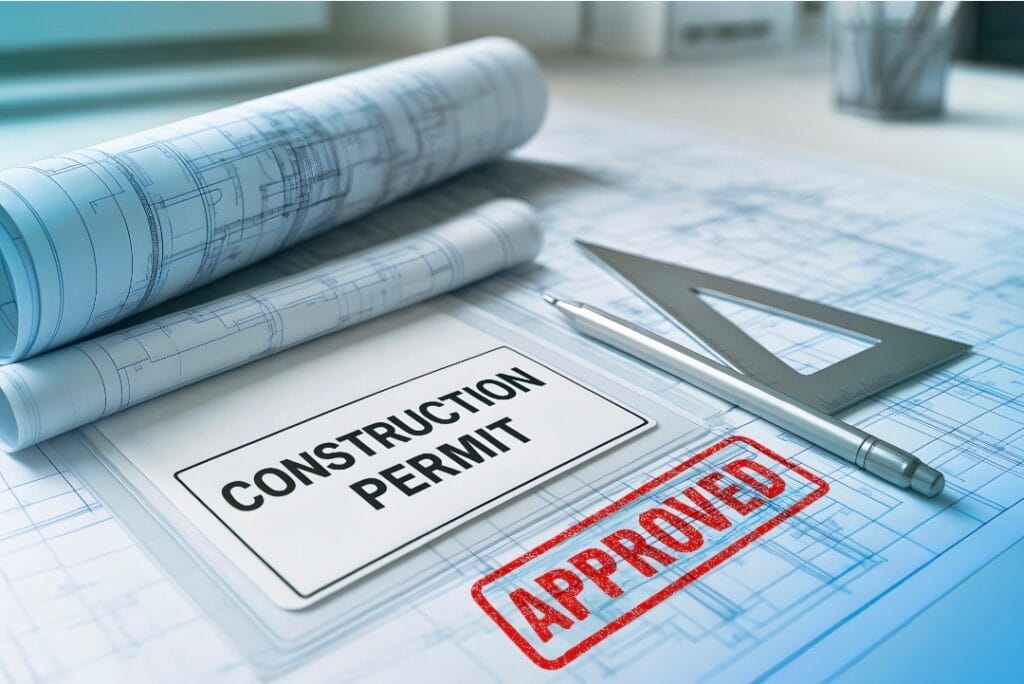
Commercial construction projects often require approvals from multiple agencies before site work can begin.
Depending on the project, permits may include:
- Building permits
- Site plan approvals
- Conservation Commission approvals
- Stormwater permits
- Utility permits
- Road opening permits
- Environmental permits
- Local zoning approvals
Permitting timelines vary significantly across municipalities throughout Massachusetts, Southern New Hampshire, and Southern Maine.
Developers should establish a permitting schedule early to avoid delays that could impact project milestones.
Permit Checklist
- Site plan approved
- Zoning approvals received
- Building permits issued
- Utility permits secured
- Environmental permits obtained
- Stormwater permits approved
- Conservation approvals received
7. Establish Erosion and Sediment Controls

Construction activities can generate significant soil disturbance.
Without proper controls, sediment runoff can create environmental violations and damage nearby properties.
Typical erosion control measures include:
- Silt fence installation
- Compost filter socks
- Stabilized construction entrances
- Sediment basins
- Temporary seeding
- Mulching
- Erosion control blankets
These measures should be installed before major earthwork begins and maintained throughout construction.
Erosion Control Checklist
- Erosion control plan approved
- Silt fence installed
- Construction entrance stabilized
- Drainage structures protected
- Inspection schedule established
- Maintenance procedures implemented
8. Plan Site Access and Construction Logistics
Efficient construction operations require proper planning for site access and material movement.
Consider:
- Truck routes
- Equipment access
- Material staging areas
- Worker parking
- Temporary utilities
- Traffic control requirements
Urban and developed areas often present unique logistical challenges that require detailed coordination.
Proper planning improves productivity while reducing impacts on neighboring businesses and residents.

9. Complete Site Clearing and Demolition

Before grading and utility work can begin, existing obstacles must be removed.
Site clearing may include:
- Tree removal
- Brush clearing
- Stump removal
- Structure demolition
- Pavement removal
- Concrete removal
- Utility abandonment
Material recycling opportunities should also be evaluated to reduce disposal costs and improve sustainability.
A detailed demolition and clearing plan helps ensure safe and efficient site preparation.
10. Perform Rough Grading and Earthwork
Earthwork creates the foundation for every successful construction project.
Activities typically include:
- Excavation
- Fill placement
- Soil stabilization
- Compaction
- Mass grading
- Building pad preparation
Proper grading ensures:
- Stable foundations
- Positive drainage
- Utility installation efficiency
- Pavement performance
- Long-term site functionality
Compaction testing and quality control should be performed throughout the process to verify compliance with project specifications.

11. Install Underground Utilities

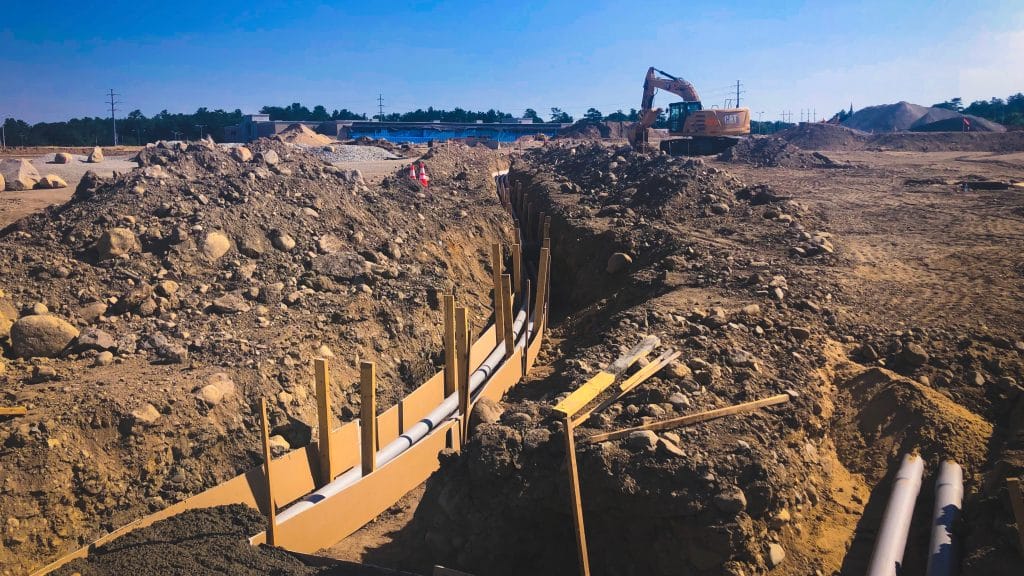
After grading operations are complete, underground infrastructure can be installed.
Typical utility installations include:
- Water services
- Sewer systems
- Storm drainage systems
- Electrical duct banks
- Telecommunications infrastructure
- Fire protection systems
Careful coordination between contractors helps minimize conflicts and avoid costly rework.
12. Prepare for Foundation Construction
The final stage of site preparation involves preparing building areas for foundation installation.
This includes:
- Final grading
- Foundation excavation
- Subgrade preparation
- Compaction verification
- Dewatering if necessary
At this point, the site should be fully prepared to transition into vertical construction activities.
Why Professional Site Preparation Matters
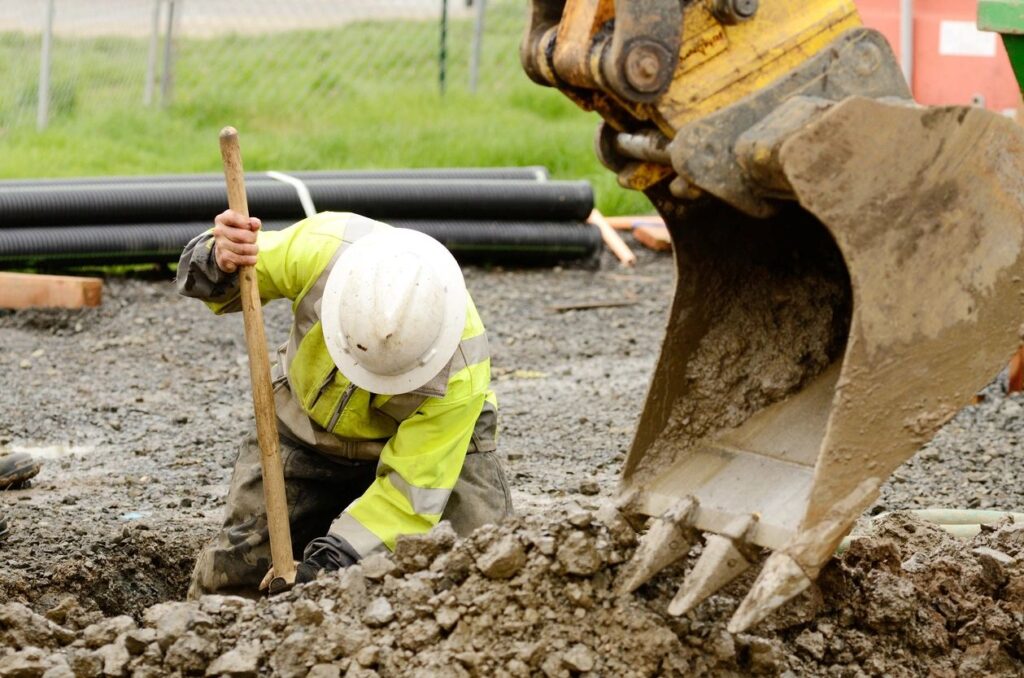
Commercial site preparation is far more than clearing land and moving dirt. It is a comprehensive process that directly impacts project safety, cost, schedule, and long-term performance.
A well-executed site preparation plan helps:
- Reduce construction delays
- Minimize unexpected costs
- Improve jobsite safety
- Protect environmental resources
- Ensure regulatory compliance
- Increase construction efficiency
- Support long-term building performance
Investing in proper planning during the early stages of development often saves substantial time and money throughout the life of the project.
Partner with Construction Solutions, Inc. for Commercial Site Development
Construction Solutions, Inc. provides comprehensive commercial site preparation, excavation, utility installation, environmental remediation, vacuum excavation, grading, demolition, and construction services throughout Massachusetts, Southern New Hampshire, and Southern Maine.
Our experienced team works closely with developers, property owners, engineers, municipalities, and general contractors to identify challenges early, develop practical solutions, and keep projects moving forward safely and efficiently.
Whether you’re planning a new commercial development, industrial facility, municipal project, or property expansion, CSI has the expertise and equipment necessary to prepare your site for success.
Contact Construction Solutions, Inc. today to discuss your upcoming commercial construction project and learn how our site development team can help you build on a solid foundation.
Looking for an Experienced Contractor
Contact Construction Solutions, Inc. today to request a professional site evaluation and discuss your project.
Phone: 978-388-7900
Serving Massachusetts, Southern New Hampshire & Southern Maine
Massachusetts – Essex County, Middlesex County, Suffolk County, Norfolk County
New Hampshire – Rockingham County, Hillsboro County
Maine – York County