

Table of contents
- The Right Contractor Impacts Every Step
- 1. Verify Proper Licensing and Insurance
- 2. Confirm Experience with Commercial Projects
- 3. Review Knowledge of Local Codes and Permitting
- 4. Evaluate Site Work and Excavation Capabilities
- 5. Ask About Safety Programs and OSHA Compliance
- 6. Review Project Management and Communication Practices
- 7. Understand Scheduling and Timeline Controls
- 8. Request References from Commercial Clients
- 9. Review Contract Transparency and Documentation
- 10. Look for Long-Term Partnership Potential
- Why This Checklist Matters
- Work With a Contractor You Can Trust
- Have A Project In Mind?
The Right Contractor Impacts Every Step

Hiring the right commercial contractor is one of the most important decisions you’ll make on a construction project. The contractor you choose will impact your budget, timeline, safety compliance, and long-term performance of the building.
Unlike residential projects, commercial construction involves stricter regulations, larger crews, higher risk, and more coordination with inspectors, engineers, and municipalities. A poor contractor choice can lead to costly delays, failed inspections, and ongoing operational issues.
Use this checklist to ensure you hire a qualified, reputable commercial contractor who can deliver your project correctly the first time.
1. Verify Proper Licensing and Insurance
A reputable commercial contractor should carry all required licenses and insurance for your state and project type.
Confirm the contractor has:
- Appropriate state and local contractor licensing
- General liability insurance
- Workers’ compensation insurance
- Commercial auto coverage
- Bonding capacity (when required)
Never rely on verbal assurances—ask for documentation and verify that policies are current.

2. Confirm Experience with Commercial Projects

Commercial construction is not simply “bigger residential work.” It requires specialized knowledge of codes, inspections, and site logistics.
Ask:
- How many commercial projects have you completed?
- What types of facilities do you specialize in?
- Do you have experience with projects similar in scope and size to mine?
A contractor with proven commercial experience will anticipate challenges before they become problems.
3. Review Knowledge of Local Codes and Permitting
Commercial projects are subject to:
- Building code enforcement
- Fire department approvals
- ADA accessibility requirements
- Zoning and site plan review
- Environmental and utility coordination
Your contractor should be familiar with local municipalities, inspectors, and permitting processes, especially in Massachusetts and surrounding states where requirements can vary by town.

4. Evaluate Site Work and Excavation Capabilities

Site work is the foundation of any commercial project—literally and figuratively.
A strong commercial contractor should understand:
- Excavation and grading
- Drainage and stormwater management
- Utility trenching and coordination
- Foundation preparation
- Soil and groundwater challenges
Inadequate site preparation is one of the leading causes of delays and structural issues in commercial construction.
Learn more about Site Work:
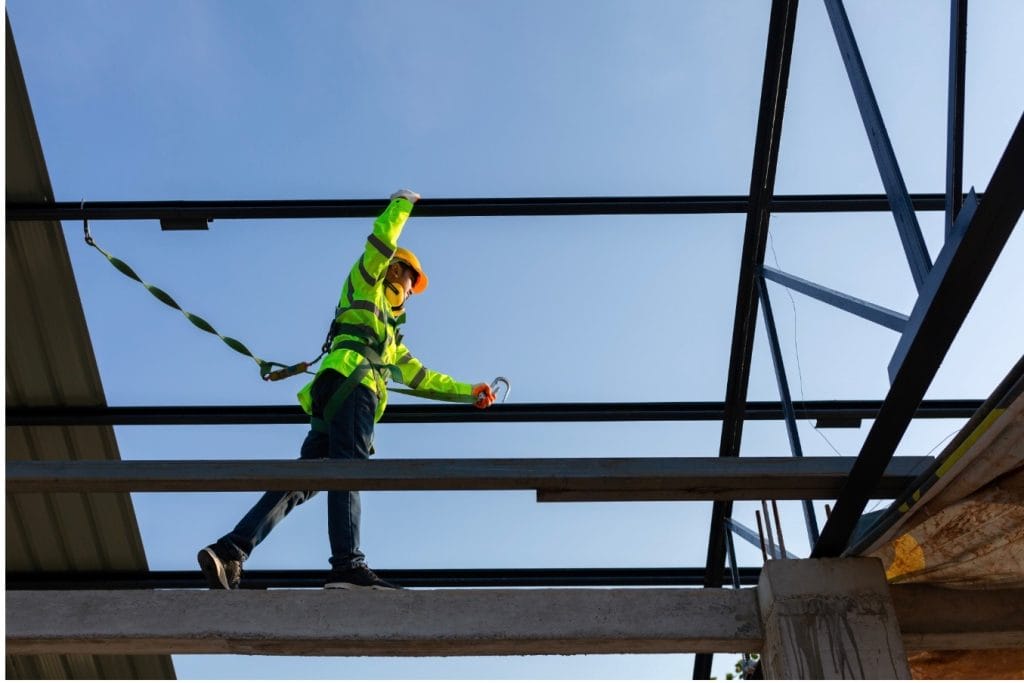
5. Ask About Safety Programs and OSHA Compliance
Safety is non-negotiable on commercial job sites.
A reputable contractor should have:
- A written safety plan
- OSHA-compliant practices
- Regular safety training for crews
- Clear jobsite supervision
Ask how safety is enforced daily—not just documented on paper.
Learn more about Health & Safety Programs
6. Review Project Management and Communication Practices

Commercial projects require constant coordination between:
- Owners
- Architects and engineers
- Inspectors
- Subcontractors
- Utility providers
Ask:
- Who will be your main point of contact?
- How often will you receive updates?
- How are issues and change orders handled?
Clear communication prevents misunderstandings, delays, and budget overruns.
Learn more about Commercial Construction:
7. Understand Scheduling and Timeline Controls
Commercial construction timelines are often tied to:
- Tenant occupancy
- Lease agreements
- Revenue targets
- Financing milestones
Ask how the contractor:
- Develops project schedules
- Manages inspections and approvals
- Handles weather or supply delays
A reputable contractor builds realistic schedules—and has contingency plans.

8. Request References from Commercial Clients

Reputable contractors should have no issue providing references.
When speaking with references, ask:
- Was the project completed on time?
- How was communication handled?
- Were there unexpected costs?
- Would you hire them again?
Prior commercial clients provide the most reliable insight into performance.
9. Review Contract Transparency and Documentation
Your contract should clearly outline:
- Scope of work
- Payment schedule
- Timeline milestones
- Change order procedures
- Warranty information
Avoid contractors who use vague language or pressure you to sign quickly.

10. Look for Long-Term Partnership Potential

The best commercial contractors think beyond a single project.
They often provide:
- Ongoing maintenance support
- Future expansion planning
- Property management or site services
- Long-term relationships with owners
Choosing a contractor who understands your long-term goals can add value well beyond construction.
Learn more about Commercial Property Management
Why This Checklist Matters
Commercial construction mistakes are expensive. Hiring a contractor based solely on price can result in:
- Failed inspections
- Schedule delays
- Code violations
- Structural or drainage issues
- Legal and financial exposure
A reputable contractor protects your investment by planning thoroughly, executing professionally, and communicating clearly.
Work With a Contractor You Can Trust

At Construction Solutions, Inc., we provide commercial construction, excavation, site work, drainage, and septic services throughout Massachusetts, Southern New Hampshire, and Southern Maine.
Our team understands local regulations, complex site conditions, and the importance of delivering projects safely and efficiently.
Based in Amesbury, MA
View our Service Area: