

Table of contents
- Not All Septic Systems Are the Same
- 1. Conventional Gravity System
- 2. Pressure Distribution System
- 3. Mound System
- 4. Chamber System (Gravelless System)
- 5. Drip Distribution System
- 6. Recirculating Sand Filter System
- 7. Aerobic Treatment Unit (ATU)
- 8. Tight Tank
- Which System Is Right for You?
- How We Help
- Need a Septic System Installed?
Not All Septic Systems Are the Same
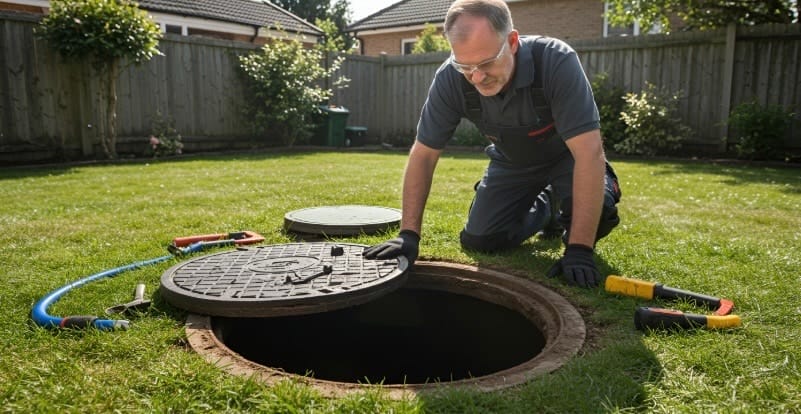
If you’re building a new home or replacing a failing system, choosing the right type of septic system is a crucial step.
Soil conditions, water table levels, lot size, and local regulations all influence which system is best for your property.
At Construction Solutions, Inc., we install and replace septic systems across Eastern MA, Southern NH, and Southern ME — from standard gravity-fed systems to advanced treatment units.
Here’s a breakdown of the most common types of septic systems, how they work, and when they’re used.
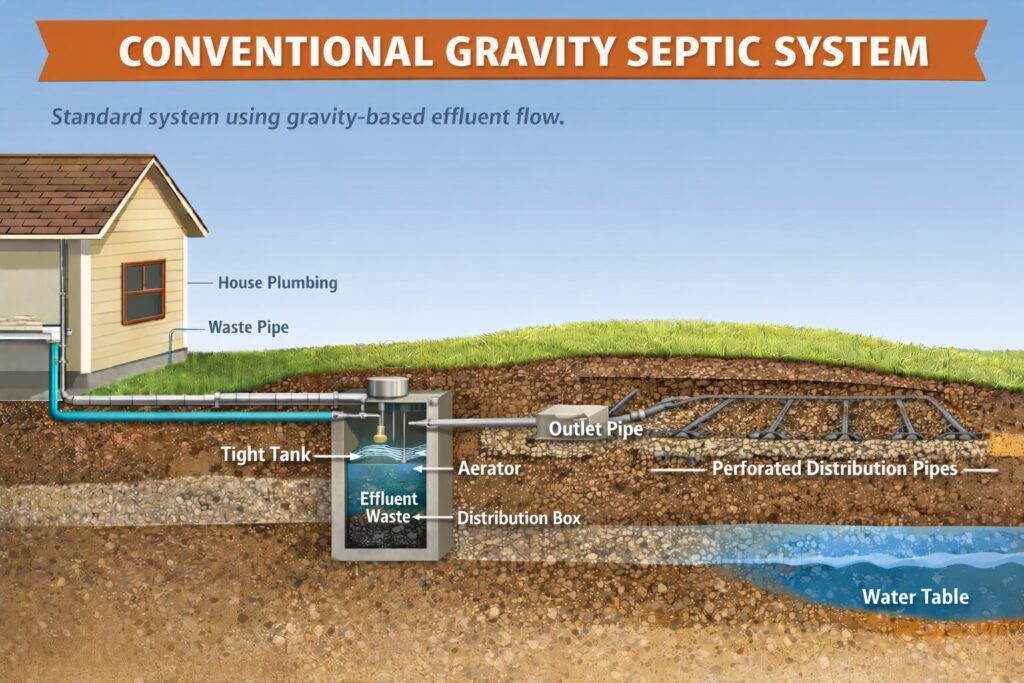
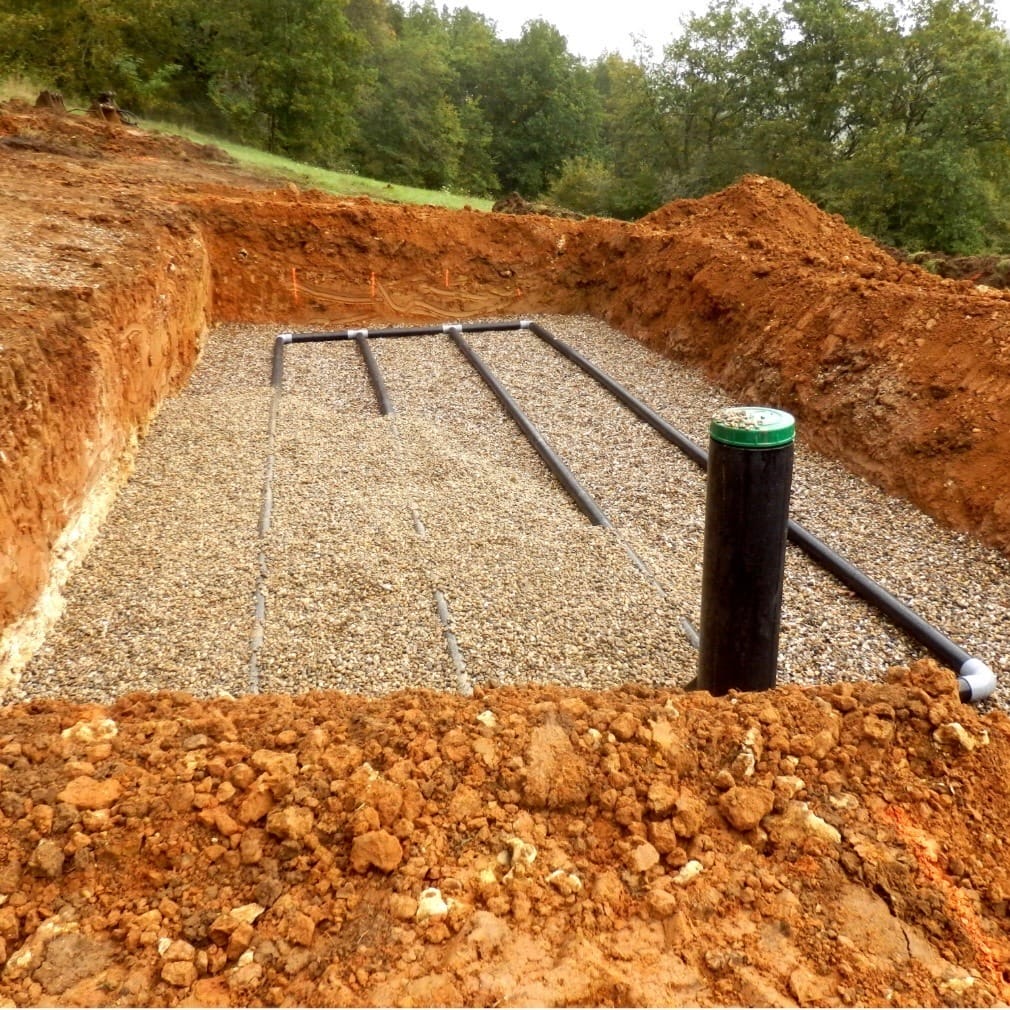
1. Conventional Gravity System
Best for: Properties with good soil and sufficient space
How it works: Wastewater flows by gravity from the home to the septic tank, then to a leach field where it is filtered by the soil.
✅ Most cost-effective
✅ Fewer mechanical parts
⛔ Requires suitable soil conditions and a good percolation rate
2. Pressure Distribution System

Best for: Sites with shallow soil or uneven terrain
How it works: Effluent is pumped from the septic tank to the leach field using a dosing chamber. This ensures even distribution over the entire leach area.
✅ Works on moderate slopes
✅ Prevents over-saturation of the leach field
⛔ Requires a pump, which adds maintenance
3. Mound System
Best for: High water table or shallow bedrock
How it works: A sand and gravel mound is built above ground to create an elevated leach field. Effluent is pumped into the mound, where it’s treated before reaching the soil.
✅ Ideal for poor soil conditions
✅ Elevated design protects groundwater
⛔ More costly and visible above ground

4. Chamber System (Gravelless System)

Best for: Sites with limited gravel supply or tighter spaces
How it works: Instead of gravel trenches, plastic chambers are used to distribute effluent. These systems are modular and quicker to install.
✅ Easier installation
✅ Compact design
⛔ Still depends on adequate soil for treatment
5. Drip Distribution System
Best for: Landscaped or wooded lots with little space
How it works: Wastewater is filtered and pumped through tubing installed just under the surface in a network of small drip emitters.
✅ Works with shallow soils
✅ Flexible layout
⛔ Requires filtration, a pump, and regular maintenance

6. Recirculating Sand Filter System

Best for: Environmentally sensitive areas or properties near water
How it works: Wastewater is filtered through sand in an above- or below-ground unit before being discharged to the leach field.
✅ High-quality treatment
✅ Great for lakefront or protected lots
⛔ Higher installation and maintenance costs
7. Aerobic Treatment Unit (ATU)
Best for: Small lots, poor soils, or when advanced treatment is required
How it works: Like a mini wastewater treatment plant, ATUs use oxygen and bacteria to break down waste more efficiently than a traditional tank.
✅ Excellent treatment level
✅ Smaller leach fields
⛔ Requires electricity and ongoing maintenance

8. Tight Tank

Best for: Properties with no viable drainage or extreme soil limitations
How it works: A sealed tank collects all wastewater, which must be pumped regularly. No discharge to soil.
✅ Last-resort option for extreme sites
⛔ Requires frequent pumping and ongoing cost
⛔ Not ideal for full-time residences
Which System Is Right for You?
Every property is different.
Choosing the right septic system depends on:
- Local health department requirements
- Percolation test results
- Lot size and slope
- Proximity to wetlands or water bodies
- Intended usage (year-round vs seasonal)
If you live in Massachusetts, we recommend you understanding Title V regulations:
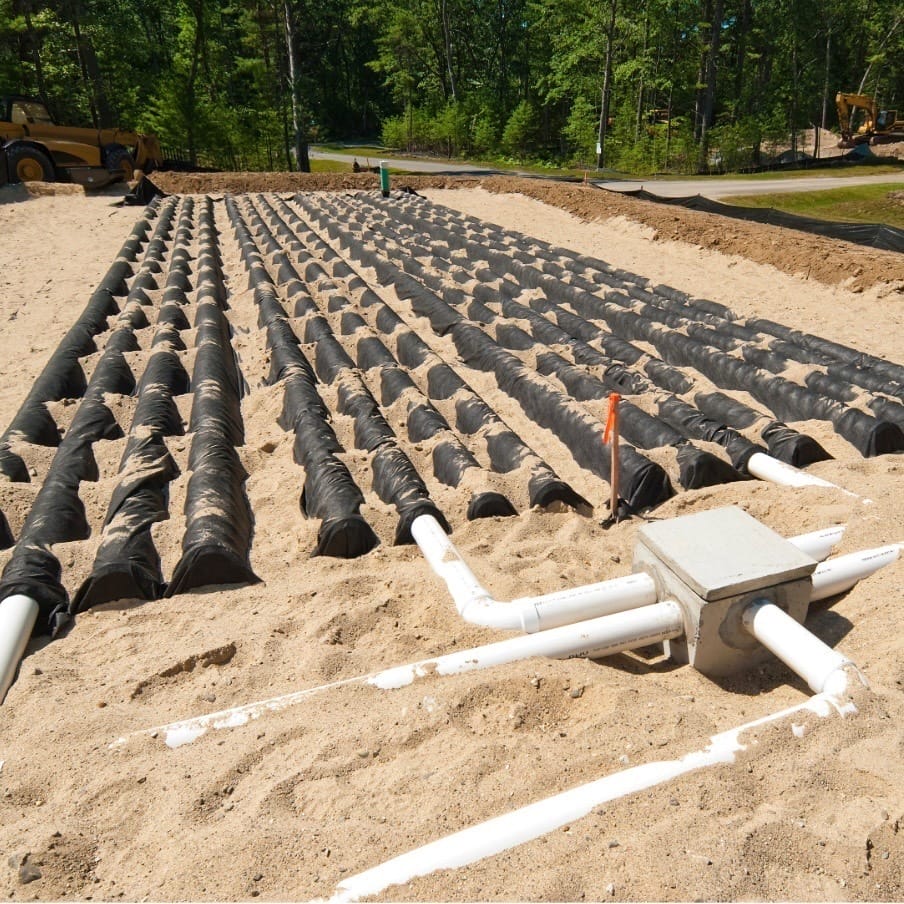
Trusted Resources for septic regulations:
How We Help
At Construction Solutions, Inc., we handle:
- Permitting and Title 5 compliance (for Massachusetts)
- Excavation, tank, and drainfield installation
- Final grading and landscape restoration
Serving Eastern MA, Southern NH & Southern ME
Learn more about CSI’s Septic System Installations: