

What Massachusetts Homeowners and Sellers Need to Know
Table of contents
- What Massachusetts Homeowners and Sellers Need to Know
- Selling a Home in Massachusetts? You’ll Likely Need a Title V Inspection
- What Is Title V?
- When Is a Title V Inspection Required?
- Who Performs the Inspection?
- What Happens During a Title V Inspection?
- What Do the Results Mean?
- What If My System Fails?
- How Long Is a Title V Inspection Valid?
- Don’t Wait Until the Last Minute
- Title V Septic System Replacement
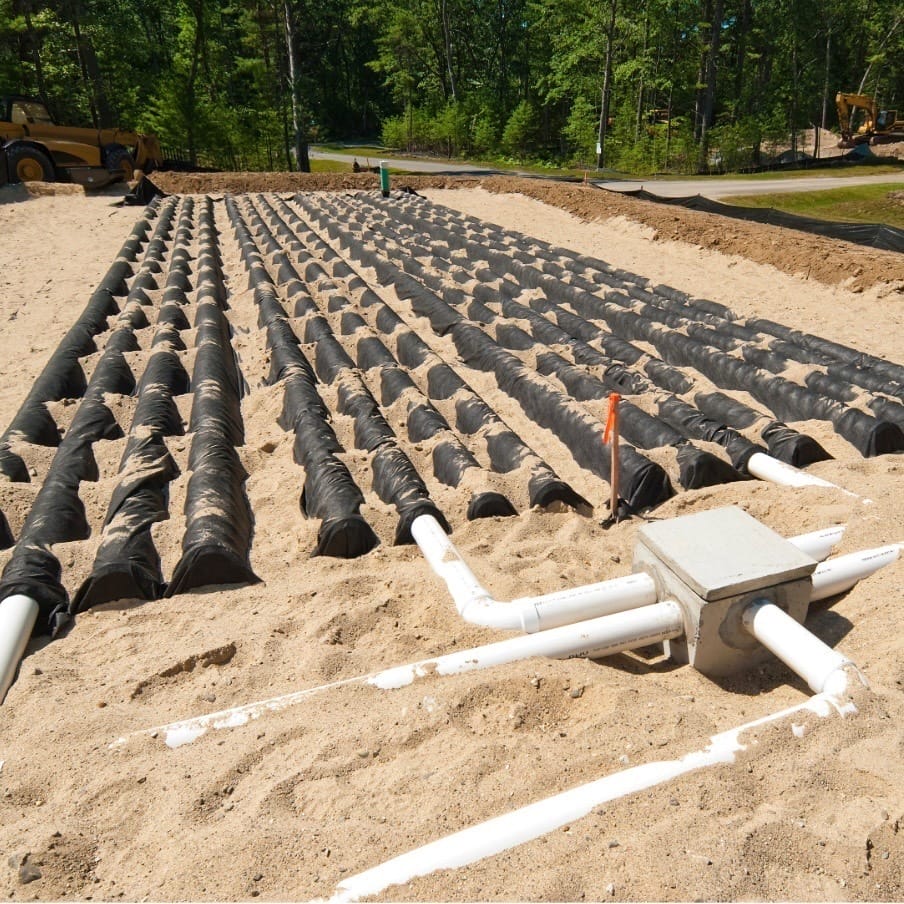
Selling a Home in Massachusetts? You’ll Likely Need a Title V Inspection

If your property has a septic system, then Massachusetts law requires a Title V inspection (also written as “Title 5”) before the sale or transfer of your home.
This isn’t just a formality — it’s a state-mandated environmental regulation that protects public health and local waterways.
Here’s what you need to know:
What Is Title V?
Title V refers to state regulation 310 CMR 15.000, the section of Massachusetts environmental law that governs on-site sewage disposal (septic systems).
The law is enforced by:
- The Massachusetts Department of Environmental Protection (MassDEP)
- Local Boards of Health
Title V outlines how septic systems must be designed, installed, used, and inspected — and it’s especially strict when it comes to property transfers.

When Is a Title V Inspection Required?

Title V inspections are to verify the proper function and maintenance of a septic system ensuring it does not pose a threat to the environment or public health.
You’ll need a Title V inspection if:
- You’re selling a home or property with a septic system
- Refinancing and your lender requests it
- Building or expanding a structure with plumbing
- Dividing a property or changing its use
Note: In most cases, the seller is responsible for the inspection.
Who Performs the Inspection?
Only a state-certified Title V inspector can perform the evaluation.
Construction Solutions, Inc. works with licensed inspectors and can coordinate the replacement and repairs needed to bring your system into compliance.
Learn about common signs you septic system needs replacement:

What Happens During a Title V Inspection?
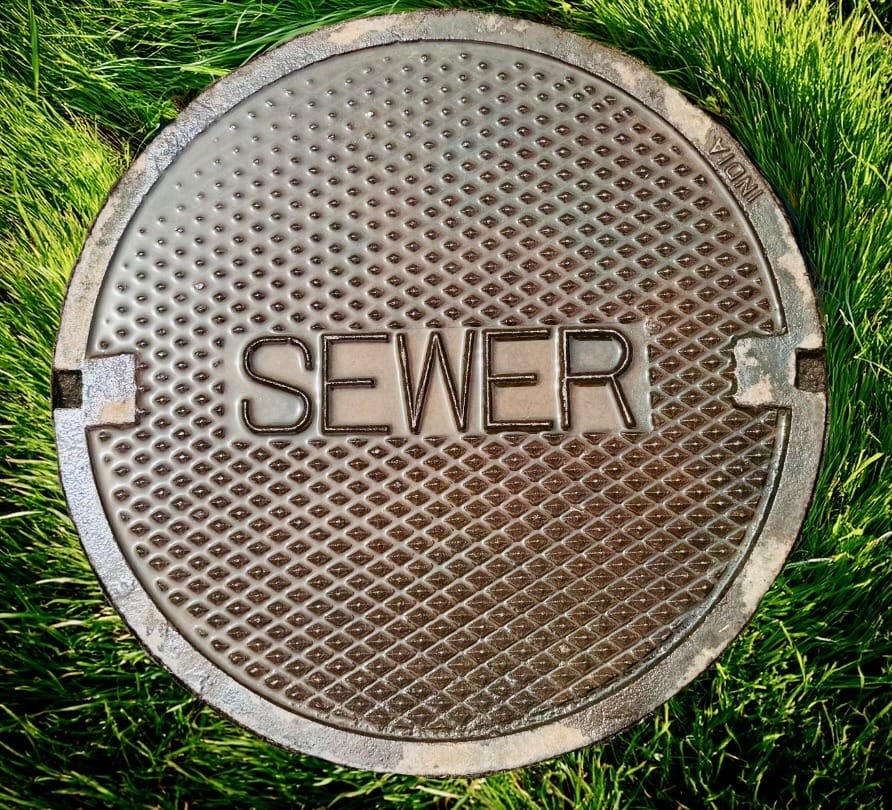
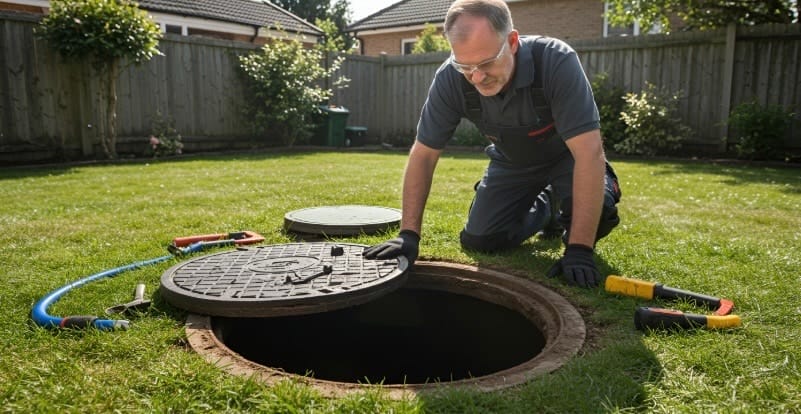
The inspector will:
- Locate and uncover the septic tank and distribution box
- Evaluate tank integrity and sludge levels
- Check for backup, saturation, or failed components
- Inspect the leach field and measure water levels
- Record usage, maintenance history, and household occupancy
- File an official report with the local Board of Health
You’ll receive a pass/fail determination in your detailed report.
The inspector will also submit a report to the Board of Health within 30 days of the inspection.
What Do the Results Mean?
- ✅ Pass: The system is functioning and compliant for at least the next 2 years.
- ⚠️ Conditional Pass: The system needs minor repairs (e.g., baffle or cover replacement) and a timeline for repair is given.
- ❌ Fail: The system must be replaced or upgraded within 2 years, sometimes sooner if the failure poses a public health threat.
What If My System Fails?

A failed system doesn’t mean your property is unsellable — but it does require action.
You’ll need to:
- Hire a licensed designer to draft a new system plan, they will also help with the permitting process
- Submit it for Board of Health approval
- Once approved and permits are secured, you hire a licensed contractor to install the septic. (that’s us!)
- Your new system is installed
- Have the new system inspected and approved
How Long Is a Title V Inspection Valid?
A passing Title V report is valid for:
- 2 years from the date of inspection
- It can be extended to 3 years with documented annual pumping records are provided
The inspection must be completed within the two years prior to the sale of the property.
If weather conditions prevent an inspection before a sale, it can be completed up to six months afterward, provided the buyer is notified in writing.

Don’t Wait Until the Last Minute

Failing to complete a Title V inspection before selling your property can delay closing — or worse, kill the deal.
Whether you’re planning ahead or already under contract, early action saves time and stress.