
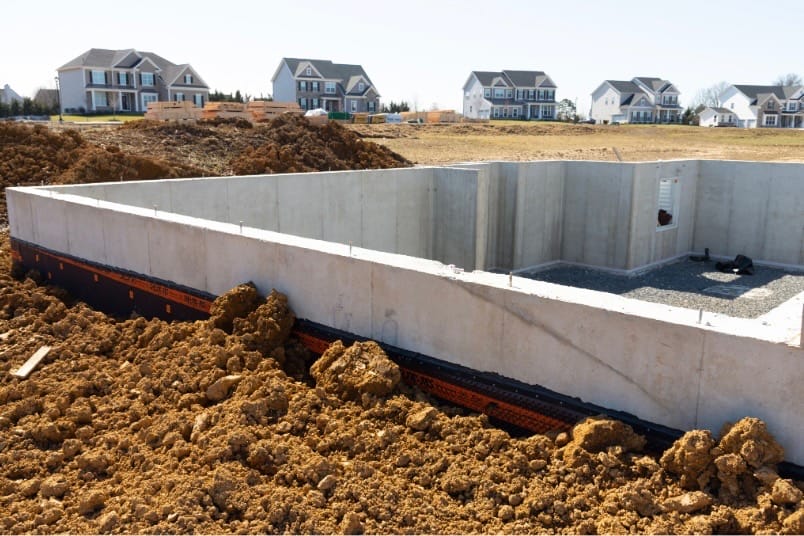
Residential Excavation & Site Work Resources
Building or improving a home involves more than hiring a contractor, it requires planning, budgeting, site preparation, permitting, structural understanding, and long-term durability.
Excavation and site work is one of the most important phases of any construction or property improvement project. From preparing land for a new home to solving drainage issues around an existing foundation, quality excavation and site work directly affect the safety, longevity, and performance of a property. At Construction Solutions, Inc., we believe property owners should have access to reliable information before starting major projects involving excavation, grading, drainage, septic systems, utilities, or foundation work.
This residential excavation resource hub was created to help homeowners, property managers, builders, and real estate investors throughout Massachusetts, Southern New Hampshire, and Southern Maine better understand the site work process. This resource center is designed to provide educational content, planning guidance, seasonal considerations, and practical insights gathered from real residential excavation projects across New England. Our goal is to provide useful information that helps you make informed decisions before construction begins.




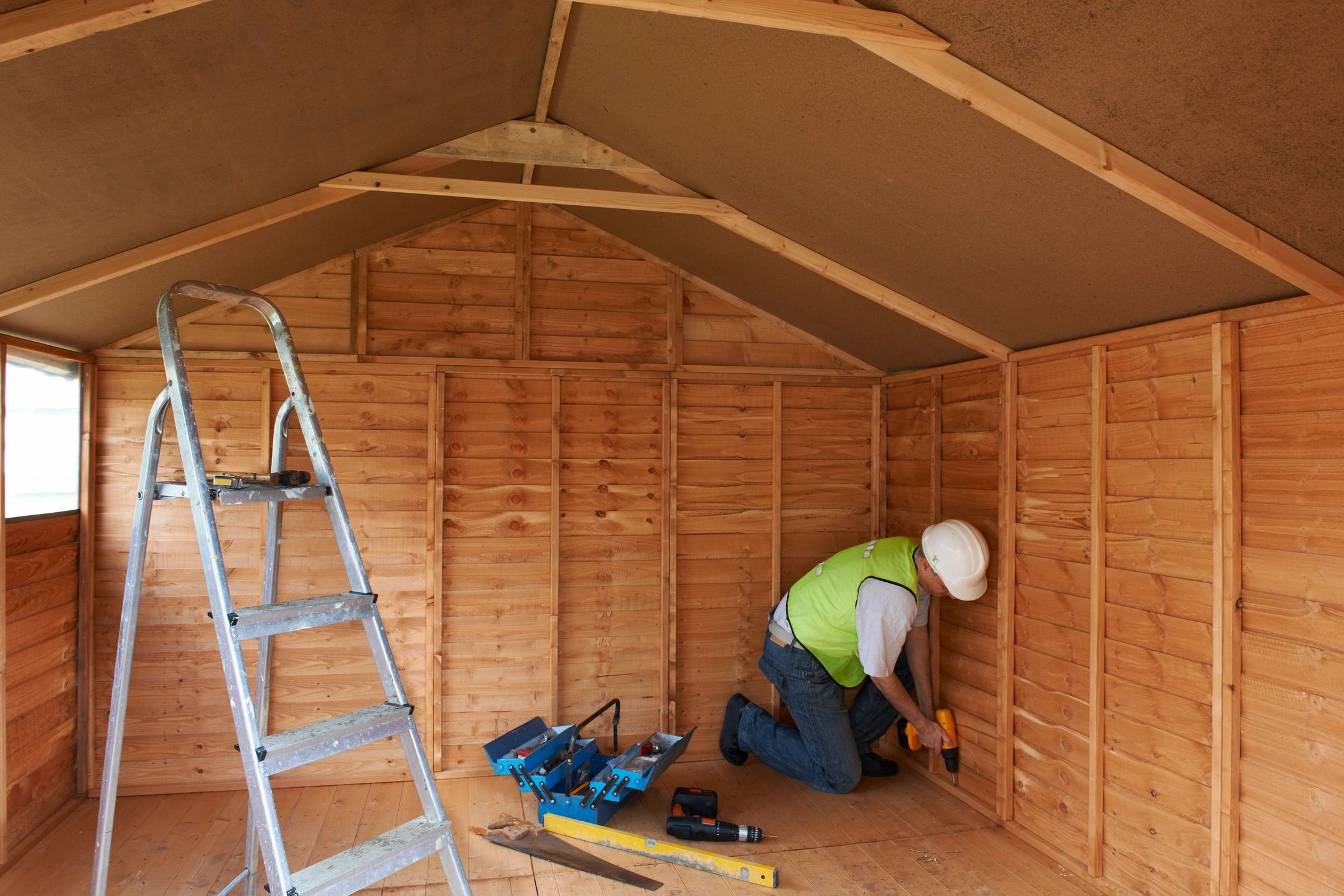
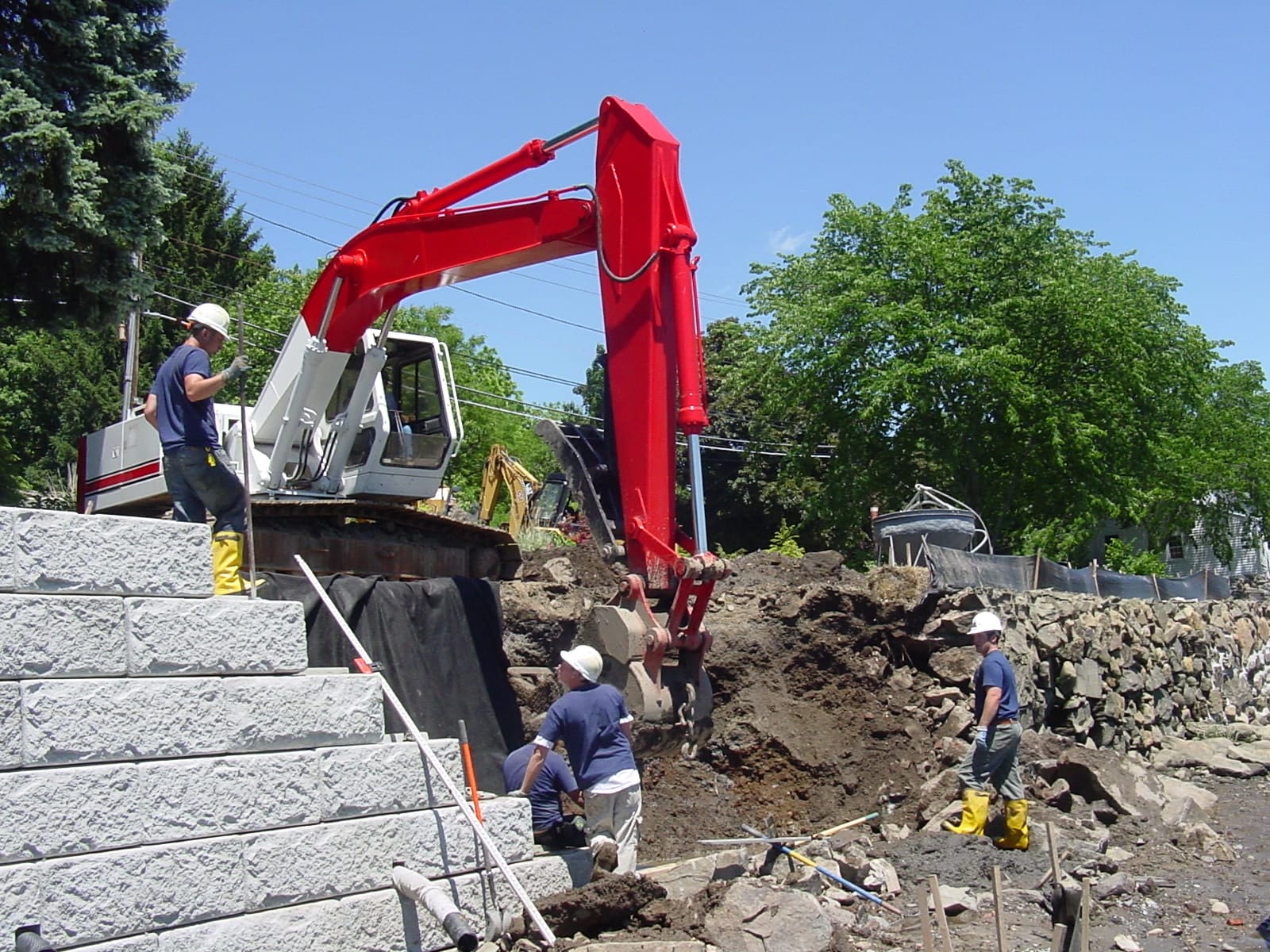
The Importance of Site Preparation before Construction Begins
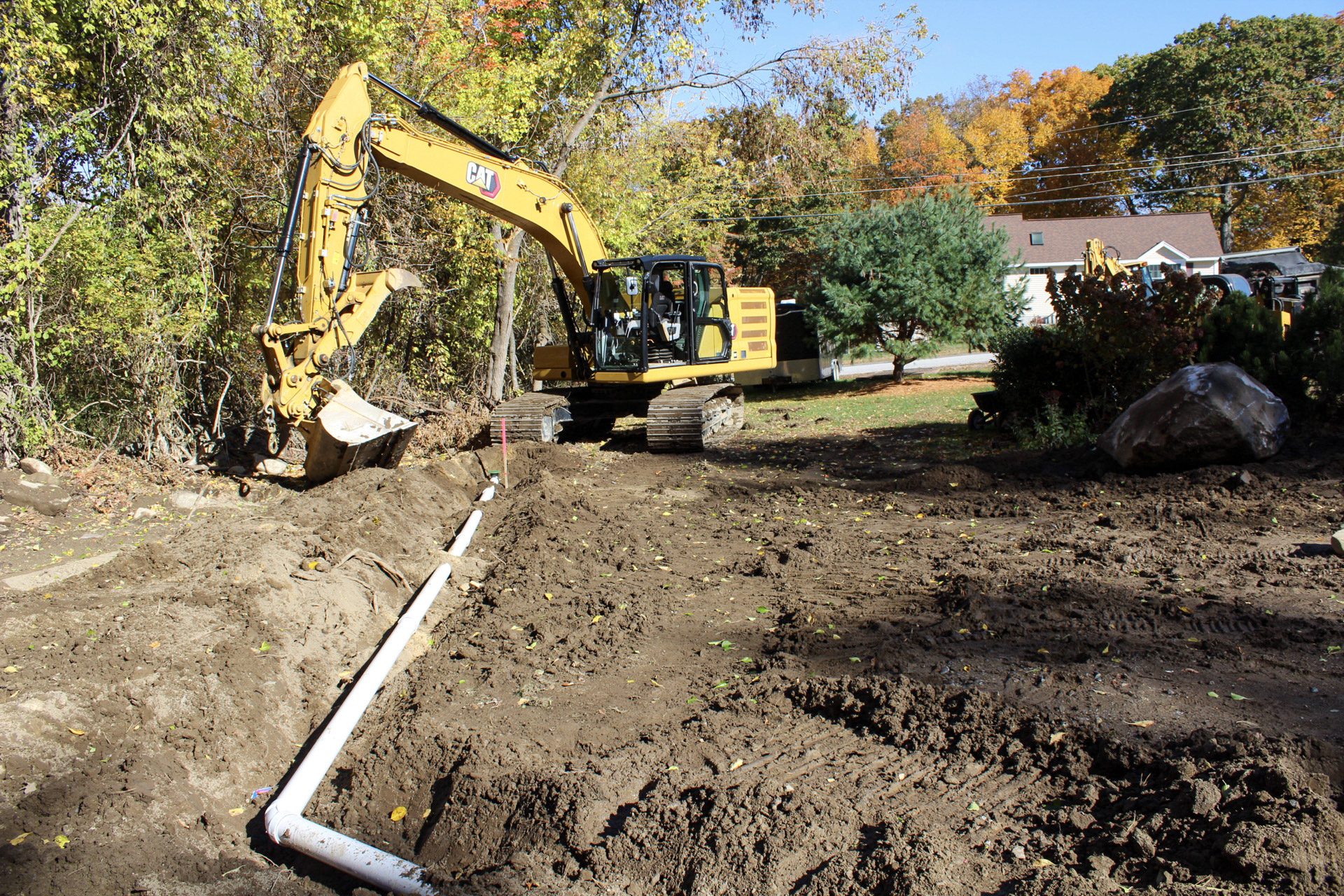
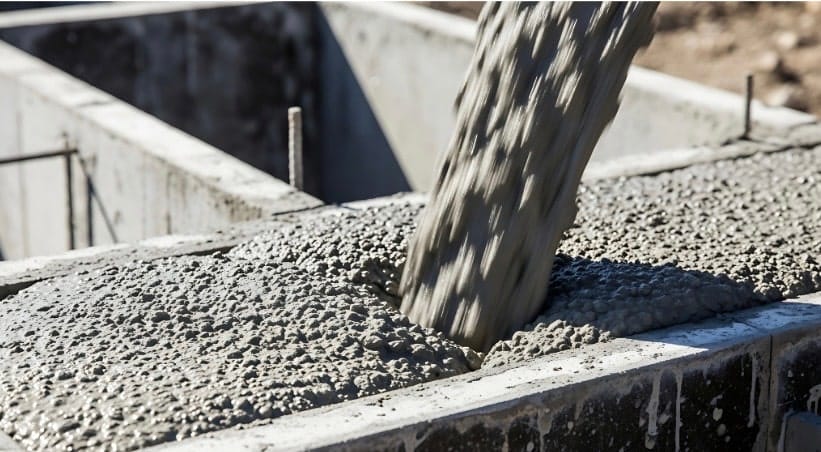
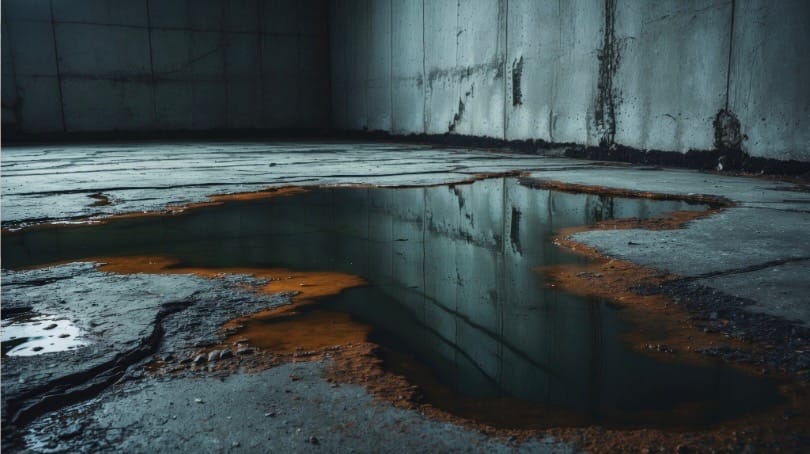
Site preparation helps create stable ground conditions for foundations, utilities, drainage systems, and structural support. Proper excavation, grading, and soil preparation reduce the risk of settlement issues, standing water, erosion, and drainage problems that can affect long-term property performance.
Site preparation may include:
- Excavation and land clearing
- Utility locating, installation or replacement
- Installation of drainage systems, such as a permitter drain
- Structural support for new construction or existing structures
- Grading and compaction of land
Excavation is typically one of the earliest phases of construction and helps prepare the property for safe and efficient building.

In New England, many homes are built on challenging terrain that includes rocky soils, clay-heavy ground conditions, wetlands, sloped lots, or older infrastructure. These factors can significantly affect project timelines and costs. A properly planned excavation project helps reduce future issues like water intrusion, settling foundations, frost heaving, drainage failures, and erosion damage.
Massachusetts homeowners often discover that excavation becomes necessary during larger property improvements. Projects like home additions, detached garages, accessory dwelling units, drainage corrections, foundation replacements, and septic upgrades typically require some level of site work before construction can proceed safely.
Because excavation affects nearly every phase of construction, working with experienced contractors who understand local conditions can help prevent costly delays and structural problems later in the project lifecycle.
Drainage, Grading & Foundation Protection
One of the most common residential problems in Massachusetts is poor drainage around foundations. Water management is often overlooked until property owners experience basement leaks, standing water, foundation cracks, frost damage, or erosion issues. Proper grading and drainage design play a major role in protecting both new and existing structures.
Residential drainage solutions may include:
- Foundation perimeter drains
- Surface grading corrections
- French drains
- Dry wells
- Swales and runoff management
- Curtain drains
- Catch basins
- Downspout drainage extensions
- Retaining wall drainage systems
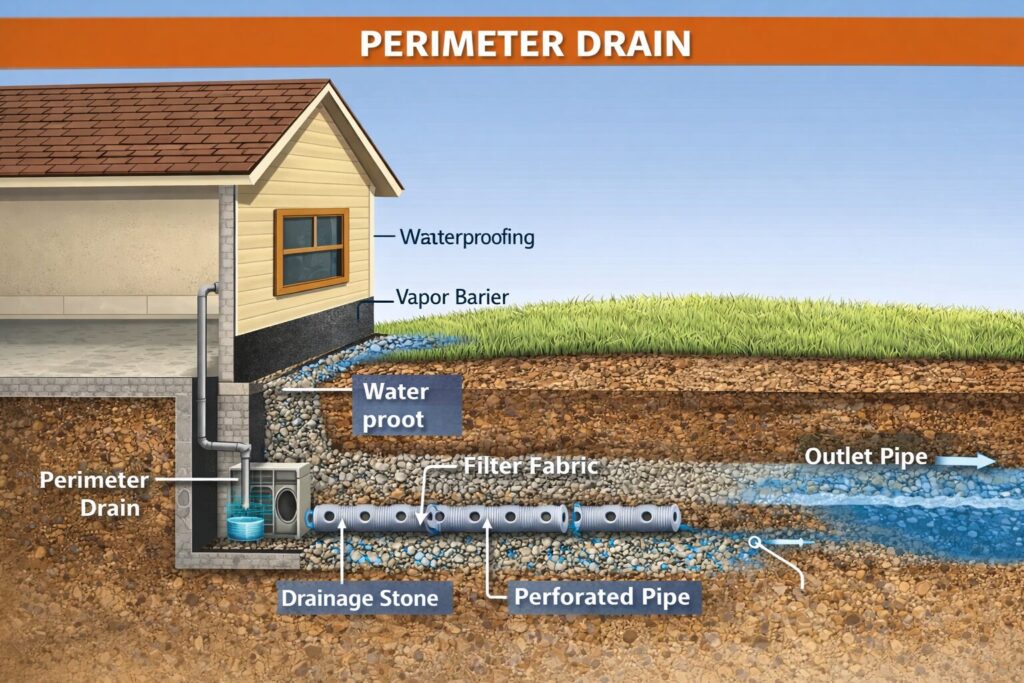
In regions throughout Eastern Massachusetts and coastal New England, freeze-thaw cycles create additional pressure on foundations and surrounding soils. Water that is not properly directed away from structures can freeze during winter months, expand within the soil, and contribute to structural movement or cracking.
Drainage planning becomes especially important during projects involving:
- Home additions
- Garage construction
- Foundation replacements
- New driveways
- Landscaping upgrades
- Retaining walls
- Basement waterproofing
- Septic system installation
Property owners are often surprised to learn that many long-term structural issues begin with improper grading rather than foundation defects alone. Addressing drainage early during excavation work is typically far more cost-effective than repairing water damage after construction is complete.
Septic Systems & Rural Property Development
Many residential properties across Massachusetts, Southern New Hampshire, and Southern Maine rely on private septic systems rather than municipal sewer connections. Septic installation requires careful planning, engineered system design, soil testing, permitting, and excavation coordination.
Several factors influence septic system selection, including:
- Soil composition
- Groundwater elevation
- Lot size
- Local board of health requirements
- Household occupancy
- Drainage conditions
- Property topography
Massachusetts septic regulations can be complex, especially for older properties undergoing renovations or additions. Expanding a home, converting seasonal properties to year-round use, or adding accessory dwelling units may trigger septic upgrade requirements depending on local regulations and system capacity.
Excavation contractors play a critical role in septic projects by handling:
- Site preparation
- System excavation
- Tank placement
- Leaching field installation
- Utility trenching
- Final grading and restoration
New England weather conditions also affect septic installation schedules. Wet spring conditions, frozen winter ground, and high groundwater levels can all influence excavation timelines and construction sequencing.
Excavation Challenges Unique to New England
Residential excavation in New England presents challenges that differ significantly from other regions of the country. Massachusetts properties often contain older infrastructure, buried ledge, shallow utilities, tight access areas, historic foundations, and difficult seasonal conditions.
Some of the most common regional excavation challenges include:
Rocky & Ledge Conditions
Large sections of Massachusetts contain glacial till, granite, and buried rock formations that complicate excavation. Removing or working around ledge often requires specialized equipment and careful planning.
Seasonal Weather Impacts
Winter excavation can involve frozen ground, snow management, limited daylight hours, and unstable thaw conditions. Spring projects frequently encounter excess groundwater and muddy soil conditions that affect access and grading.
Older Residential Infrastructure
Many New England homes were built decades ago with aging drainage systems, clay sewer lines, fieldstone foundations, or undocumented utility paths. Excavation near older homes requires precision and caution.
Tight Property Access
Urban and suburban properties throughout Eastern Massachusetts often have limited access areas between structures, fences, landscaping, and neighboring properties. Smaller equipment or vacuum excavation methods may be required in confined spaces.
Environmental & Permit Considerations
Wetlands regulations, erosion control requirements, and municipal permitting can all affect excavation planning. Experienced contractors help property owners navigate these requirements before work begins.
Understanding these regional conditions helps homeowners set realistic expectations regarding excavation timelines, costs, and project coordination.
Frequently Asked Questions
Before excavation begins, homeowners should understand property access, underground utility locations, drainage conditions, and local permitting requirements. A professional excavation contractor will evaluate soil conditions, grading needs, and site safety to help prevent costly surprises during construction. For more in-depth guidance, you can read our resource page, “What to Expect During Site Preparation: Timeline & Steps.”
Improper excavation can create standing water, foundation settlement, or erosion problems. Proper grading and site preparation help direct water away from structures and improve long-term drainage performance across the property.
Different soil types react differently to moisture, compaction, and construction loads. Evaluating soil conditions helps determine the best excavation methods, compaction requirements, and drainage solutions for a stable building site.
Yes. Proper excavation and site preparation can improve drainage, increase usable land area, support new construction, and create better curb appeal, all of which can contribute to higher property value.
Grading involves shaping and leveling the land to establish proper elevations and slopes, while drainage work focuses on directing water away from structures and preventing water accumulation. Both systems work together to protect foundations, landscaping, and surrounding site conditions.
Professional excavation contractors use controlled excavation methods, proper shoring, grading practices, and utility locating procedures to reduce risks to foundations, driveways, retaining walls, and neighboring properties.
Rocky soils, ledge, groundwater, frost conditions, and older underground utilities are common excavation challenges throughout Massachusetts, Southern New Hampshire, and Southern Maine. Experienced contractors plan for these conditions to keep projects moving efficiently.
Proper site preparation creates stable soil conditions and drainage patterns that support lawns, patios, retaining walls, and planting areas. Poor preparation can lead to erosion, uneven settling, and water issues later.
Compaction reduces air pockets in the soil and creates a stable base for foundations, driveways, patios, and other structures. Inadequate compaction can result in settling and structural problems over time.
Spring through fall is typically ideal for excavation work in the Northeast because ground conditions are more workable. However, project timing also depends on weather, drainage conditions, permitting, and construction schedules.
Ready to Break Ground?
At Construction Solutions, Inc., we provide homeowners throughout Massachusetts, Southern New Hampshire, and Southern Maine with professional residential construction services backed by over 40 years of experience.