

Table of contents
- Understanding Site Work Costs
- What Is Site Work?
- Why Site Work Costs Vary So Much
- 1. Soil Conditions and Subsurface Materials
- 2. Ledge and Rock Excavation
- 3. Size and Complexity of the Project
- 4. Access to the Site
- 5. Drainage and Stormwater Requirements
- 6. Septic Systems and Wastewater Management
- 7. Permits, Engineering, and Regulatory Requirements
- 8. Utility Availability and Coordination
- 9. Weather and Seasonal Timing
- 10. Change Orders and Scope Adjustments
- How to Keep Site Work Costs Under Control
- Why Choosing the Right Contractor Matters
- Final Thoughts
- About Construction Solutions, Inc.
- Get A Free Site Walk

Understanding Site Work Costs

Site work is one of the most important—and often least understood—parts of any construction project.
Whether you’re building a new home, adding an addition, or developing a commercial property, site work lays the groundwork for everything that follows. Yet for many property owners, site work costs can feel unpredictable or unclear.
Understanding what drives site work pricing helps you plan more accurately, avoid surprises, and make informed decisions early in the process.
This guide explains what site work includes, what factors raise or lower costs, and how to manage your budget effectively.
What Is Site Work?
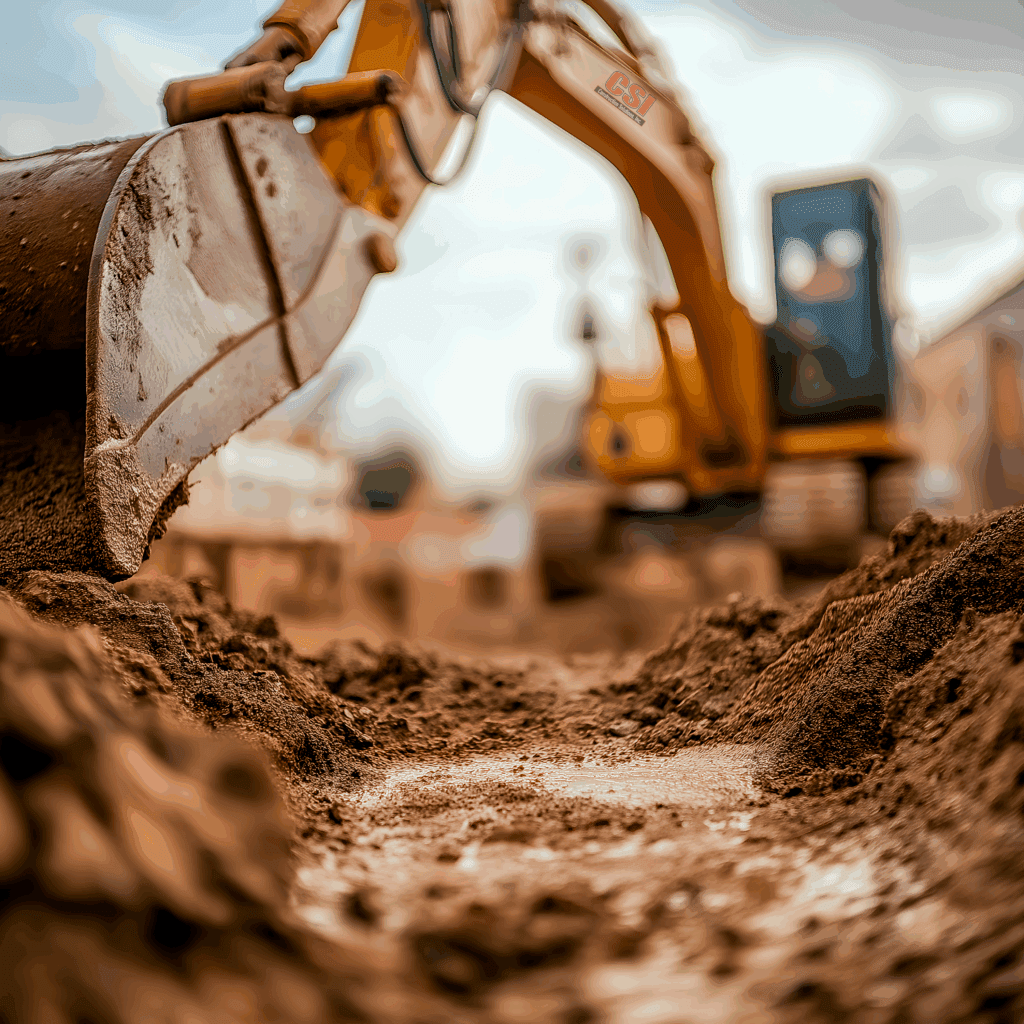
Site work refers to all the preparation and infrastructure work required to make a property ready for construction.
It typically includes:
- Land clearing and grubbing
- Excavation and grading
- Foundation excavation
- Utility trenching and connections
- Drainage and stormwater management
- Septic system installation (where applicable)
- Backfilling and compaction
- Access roads and staging areas
Because site work happens before the building goes up, it often involves unknowns beneath the surface—which is why costs can vary widely.
Why Site Work Costs Vary So Much

No two properties are the same.
Site work pricing depends on a combination of physical site conditions, regulatory requirements, access constraints, and project scope.
In New England especially, soil conditions, ledge, groundwater, and weather all play a major role.
Below are the key factors that most directly influence whether site work costs go up or down.
1. Soil Conditions and Subsurface Materials
Soil type is one of the biggest cost drivers in site work.
Lower-cost conditions:
- Sandy or loamy soils
- Well-draining ground
- Minimal rock or ledge
Higher-cost conditions:
- Heavy clay
- Shallow bedrock or ledge
- Poorly draining soils
- High groundwater
Rock excavation, in particular, can significantly increase costs due to specialized equipment, additional labor, and disposal requirements.

2. Ledge and Rock Excavation

In many parts of Massachusetts, New Hampshire, and Maine, ledge is common—and expensive.
Rock increases costs because:
- Specialized equipment may be required
- Excavation takes longer
- Blasting or hammering may be necessary
- Disposal fees are higher
Even small amounts of unexpected ledge can impact timelines and budgets.
3. Size and Complexity of the Project
Larger projects naturally require more excavation, materials, and labor—but complexity matters just as much as size.
Factors that increase complexity include:
- Multiple structures
- Tight lot lines
- Phased construction
- Mixed-use or commercial layouts
A smaller but complicated site can cost more than a larger, straightforward one.
4. Access to the Site

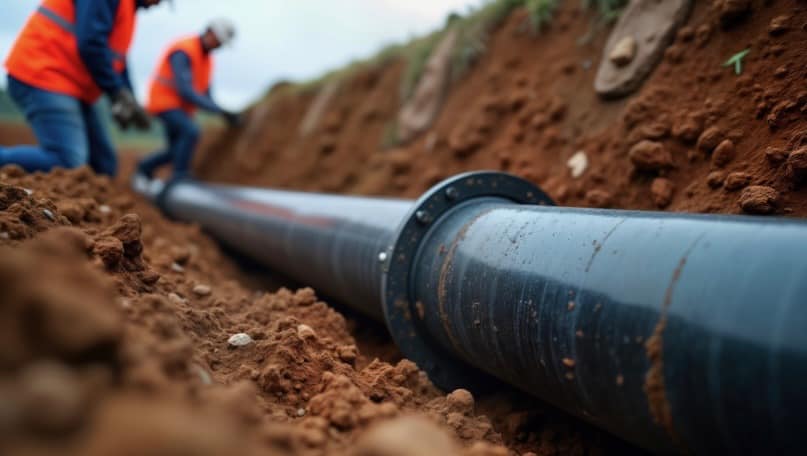
How easily equipment and materials can access the site has a major impact on cost.
Lower-cost access:
- Wide driveways or open lots
- Level terrain
- Room for staging equipment
Higher-cost access:
- Narrow driveways
- Steep slopes
- Urban or tight residential neighborhoods
- Limited equipment maneuverability
Restricted access often requires smaller equipment, more labor, and longer timelines.
Pro Tip: Vacuum Excavation is invaluable for tight spaces.
Learn more about Vacuum Excavation:
5. Drainage and Stormwater Requirements
Drainage is one of the most overlooked cost factors—until it becomes a problem.
Site work costs increase when:
- Drainage systems are required by code
- Stormwater management plans are needed
- Foundation drainage is extensive
- Dry wells, catch basins, or detention systems are required
Proper drainage protects your foundation and prevents future issues, but it must be accounted for early.

6. Septic Systems and Wastewater Management

For properties without municipal sewer, septic systems add another layer of site work.
Costs vary based on:
- Soil testing results
- System type
- Lot size and layout
- Local Board of Health requirements
Advanced or alternative septic systems typically cost more due to design and installation complexity.
7. Permits, Engineering, and Regulatory Requirements
Regulatory requirements don’t just affect paperwork—they impact site work scope and cost.
Additional expenses may include:
- Engineering plans
- Surveying
- Soil testing
- Conservation Commission filings
- Inspections and revisions
In New England, requirements can vary significantly by town.

8. Utility Availability and Coordination

Connecting to utilities isn’t always straightforward.
Costs increase when:
- Utilities are far from the structure
- Trenches must cross driveways or roadways
- Coordination with utility companies causes delays
- Existing utilities must be protected or relocated
Early coordination can help minimize surprises.
9. Weather and Seasonal Timing
Weather plays a major role in site work pricing.
Lower-cost timing:
- Dry conditions
- Stable ground
- Predictable weather windows
Higher-cost timing:
- Winter excavation
- Spring thaw and mud season
- Periods of heavy rain
Working in poor conditions slows production and increases labor and equipment time.

10. Change Orders and Scope Adjustments

Changes during site work are often expensive because:
- Equipment may need to be remobilized
- Inspections may need to be repeated
- Materials may need to be reordered
Clear planning upfront is the best way to control change-related costs.
How to Keep Site Work Costs Under Control
While some factors are unavoidable, there are ways to manage site work costs effectively:
- Conduct soil testing early
- Use experienced local contractors
- Address drainage during initial planning
- Design with site conditions in mind
- Allow contingencies in your budget
- Avoid rushing into excavation without permits
Experienced contractors anticipate challenges and plan accordingly.

Why Choosing the Right Contractor Matters
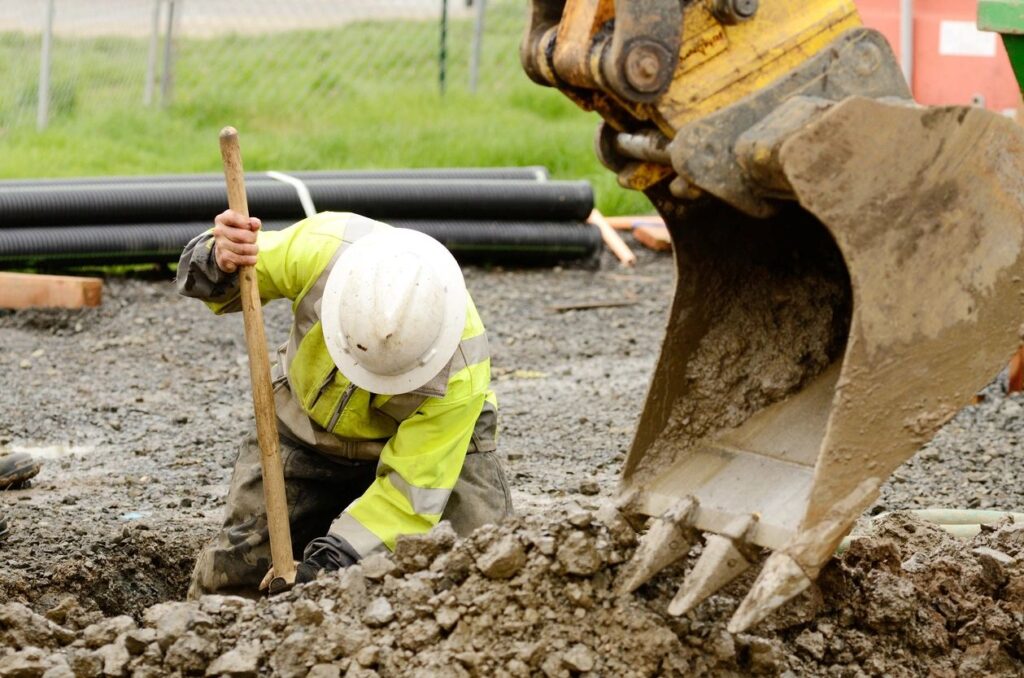
Site work is not the place to cut corners. Poor site preparation can lead to:
- Foundation problems
- Drainage failures
- Failed inspections
- Long-term structural issues
A contractor with experience and local knowledge understands regional soil conditions, permitting processes, and best practices—saving money over the life of the project.
Final Thoughts
Site work costs vary because no two properties are alike. Understanding what drives prices up or down helps property owners make informed decisions, set realistic budgets, and avoid surprises.
With proper planning, experienced professionals, and a clear understanding of site conditions, site work becomes a controlled investment—not an unknown risk.

About Construction Solutions, Inc.

Construction Solutions, Inc. provides excavation, site work, drainage, septic, with both residential and commercial construction services throughout Massachusetts, Southern New Hampshire, and Southern Maine.
Based in Amesbury, MA, we help property owners plan and execute site development with confidence.
Learn more about Construction Solutions Inc: