

Vacuum Excavation Resources & Expert Insights
Vacuum excavation is one of the safest and most precise methods for digging near underground utilities, foundations and existing structures.
You will find expert resources covering hydro excavation safety, utility trenching, non-destructive digging methods, and more.





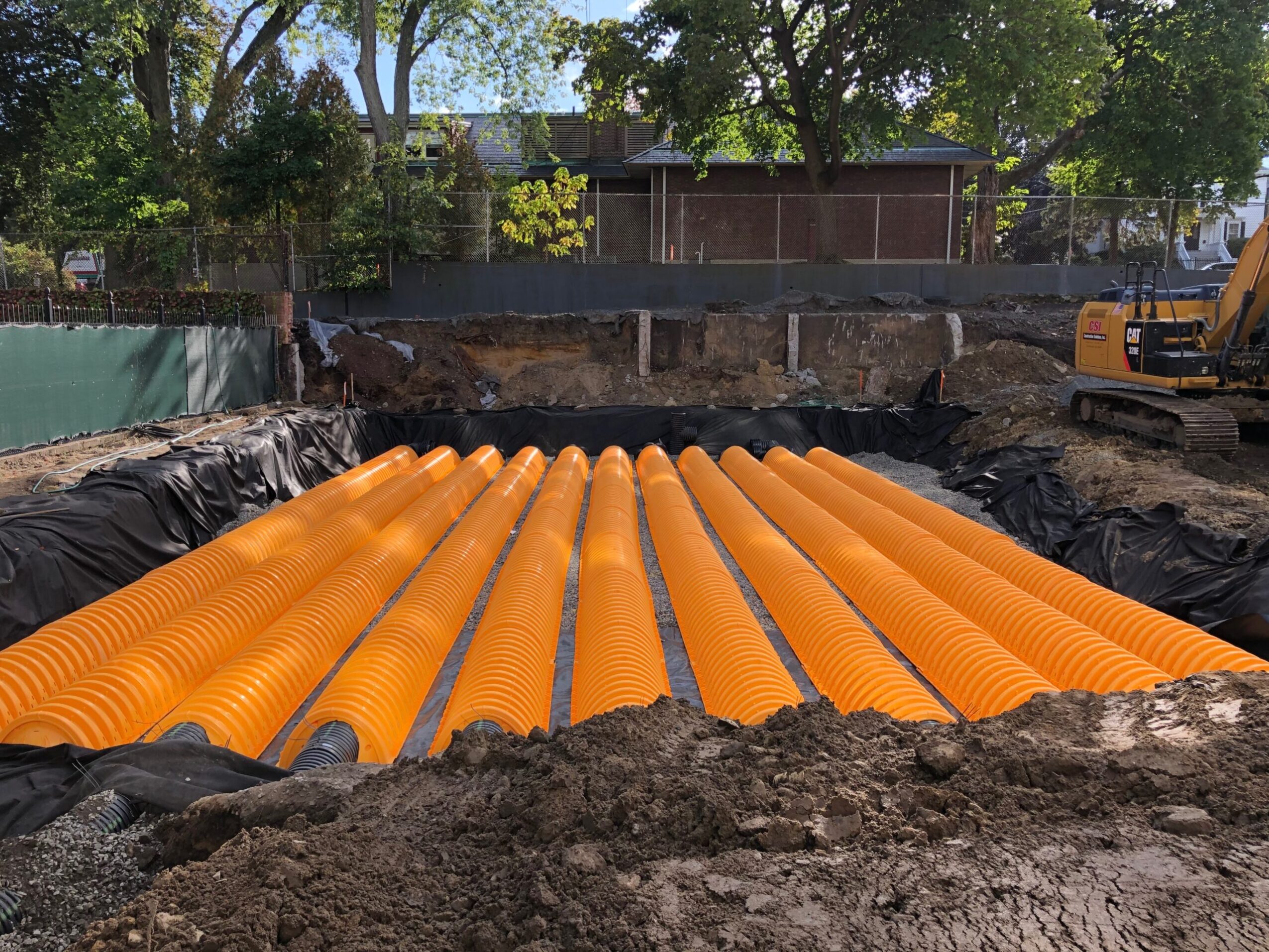


Benefits of Hydro Excavation
Hydro excavation is one of the most precise and efficient excavation methods available for residential, commercial, and municipal projects.
Unlike traditional digging methods that rely on heavy mechanical equipment alone, hydro excavation uses pressurized water and a powerful vacuum system to safely break up and remove soil with minimal disruption.
One of the biggest benefits of hydro excavation is accuracy. This method allows excavation crews to work safely around underground utilities, foundations, drainage systems, and other sensitive infrastructure without causing unnecessary damage. The excavation process is controlled and non-destructive, so surrounding soil remains more stable and compact.
Hydro excavation also reduces property damage and restoration costs. Traditional excavation equipment can disturb large areas of soil, landscaping, pavement, and nearby structures. Hydro excavation minimizes surface disruption, making it ideal for residential neighborhoods, tight-access areas, and developed commercial properties throughout Massachusetts and Southern New Hampshire.
Key benefits of hydro excavation include:
- Reduced risk of underground utility strikes
- Safer excavation near foundations and structures
- Increased jobsite safety
- Faster utility exposure and trenching
- Lower repair and restoration costs
- Cleaner and more controlled excavation
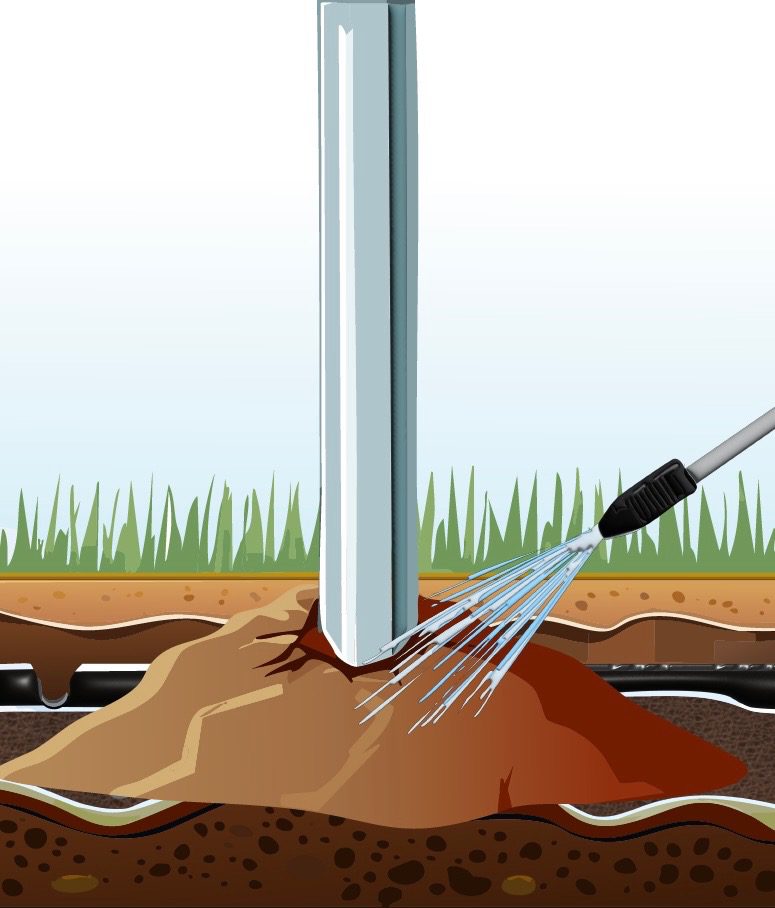
Why Vacuum Excavation is Safer Near Utilities
Excavating near underground utilities requires extreme caution. Damaging gas lines, water mains, electrical conduits, or communication lines can create dangerous conditions, costly repairs, and major service interruptions. Utilizing Hydro excavation technology is one of the safest methods for exposing and working around underground utilities.
Traditional excavation equipment such as backhoes and excavators can accidentally strike buried infrastructure, especially when utility locations are unclear or congested. Hydro excavation significantly reduces this risk by using pressurized water to carefully loosen soil while a high-powered vacuum system removes debris with precision.
This non-destructive excavation process allows crews to safely expose utilities without direct mechanical contact.
Utilize hydro excavation for:
- Utility locating and daylighting
- Sewer and water line repairs
- Electrical conduit installation
- Gas line exposure
- Pole and sign installations
- Trenching in congested utility corridors
Hydro excavation is especially valuable in older Massachusetts communities where underground utility systems may be difficult to locate accurately due to aging infrastructure and decades of prior development.

Benefits of Vacuum Excavation for Massachusetts Properties
Massachusetts properties often present unique excavation challenges due to older infrastructure, dense neighborhoods, varying soil conditions, and seasonal freeze-thaw cycles. Vacuum excavation provides a safer and more adaptable solution for many excavation projects throughout the region.
In historic communities such as Amesbury, Newburyport, and surrounding North Shore towns, excavation frequently takes place near older homes, aging foundations, and tightly spaced utilities. Traditional digging methods can increase the risk of structural damage, utility strikes, and unnecessary ground disturbance.
Vacuum excavation allows for more controlled digging in sensitive environments. Using pressurized water and vacuum technology, excavation is performed with greater precision, while minimizing disruption to nearby structures and underground systems.
New England weather and soil conditions also make vacuum excavation particularly beneficial. Frozen ground, compact soils, and fluctuating moisture levels can create challenges for traditional excavation equipment. Hydro excavation systems are capable of working more effectively in difficult conditions while maintaining precision and safety.
Our team understands the local challenges that impact excavation projects and uses methods designed to protect both property and infrastructure.
Vacuum Excavation Frequently Asked Questions
Vacuum excavation is a non-destructive digging method that uses pressurized air (vacuum excavation) or water (hydro excavation) to loosen soil while a high-powered vacuum removes debris at the same time. This process safely exposes underground utilities, pipes, and structures with minimal disruption to surrounding areas.
Traditional excavation uses mechanical equipment like backhoes and trenchers that can damage utilities, landscaping, or nearby structures. Vacuum excavation is far more precise, allowing contractors to excavate only the exact area needed while reducing the risk of costly damage and unnecessary property disturbance. Vacuum Excavation often can access where mechanical excavators can’t go. It is often used as a complement. Traditional mechanical excavation is fantastic for moving large amounts of Earth. Whereas vacuum excavation is for when traditional methods cannot be used, specifically where there are utilities or structures in the way, or one needs precise trenches or holes dug. To compare uses and understand a more in depth comparison on what method is right for your project, you can read our resource, “Vacuum Excavation or Traditional Digging: What’s Right for Your Project?“
Yes. Vacuum excavation is one of the safest methods available for locating and exposing underground utilities such as gas lines, electrical conduits, fiber optics, sewer pipes, and water mains. Its precision greatly reduces the risk of accidental strikes compared to conventional digging methods. To understand the in-depth process of why vacuum excavation is the preferred method, you can read our guide, “How Hydro Excavation Protects Utilities in MA, NH, & ME.”
Homeowners should consider vacuum excavation whenever digging is required near utilities, foundations, drainage systems, septic components, landscaping, or tight-access areas. It is especially useful for projects where protecting the surrounding property is a priority.
Absolutely. Because vacuum excavation targets small, precise areas, it minimizes disruption to lawns, gardens, trees, irrigation systems, and hardscaping. This often means less restoration work and lower overall project costs after excavation is completed.
Is vacuum excavation more cost-effective?
In many cases, yes. While the upfront service cost may sometimes be slightly higher than basic digging methods, vacuum excavation often saves homeowners money by reducing utility damage, labor time, cleanup costs, and property restoration expenses.
Most vacuum excavation projects can be completed faster than traditional excavation because the process is highly targeted and efficient. The exact timeline depends on the scope of work, soil conditions, and accessibility of the area being excavated.
In most cases, yes it is reusable, but it is dependent on if hydro excavation is utilized or air vacuum excavation is used.
Air Vacuum Excavation (Dry): The soil is almost always immediately reusable as backfill because it remains dry and is not mixed with contaminants, saving the homeowner on disposal and material costs.
Hydro Vacuum Excavation (Wet): The soil is mixed with water, forming a slurry or “mud.” This material is often not immediately reusable as backfill and usually requires transportation to a disposal site.
Yes it is! A vacuum trucks hose can reach 500 feet from where it is parked. It is fantastic for excavating around pre existing structures. If you missed our resource on “Turning a Dirt Floor Basement into a Usable Family Space,” we recommend reading it. This guide will walk you through the steps you need to take.
Construction Solutions, Inc. provides professional vacuum excavation services designed to help homeowners complete projects safely, efficiently, and with minimal disruption. Their team serves Massachusetts, Southern New Hampshire, and Southern Maine with advanced equipment, experienced operators, and a strong focus on precision excavation and property protection.
Both. We handle both residential and commercial clients, along with municipalities, contractors and utility companies. You can learn more about our Vacuum Excavation & Hydro Excavation Service Page.
Need Professional Vacuum Excavation?
Contact Construction Solutions Inc., has been providing professional vacuum and hydro excavation services for commercial and residential clients. Contact us today!
Phone: 978-388-7900
Serving Massachusetts, Southern New Hampshire & Southern Maine
Massachusetts – Essex County, Middlesex County, Suffolk County, Norfolk County
New Hampshire – Rockingham County, Hillsboro County
Maine – York County