Table of contents
- Big Decisions Require The Right Guidance
- Why This Decision Is Different in Massachusetts
- When Renovating Makes Sense in Massachusetts
- When Building New Makes More Sense
- Cost Comparison: Renovate vs Build in MA
- Permitting and Regulatory Considerations
- Long-Term Value and Resale in Massachusetts
- The Role of Site Work in the Decision
- How to Make the Right Decision
- Final Thoughts: Build or Renovate?
- Consult with an Expert

Big Decisions Require The Right Guidance

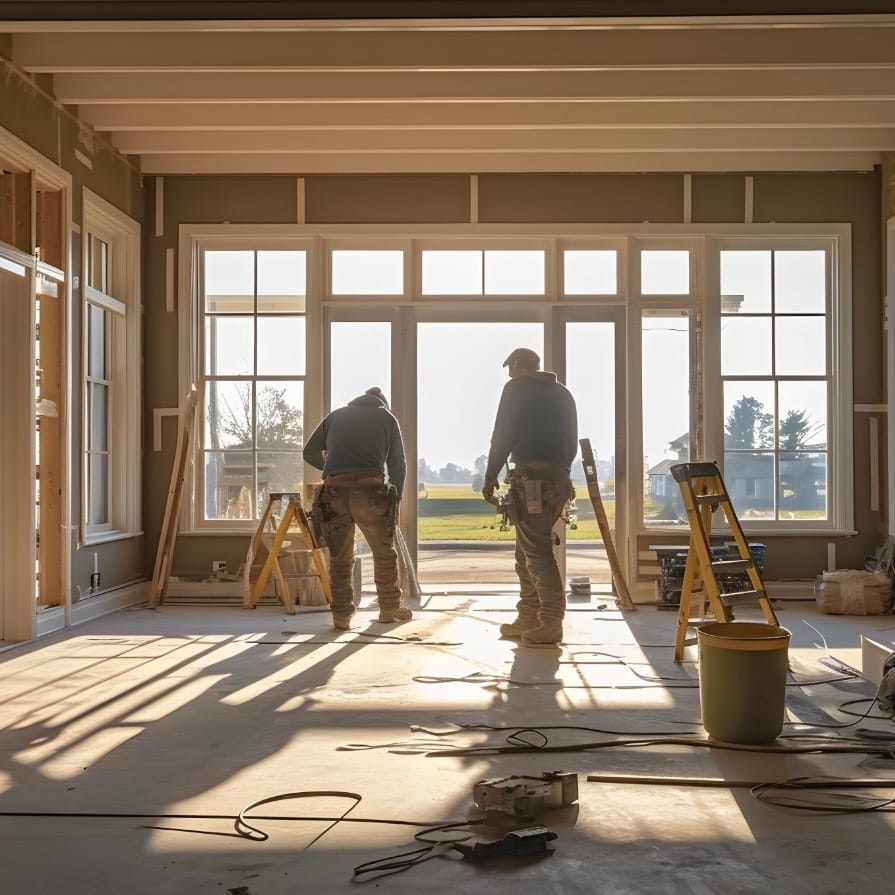
One of the most common—and expensive—decisions Massachusetts property owners face is whether to build new or renovate an existing structure.
At first glance, renovating often feels like the cheaper, faster option. But in Massachusetts, local regulations, aging housing stock, site conditions, and code requirements can make renovation far more complex than expected.
Understanding when it makes sense to build versus renovate can save tens—or even hundreds—of thousands of dollars over the life of a project.
This guide breaks down the key factors Massachusetts homeowners and developers should consider before making that decision.
Why This Decision Is Different in Massachusetts
Massachusetts has some of the oldest housing stock in the country, along with strict building codes, zoning regulations, and environmental oversight.
Factors such as:
- Local zoning bylaws
- Conservation Commission rules
- Title 5 septic regulations when applicable
- Historic district requirements
- Aging foundations and infrastructure
These factors often play a larger role here than in other states.
As a result, the right choice isn’t always obvious—and it’s rarely based on cost alone.

When Renovating Makes Sense in Massachusetts
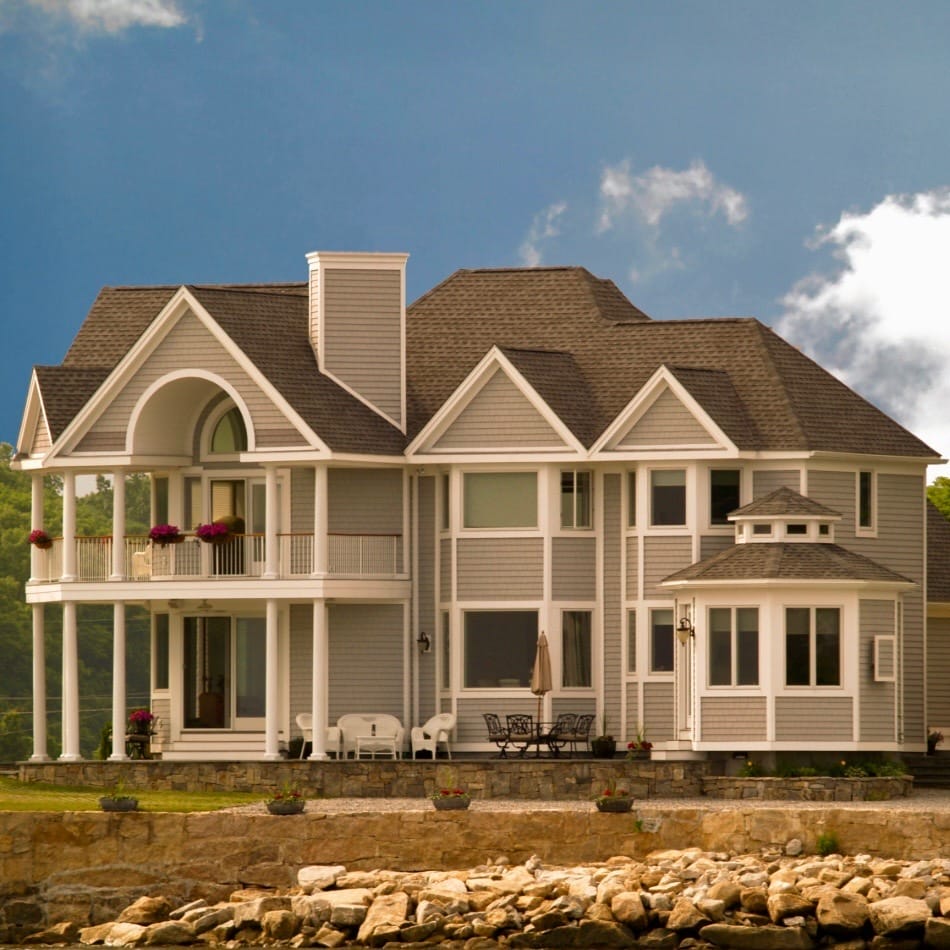
Renovation is often the right choice when the existing structure is fundamentally sound and the scope of work is limited.
1. The Foundation Is Structurally Sound
If the foundation is:
- Level
- Crack-free (or repairable)
- Properly sized for future use
Renovation can be a cost-effective option.
Foundation replacement or major underpinning can quickly close the cost gap between renovating and building new.
2. Zoning or Conservation Limits New Construction
In many Massachusetts towns, zoning setbacks, wetlands buffers, or conservation bylaws limit where a new structure can be placed.
Renovating an existing footprint may:
- Avoid Conservation Commission review
- Allow work within grandfathered setbacks
- Reduce permitting complexity
This is common in coastal towns, historic villages, and smaller lots.


3. The Home Has Historic or Architectural Value
Massachusetts has many historic districts and older homes with architectural significance.
Renovating may be preferable—or required—when:
- The structure is protected by local bylaws
- Preservation grants or tax credits apply
- Demolition permits are restricted
In these cases, renovation preserves value and avoids regulatory hurdles.
4. Utilities and Septic Are Already Adequate
If the existing:
- Septic system meets Title 5 (When applicable)
- Water and utility connections are modern
- Drainage systems are functional
Renovation avoids the added costs of new infrastructure, which can be substantial.
When Building New Makes More Sense
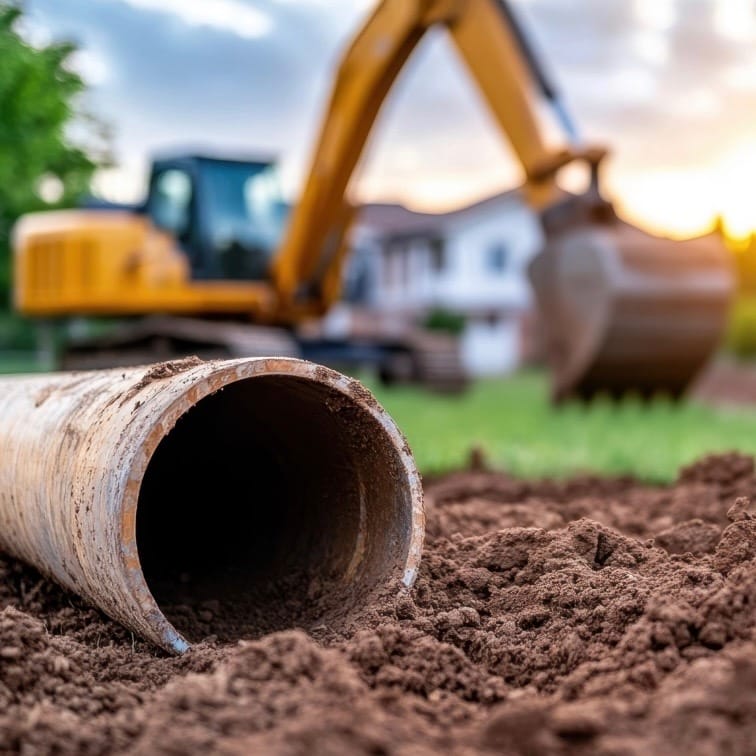
While renovation feels safer, there are many situations where new construction is the smarter investment, especially long-term.
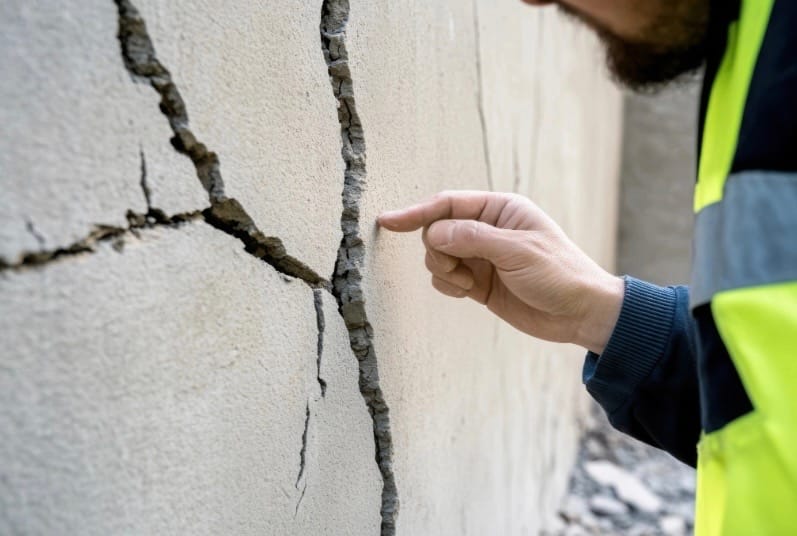
1. The Existing Structure Has Major Structural Issues
Common renovation deal-breakers include:
- Failing stone or fieldstone foundations
- Extensive rot or water damage
- Chronic drainage or groundwater issues
- Undersized foundations
In these cases, renovation costs can spiral quickly and still result in compromises.
2. You’re Planning Major Layout Changes
If your renovation plan includes:
- Adding a second story
- Reconfiguring load-bearing walls
- Expanding the footprint significantly
You may already be approaching the cost of new construction—without the benefits of a modern foundation and systems.


3. Energy Efficiency Is a Priority
Older homes often lack:
- Proper insulation
- Air sealing
- Modern mechanical systems
New construction allows you to meet or exceed current energy codes, resulting in:
- Lower utility costs
- Improved comfort
- Better resale value
Over time, these savings can offset higher upfront costs.
Massachusetts Building Energy Regulations:
4. Site Conditions Favor New Construction
On some properties, especially larger lots or undeveloped land, building new allows for:
- Optimized placement for drainage and grading
- Better septic system design (when applicable)
- Improved driveway and access layout
This is particularly important in areas with clay soils, ledge, or high groundwater.

Cost Comparison: Renovate vs Build in MA
While every project is different, here are general cost considerations:

Renovation Costs Increase When:
- Structural work is required
- Foundations need reinforcement
- Septic systems must be upgraded
- Energy code compliance is triggered
New Construction Costs Increase When:
- Extensive site work is required
- Conservation Commission approval and remediation is needed
- Utilities are far from the building site
The key is evaluating total project cost, not just the visible work.
Learn more about Residential Construction

Permitting and Regulatory Considerations

Renovations
Renovations may still trigger:
- Building permits
- Structural engineering reviews
- Title 5 upgrades (when applicable)
- Conservation review if expanding footprint
Many homeowners are surprised to learn that renovations can require just as much permitting as new construction.
New Construction
New builds almost always require:
- Zoning compliance
- Conservation Commission review (where applicable)
- Full site plan review
- Septic and drainage approvals
However, the approval process is often clearer and more predictable when starting from scratch.
Long-Term Value and Resale in Massachusetts

Massachusetts buyers place high value on:
- Modern layouts
- Energy efficiency
- Updated systems
- Low maintenance
In many markets, a well-designed new build outperforms a heavily renovated older home—especially when renovation compromises are visible.
That said, renovated historic homes in desirable locations can command premium pricing when done correctly.
The Role of Site Work in the Decision
Site work often tips the scale.
If a renovation still requires:
- Drainage upgrades
- Foundation replacement
- Septic relocation
- Major grading
Building new may offer better value with fewer unknowns.
An experienced Massachusetts site work contractor can evaluate whether the land supports renovation—or favors new construction.
Learn more about site work

How to Make the Right Decision

Before committing, property owners should:
- Have the foundation evaluated
- Understand zoning and conservation constraints
- Review septic and drainage requirements
- Compare full lifecycle costs—not just upfront costs
- Consult professionals early
The right decision is rarely emotional—it’s strategic.
Final Thoughts: Build or Renovate?
The decision to build or renovate depends on far more than aesthetics.
Structural conditions, site limitations, regulatory oversight, and long-term performance all matter.
Renovation makes sense when the structure is solid and constraints favor reuse.
Building new makes sense when the existing building limits potential—or creates ongoing risk.
The smartest projects start with clear site evaluation, realistic budgeting, and experienced local guidance.