Table of contents
- Replacement Vs. Underpinning Pros & Cons
- Why Foundation Problems Are Common in Massachusetts
- What Is Underpinning?
- What Is Foundation Replacement?
- When Underpinning Is the Right Choice
- When Foundation Replacement Is the Better Option
- Key Differences: Underpinning Vs. Foundation Replacement
- Cost Comparison: Underpinning vs Foundation Replacement
- Long-Term Performance Considerations
- Signs You Need a Structural Evaluation
- Engineering and Permits
- Risk of Choosing the Wrong Option
- Questions to Ask Before Deciding
- Which Is Right for You?
- Final Thoughts
- Get a proffesional evaluation

Replacement Vs. Underpinning Pros & Cons
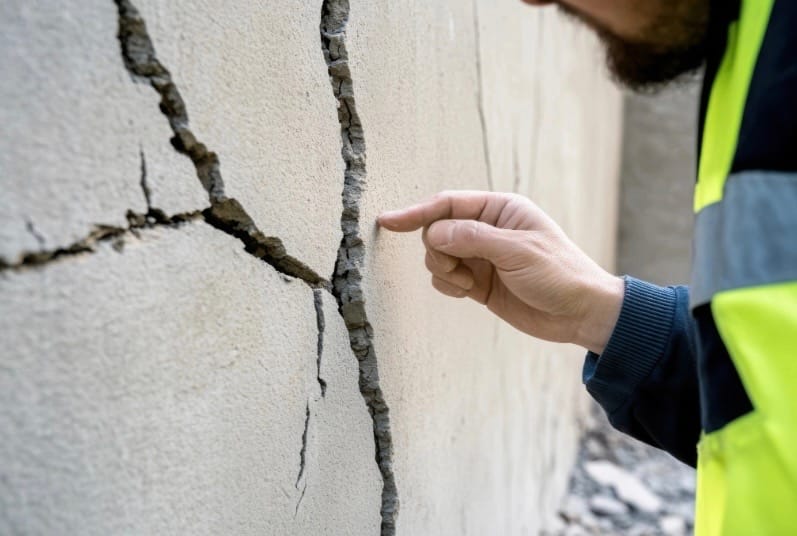
Foundation problems are common in Massachusetts. Between freeze-thaw cycles, high groundwater levels, clay soils, and centuries-old housing stock, structural foundation issues are something many homeowners eventually face.
If you’ve noticed cracks in your foundation, uneven floors, or water intrusion in your basement, you may be weighing two major options:
- Underpinning
- Full foundation replacement
Both are serious structural repairs. Both require permits and professional evaluation. But in Massachusetts, site conditions, soil types, frost depth requirements, and older construction methods play a major role in determining which solution makes sense.
Here’s how to decide.
Why Foundation Problems Are Common in Massachusetts
Before comparing repair options, it’s important to understand why foundation issues are so prevalent across Massachusetts.
1. Freeze-Thaw Cycles
Massachusetts experiences repeated winter freeze-thaw cycles.
Water in soil expands when frozen, exerting pressure on foundation walls. Over time, this causes cracking, shifting, and bowing.

2. Frost Depth Requirements
Massachusetts building code requires foundations to extend below frost depth (typically 48 inches or more depending on location).
Older homes often do not meet current standards.
3. Stone and Rubble Foundations
Many homes built before the 1930s have stone or fieldstone foundations.
Mortar deterioration and groundwater intrusion weaken these over time.


4. High Groundwater and Drainage Issues
Parts of Eastern Massachusetts and coastal communities deal with high water tables. Poor drainage increases hydrostatic pressure on foundation walls.
These factors directly influence whether underpinning is sufficient—or full replacement is necessary.
What Is Underpinning?
Underpinning typically involves strengthening an existing foundation by extending it deeper or transferring structural loads to more stable soil.
Common Reasons for Underpinning
- Settlement due to unstable soil
- Shallow footings in older homes
- Basement lowering projects
- Adding a second story or major addition
- Addressing localized cracking
Underpinning allows homeowners to keep the original foundation while reinforcing it to meet modern structural standards.

What Is Foundation Replacement?

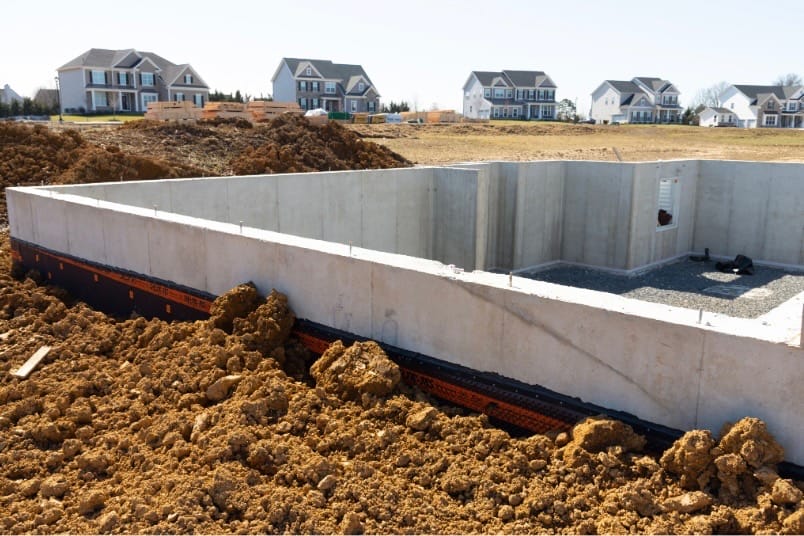
Foundation replacement involves removing the existing foundation and rebuilding it entirely—often with poured reinforced concrete walls and updated waterproofing systems.
In Massachusetts, this is often done when:
- Stone foundations are failing
- Walls are bowing or separating
- Frost damage is severe
- Water infiltration is chronic
- Structural integrity cannot be restored safely
Replacement brings the foundation fully up to current Massachusetts building code standards. Replacement is more invasive—but sometimes it’s the only safe option.
When Underpinning Is the Right Choice
Underpinning is usually appropriate when the foundation is structurally viable but requires reinforcement.
1. Settlement Without Major Structural Failure
If cracks are vertical and limited, and the walls remain plumb, underpinning can stabilize the home without full reconstruction.


2. Basement Lowering Projects
Many Massachusetts homeowners want increased basement ceiling height.
Underpinning sections of the foundation allows excavation below the existing footing while maintaining structural support.
3. Supporting an Addition
If you’re building upward or outward, underpinning may strengthen existing footings to handle increased load.


4. Meeting Frost Depth Requirements
Some older homes have shallow footings.
Underpinning can deepen sections to comply with Massachusetts frost protection standards.
When Foundation Replacement Is the Better Option
Replacement becomes necessary when structural integrity is compromised beyond reliable reinforcement.
1. Failing Stone Foundations
Stone and rubble foundations are common across Massachusetts. When mortar joints deteriorate extensively or stones shift significantly, replacement often provides a more permanent solution.

2. Horizontal Cracking or Bowing Walls
Horizontal cracks usually indicate pressure from soil or water.
In severe cases, structural failure risk makes replacement safer.
3. Severe Frost Heaving
Repeated frost cycles can displace foundation walls beyond repairable limits.

4. Chronic Water Intrusion
If drainage upgrades and waterproofing cannot resolve persistent water infiltration, replacing the foundation with modern waterproofing systems may be required.
Key Differences: Underpinning Vs. Foundation Replacement
| Factor | Underpinning | Foundation Replacement |
| Scope | Reinforces existing foundation | Removes & Replaces entire foundation |
| Cost | Typical lower – but varies | Higher overall cost |
| Disruption | Moderate | Significant |
| Structural Change | Strengthens Current Structure | Provides entirely new foundation |
| Best For | Settling or Load Issues | Severe structural failure |
Cost Comparison: Underpinning vs Foundation Replacement
Costs vary significantly depending on:
- Size of home
- Soil conditions
- Accessibility
- Structural complexity
- Local labor rates


Underpinning Cost Factors
- Number of underpinning piers required
- Depth of reinforcement
- Soil engineering requirements
- Structural engineer involvement
Underpinning can range from moderate to substantial depending on scope.
Foundation Replacement Cost Factors
- Demolition and removal
- Temporary structural support (house lifting)
- New footings and walls
- Waterproofing and drainage systems
- Site work and excavation
Replacement is generally more expensive because it involves full structural reconstruction.

Long-Term Performance Considerations
Choosing the right solution isn’t just about immediate cost—it’s about structural longevity.

Underpinning Longevity
When properly engineered and installed, underpinning can last the life of the home.
However, it relies on the remaining foundation being structurally viable.
Replacement Longevity
A newly poured reinforced concrete foundation, combined with modern waterproofing and drainage systems, often provides the longest-term solution with minimal future risk.

Signs You Need a Structural Evaluation

If you notice:
- Stair-step cracks in brick or block
- Horizontal foundation cracks
- Doors and windows sticking
- Sloping floors
- Water pooling along foundation walls
You should schedule a professional inspection immediately. Delaying foundation repairs increases structural stress and future repair costs.
Engineering and Permits
Both underpinning and foundation replacement typically require:
- Structural engineering evaluation
- Building permits
- Inspections
- Temporary structural shoring
In some cases, soil testing may also be required.
Choosing a contractor experienced in structural foundation repair ensures compliance and safety.
Risk of Choosing the Wrong Option

Under-repairing a failing foundation can lead to:
- Continued settlement
- Interior structural damage
- Decreased property value
- Increased future repair costs
Over-repairing (choosing replacement when underpinning would suffice) can mean unnecessary expense and disruption.
The right solution balances structural integrity, budget, and long-term performance.
Questions to Ask Before Deciding
Is the existing foundation structurally sound enough to reinforce?
What is causing the movement—soil issues or structural failure?
Will future additions increase load requirements?
What is the long-term maintenance outlook?
Has a structural engineer evaluated the foundation?
A clear diagnosis always comes before a solution.

Which Is Right for You?

There is no universal answer to underpinning vs. foundation replacement.
The decision depends on:
- Severity of damage
- Structural integrity
- Soil conditions
- Budget
- Long-term plans for the property
Underpinning is ideal when reinforcement can safely restore stability.
Foundation replacement is necessary when structural integrity is compromised beyond reliable repair.
Final Thoughts
Foundation problems are not cosmetic—they are structural. Choosing between underpinning and foundation replacement requires careful evaluation, engineering insight, and experienced installation.
If you suspect foundation issues, the best first step is a professional assessment. The sooner structural problems are addressed, the more options you typically have—and the less expensive the repair is likely to be.
Making the right choice now protects your home, your investment, and your peace of mind for decades to come.