
Table of contents
- Why Best Practices Matter
- Why Septic Maintenance Matters
- DO: Have Your Septic System Pumped Regularly
- DON’T: Wait for a Problem Before Pumping
- DO: Be Mindful of What Goes Down the Drain
- DON’T: Flush or Drain Harmful Materials
- DO: Conserve Water
- DON’T: Overload the System
- DO: Protect the Drain Field Area
- DON’T: Build or Plant Over the Septic System
- DO: Schedule Regular Inspections
- DON’T: Ignore Warning Signs
- DO: Keep Records of Your Septic System
- DON’T: Attempt DIY Repairs
- Septic Maintenance Is an Investment, Not an Expense
- Work With Professionals Who Understand Local Conditions
- Have a Question?

Why Best Practices Matter

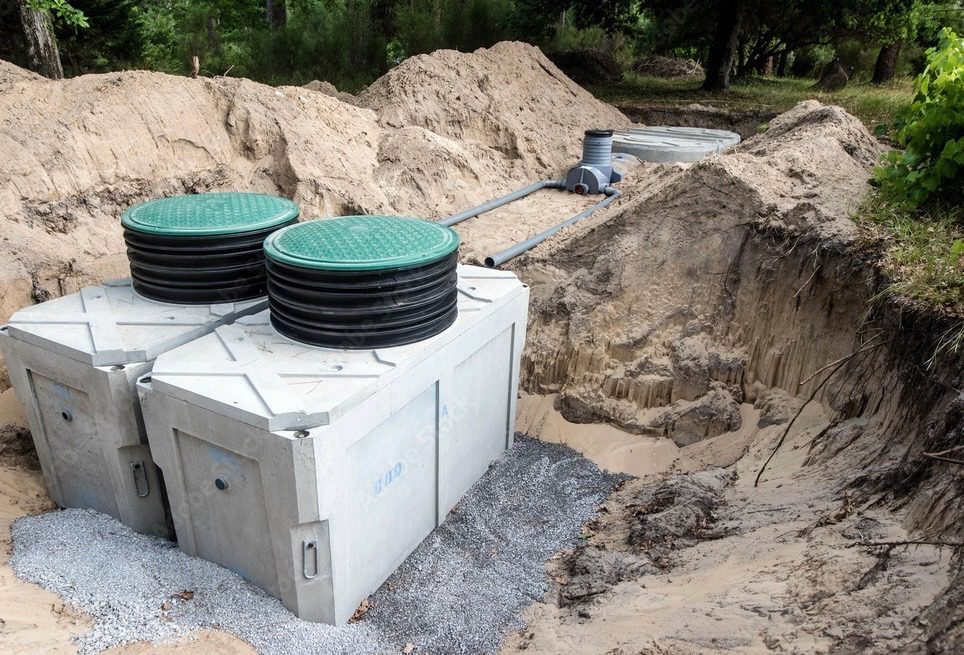
A septic system is one of the most important—and most misunderstood—components of a home. When properly maintained, a septic system can last 20–40 years or longer.
When neglected, it can fail prematurely, causing costly repairs, environmental damage, and even property devaluation.
For homeowners in New England, where soil conditions, groundwater, and seasonal weather all play a role, understanding what to do—and what to avoid—is critical.
This guide outlines the essential do’s and don’ts of septic system maintenance so you can protect your investment and avoid unnecessary problems.
Why Septic Maintenance Matters
Your septic system treats and disperses wastewater safely underground. Unlike municipal sewer systems, everything that goes down your drains stays on your property—and becomes your responsibility.
Poor maintenance can lead to:
- System backups and sewage odors
- Contaminated groundwater
- Failed Title 5 inspections (in Massachusetts)
- Expensive emergency replacements
Routine care is far less costly than repairs or replacement.

DO: Have Your Septic System Pumped Regularly

One of the most important maintenance tasks is routine pumping.
General guidelines:
- Every 3–5 years for most households
- More frequently for larger families or heavy water use
- As recommended by your installer or inspector
Pumping removes accumulated solids that can otherwise clog the system and damage the drain field.
DON’T: Wait for a Problem Before Pumping
A septic system rarely gives much warning before failure.
Signs of trouble—such as slow drains, odors, or soggy areas—often indicate damage has already occurred. Pumping is preventive maintenance, not an emergency fix.
Waiting too long can lead to:
- Blocked distribution lines
- Drain field failure
- Costly excavation and replacement

DO: Be Mindful of What Goes Down the Drain

Your septic system is designed to handle wastewater and toilet paper only.
Approved items:
- Human waste
- Septic-safe toilet paper
- Normal household wastewater
Everything else should be disposed of elsewhere.
DON’T: Flush or Drain Harmful Materials
Many everyday products can damage your septic system.
Never flush or drain:
- Wipes (even “flushable” ones)
- Grease, oils, or fats
- Feminine hygiene products
- Paper towels or napkins
- Medications
- Harsh chemicals, solvents, or paint
These materials can clog pipes, kill beneficial bacteria, and shorten system life.
DO: Conserve Water
Septic systems rely on balanced water flow. Excessive water use overwhelms the system and pushes solids into areas where they don’t belong.
Water-saving tips:
- Fix leaks promptly
- Install high-efficiency toilets and fixtures
- Spread laundry loads throughout the week
- Avoid running multiple water-heavy appliances at once
Moderate water use protects both the tank and the drain field.
DON’T: Overload the System
Sudden spikes in water usage—such as hosting large gatherings or running multiple loads of laundry back-to-back—can strain your system.
Overloading increases the risk of:
- Solids entering the drain field
- Reduced treatment time
- Premature system failure
DO: Protect the Drain Field Area
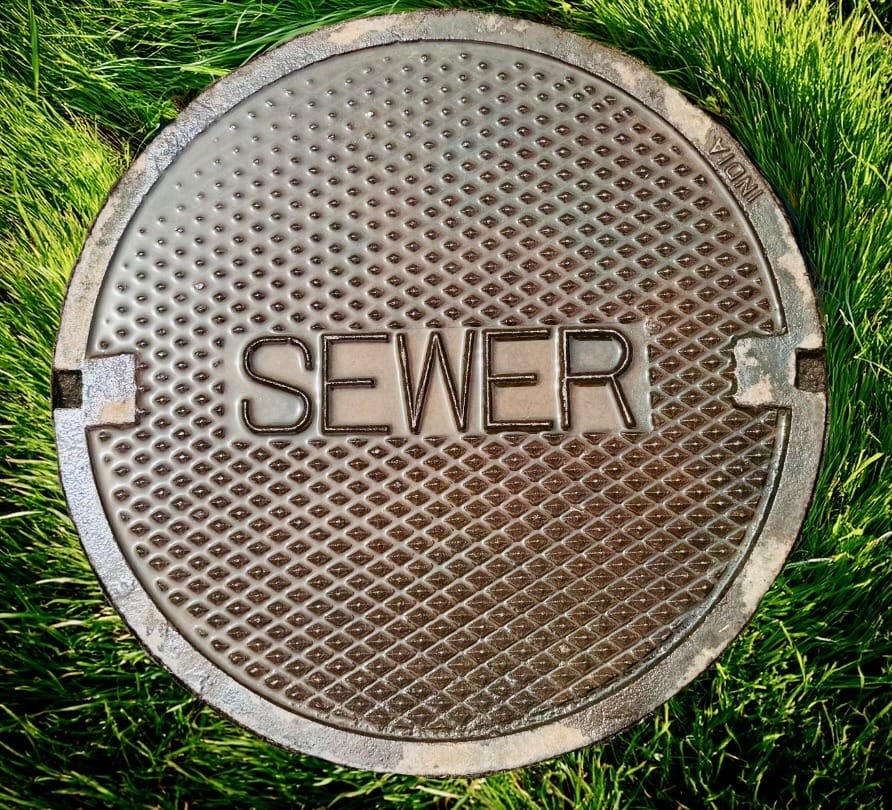
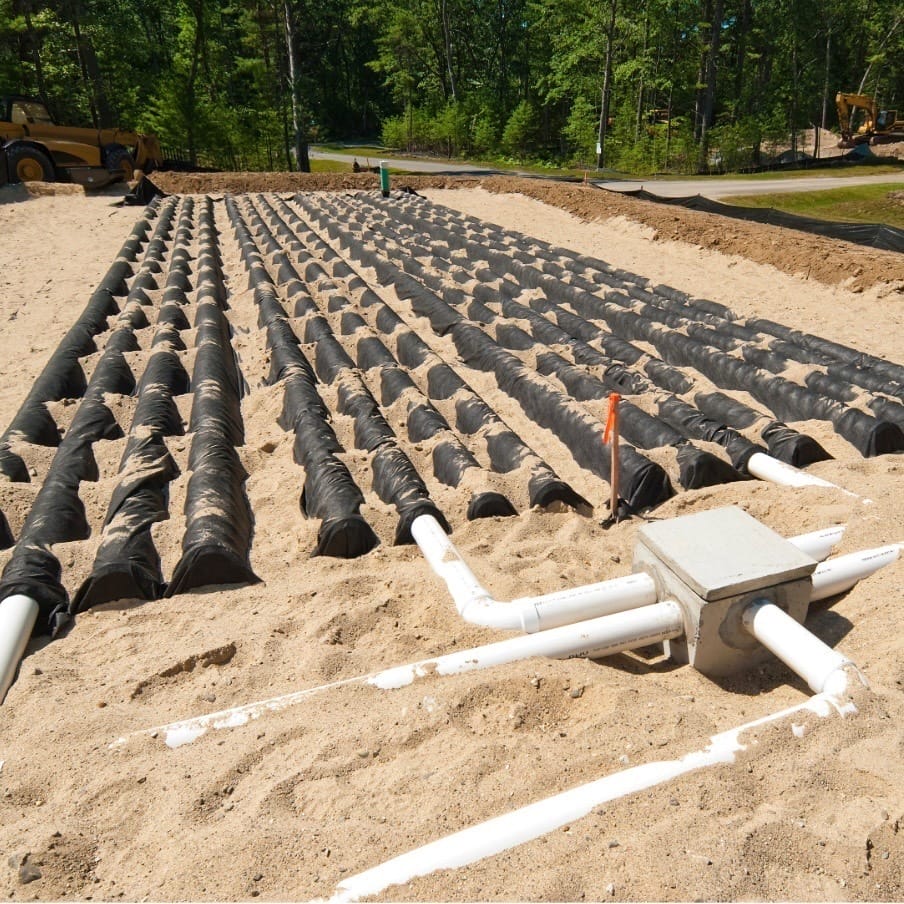
The drain field is a critical and fragile part of your septic system.
Best practices:
- Keep vehicles and heavy equipment off the area
- Maintain grass cover to prevent erosion
- Divert surface water away from the field
- Clearly mark the location for future reference
Compacted soil and excess water can significantly reduce system performance.
DON’T: Build or Plant Over the Septic System
Avoid placing anything over your septic components that could restrict access or cause damage.
Do not:
- Build sheds, patios, or decks over the system
- Plant trees or shrubs with aggressive roots
- Store heavy materials on top of the drain field
Roots and weight can crack pipes and tanks, leading to hidden failures.
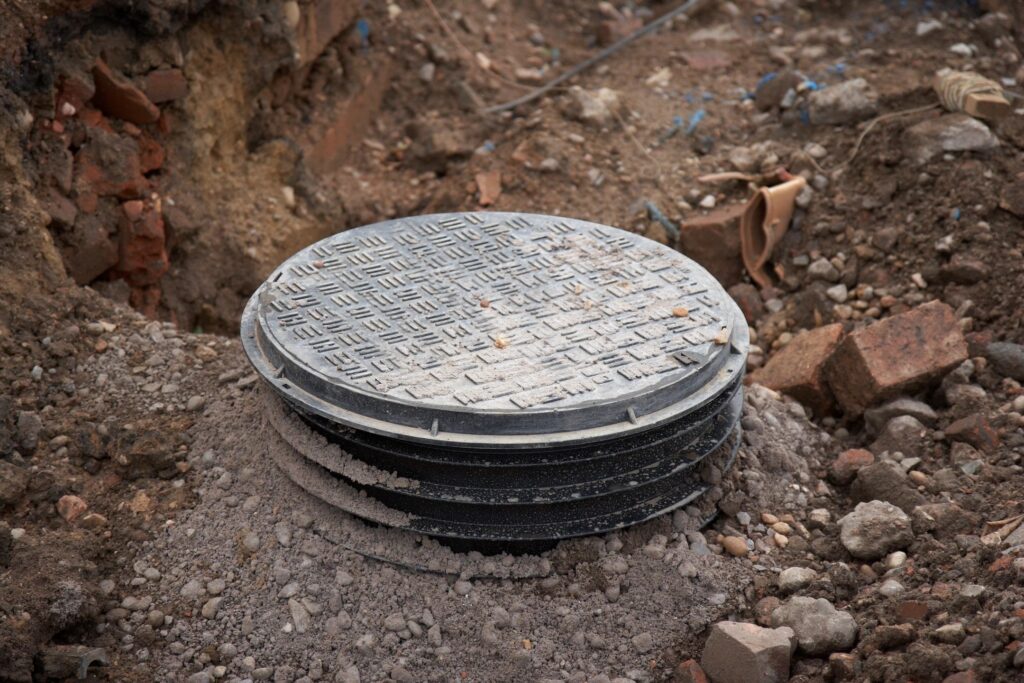
DO: Schedule Regular Inspections
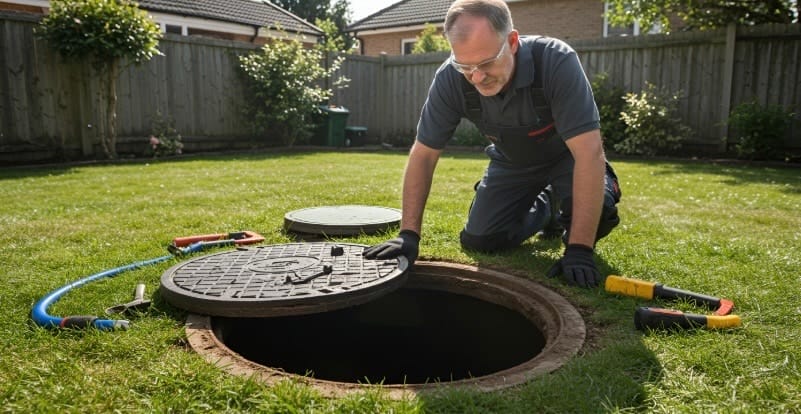
Periodic inspections help identify minor issues before they become major problems.
Inspections are especially important:
- Before buying or selling a home
- Prior to additions or site work
- If the system is older
In Massachusetts, inspections are required for many real estate transactions under Title 5 regulations.
DON’T: Ignore Warning Signs
Early warning signs should never be dismissed.
Common red flags include:
- Slow drains
- Gurgling pipes
- Sewage odors
- Wet or spongy areas near the system
- Unusually green grass over the drain field
Prompt action can often prevent system failure.

DO: Keep Records of Your Septic System

Maintaining records helps you and future owners understand the system’s history.
Important documents include:
- Installation plans
- Pumping and inspection records
- Repair or upgrade documentation
These records are invaluable for maintenance planning and property sales.
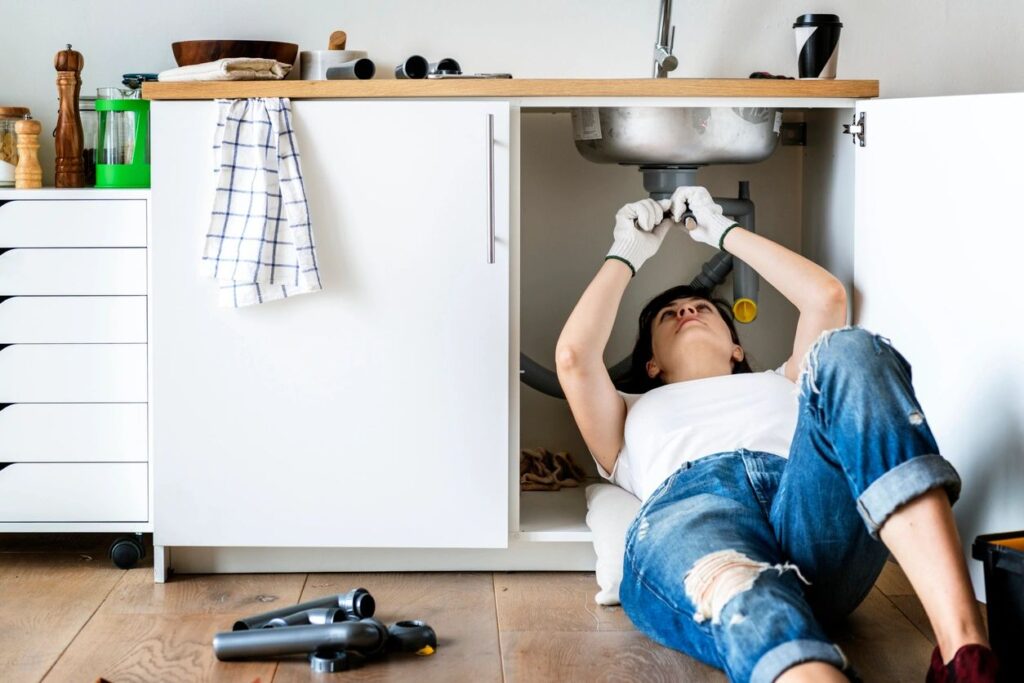
DON’T: Attempt DIY Repairs
Septic systems are regulated and complex.
Improper repairs can:
- Violate local health codes
- Cause environmental contamination
- Void warranties or approvals
Always work with licensed professionals experienced in septic systems and local regulations.

Septic Maintenance Is an Investment, Not an Expense

A well-maintained septic system:
- Lasts decades longer
- Reduces emergency costs
- Protects groundwater and the environment
- Preserves property value
For homeowners in New England, where soil, ledge, and groundwater conditions vary widely, proactive care is especially important.
Work With Professionals Who Understand Local Conditions
At Construction Solutions, Inc., we install septic systems designed for real-world New England conditions.
From excavation and site preparation to septic installation and system upgrades.
It is important that our clients understand how to protect their investment.
Avoid costly septic failures
Learn more about Septic System Installation
