
Table of contents
- Transforming Contaminated Properties into Safe, Productive Developments
- What Is a Brownfield Site?
- Why Brownfield Redevelopment Matters
- Common Environmental Challenges
- The Brownfield Development Process
- Excavation Challenges on Brownfield Sites
- Contaminated Soil Management
- Vapor Mitigation Systems
- Stormwater Management
- Why Experienced Contractors Matter
- Brownfield Redevelopment in Massachusetts
- Partner with Construction Solutions, Inc.

Transforming Contaminated Properties into Safe, Productive Developments

Brownfield redevelopment plays a vital role in revitalizing communities across Massachusetts. From former industrial properties and abandoned manufacturing facilities to aging commercial sites and underutilized parcels, these properties represent opportunities for economic growth, environmental restoration, and sustainable development.
While brownfield projects often involve environmental challenges, they also offer tremendous potential when managed by experienced professionals who understand site remediation, excavation, regulatory compliance, and commercial construction.
At Construction Solutions, Inc., we help property owners, developers, municipalities, and engineers navigate the complex process of preparing brownfield sites for successful redevelopment. Our expertise in excavation, environmental remediation, utility installation, demolition, and site development allows us to safely transform challenging properties into build-ready sites.
What Is a Brownfield Site?
A brownfield is a property where redevelopment or reuse may be complicated by the presence—or potential presence—of hazardous substances, petroleum contamination, or other environmental concerns.
Brownfields can include:
- Former gas stations
- Manufacturing facilities
- Mills
- Warehouses
- Industrial parks
- Dry cleaners
- Machine shops
- Auto repair facilities
- Rail yards
- Landfills
- Chemical storage sites
- Former commercial buildings
- Municipal maintenance yards
Many brownfield properties are located in desirable areas with existing infrastructure, making them attractive redevelopment opportunities despite environmental challenges.

Why Brownfield Redevelopment Matters
Redeveloping existing properties helps reduce urban sprawl while returning valuable land to productive use.
Benefits include:

Environmental Restoration
Removing contaminated soils and mitigating environmental hazards improves groundwater quality, protects ecosystems, and reduces public health risks.
Economic Development
Redeveloped properties create opportunities for:
- New businesses
- Housing developments
- Industrial facilities
- Distribution centers
- Medical buildings
- Retail centers
- Mixed-use developments


Infrastructure Efficiency
Brownfields are often located near existing:
- Roads
- Water mains
- Sewer systems
- Electrical utilities
- Public transportation
This can reduce infrastructure costs compared to developing undeveloped land.
Community Revitalization
Successful redevelopment can increase property values, improve neighborhoods, and create jobs while eliminating long-abandoned sites.

Common Environmental Challenges

Every brownfield is unique, but common contaminants include:
- Petroleum products
- Diesel fuel
- Gasoline
- Heavy metals
- Solvents
- Chlorinated compounds
- PCBs
- Lead
- Asbestos
- Fill containing historic contaminants
Proper investigation determines the extent of contamination before construction begins.
The Brownfield Development Process
Phase 1: Environmental Site Assessment
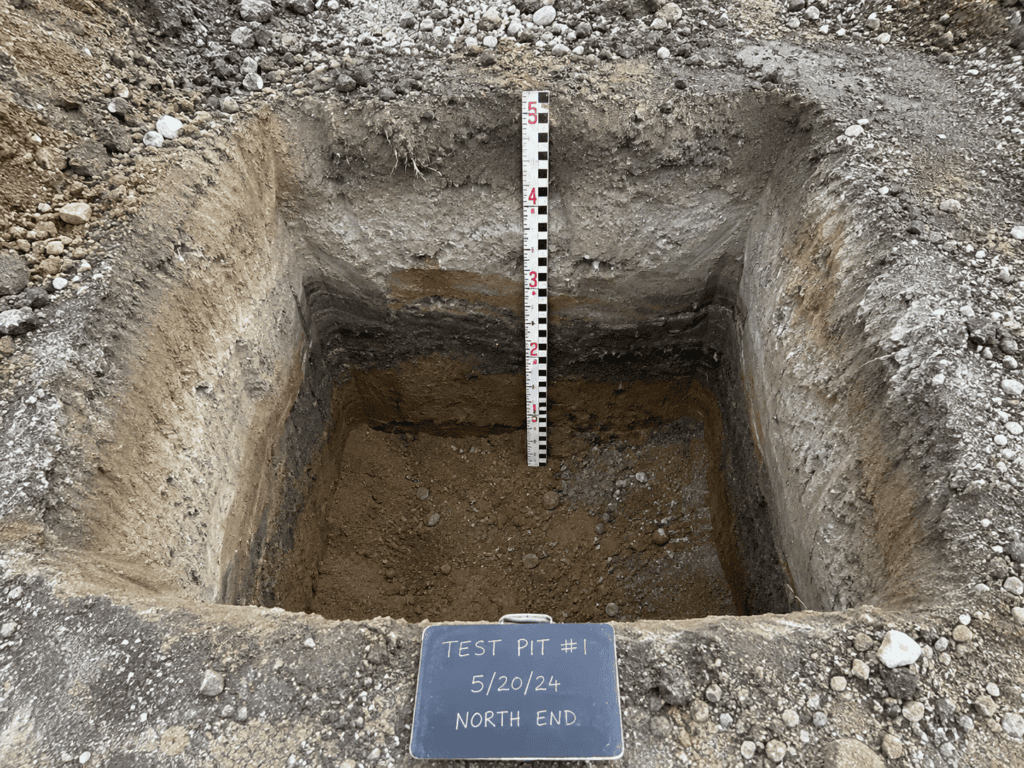
The process begins with researching historical uses of the property.
Environmental consultants evaluate:
- Historical aerial photographs
- Property ownership records
- Regulatory databases
- Previous environmental reports
- Existing site conditions
This helps identify Recognized Environmental Conditions (RECs) that may require additional investigation.
Phase 2: Site Investigation
If concerns are identified, environmental professionals conduct:
- Soil borings
- Groundwater monitoring
- Soil sampling
- Vapor intrusion testing
- Laboratory analysis
These findings guide the remediation strategy.
Phase 3: Remediation Planning
Based on investigation results, engineers develop a remediation plan that may include:
- Excavation of contaminated soils
- Engineered caps
- Vapor barriers
- Groundwater treatment
- Soil stabilization
- Institutional controls
Planning also considers future land use and regulatory requirements.


Phase 4: Controlled Excavation and Material Management
Excavation is often the most critical phase of a brownfield project.
Contractors must carefully manage:
- Segregation of contaminated and clean soils
- Dust suppression
- Erosion and sediment control
- Stormwater protection
- Trucking logistics
- Licensed disposal facilities
- Material tracking
- Health and safety protocols
Accurate documentation is essential throughout the process.
Phase 5: Utility Installation and Site Development
Once remediation is complete, construction can begin.
Typical work includes:
- Water services
- Sewer systems
- Drainage infrastructure
- Electrical conduits
- Gas utilities
- Communication systems
- Building foundations
- Parking lots
- Roadways
- Site grading
Proper coordination helps maintain compliance while keeping projects on schedule.

Excavation Challenges on Brownfield Sites

Unlike conventional excavation, brownfield projects require close coordination with environmental professionals.
Contractors must manage:
- Unexpected contamination
- Unknown underground structures
- Buried foundations
- Underground storage tanks
- Existing utilities
- Groundwater infiltration
- Hazardous material handling
Experience and communication are essential to minimizing delays.
Contaminated Soil Management
One of the largest components of many brownfield projects is managing excavated soil.
Key considerations include:
- On-site reuse opportunities
- Temporary stockpile management
- Waste characterization
- Transportation requirements
- Licensed disposal facilities
- Documentation and chain of custody
Effective planning helps control costs while maintaining compliance.
During the hot-spot removal phase of a brownfield cleanup, traditional digging risks rupturing unidentified underground utilities. Utilizing non-destructive vacuum excavation services allows contractors to safely uncover legacy pipelines and tanks without causing secondary environmental spills

Vapor Mitigation Systems

Some sites require long-term vapor mitigation to protect future occupants.
Construction Solutions, Inc. installs systems including:
- Passive vapor barriers
- Sub-slab depressurization systems
- Vent piping
- Vapor collection networks
- Monitoring points
These systems are often integrated during foundation construction, making early coordination critical.
Stormwater Management
Brownfield redevelopment frequently includes modern stormwater improvements such as:
- Detention basins
- Infiltration systems
- Underground detention chambers
- Catch basins
- Drainage piping
- Water quality structures
Proper stormwater design supports regulatory compliance while protecting nearby resources.

Why Experienced Contractors Matter

Brownfield redevelopment demands more than excavation expertise. Successful projects require coordination among environmental consultants, engineers, regulators, developers, and contractors.
At Construction Solutions, Inc., we bring experience in:
- Environmental remediation support
- Controlled excavation
- Contaminated soil handling
- Utility installation
- Vacuum excavation
- Demolition
- Site grading
- Stormwater infrastructure
- Foundation preparation
- Sub-slab depressurization system installation
Our team understands the importance of safety, documentation, and maintaining project schedules while working in environmentally sensitive conditions.
Brownfield Redevelopment in Massachusetts
Massachusetts has transformed thousands of acres of formerly contaminated land into productive commercial, industrial, residential, and mixed-use developments through strong environmental oversight and redevelopment initiatives. Projects commonly involve coordination with environmental professionals and adherence to state cleanup requirements, making experienced contractors an essential part of successful site redevelopment.
Whether redeveloping an abandoned industrial property, expanding a commercial facility, or preparing a former fuel station for new construction, careful planning and expert execution help minimize risk while maximizing long-term value.

Partner with Construction Solutions, Inc.
Brownfield redevelopment is an investment in both the future of your property and your community. From environmental remediation support and controlled excavation to utility installation and final site preparation, Construction Solutions, Inc. provides the experience, equipment, and commitment needed to move complex projects forward safely and efficiently.
If you’re planning a brownfield redevelopment project anywhere in Massachusetts, Southern New Hampshire, or Southern Maine, contact our team to discuss how we can help transform challenging properties into successful developments.