
Table of contents
- Conservation Commissions Purpose
- What Is a Conservation Commission in Massachusetts?
- What Areas Are Protected Under the Wetlands Protection Act?
- How Conservation Rules Reduce Buildable Land
- Common Mistakes Property Owners Make
- How Local Bylaws Make a Difference
- How to Determine If Land Is Truly Buildable
- Can You Still Build on Conservation-Restricted Land?
- Why Local Experience Matters in Massachusetts
- Final Thoughts: Plan Before You Build
- Are you looking to build?
Conservation Commissions Purpose

If you own property in Massachusetts—or are considering buying land to build on—understanding Conservation Commission regulations is critical.
These rules can significantly affect what, where, and how you are allowed to build. Many property owners assume land is “buildable” simply because it is zoned for construction, only to discover later that environmental protections limit development or require costly redesigns.
In Massachusetts, Conservation Commissions enforce the Wetlands Protection Act (MGL Chapter 131, Section 40), along with stricter local bylaws. These regulations exist to protect wetlands, waterways, and environmentally sensitive areas—but they also play a major role in determining usable land, project timelines, and overall construction costs.
This guide explains how Conservation Commission rules impact buildable land in Massachusetts and what property owners should know before moving forward with a project.
What Is a Conservation Commission in Massachusetts?
Every city and town in Massachusetts has a Conservation Commission responsible for protecting natural resources under state and local law.
Their authority includes reviewing and approving—or denying—projects that occur:
- In wetlands
- Within buffer zones
- Near rivers, streams, ponds, or coastal resources
- In floodplains or water resource areas
The Commission reviews proposed construction through formal permitting processes and has the power to impose conditions that affect grading, excavation, drainage, foundations, septic systems, and overall site layout.
What Areas Are Protected Under the Wetlands Protection Act?

Many landowners are surprised to learn how broadly wetlands are defined in Massachusetts.
Protected resource areas include:
- Wetlands (vegetated and non-vegetated)
- Rivers and streams
- Ponds and lakes
- Land under water bodies
- Floodplains
- Banks and bordering land
- Coastal resource areas (where applicable)
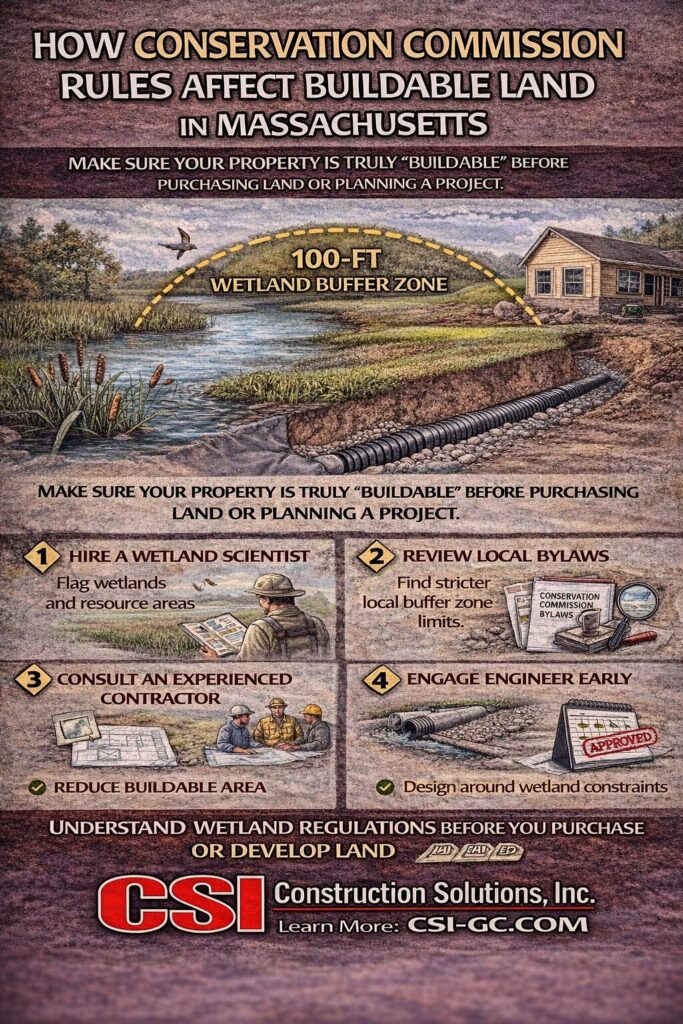
In addition to the resource area itself, most projects are regulated within a 100-foot buffer zone—even if no wetlands are visible.
Local bylaws often extend this buffer to 200 feet or more, further reducing buildable land.
How Conservation Rules Reduce Buildable Land
1. Buffer Zones Limit Where You Can Build
Even if wetlands are located at the edge of your property, the buffer zone may restrict construction over a much larger area.
Foundations, septic systems, driveways, grading, and drainage structures may all be prohibited or heavily regulated within these zones.
This often forces:
- Smaller building footprints
- Relocated structures
- Reduced lot usability
Learn more about Residential Construction:

2. Septic System Placement Becomes More Complex
In Massachusetts, septic systems must meet Title 5 requirements in addition to Conservation Commission rules.
Wetlands and buffer zones can severely limit where leach fields, tanks, and reserve areas can be placed.
This may require:
- Advanced septic systems
- Mound or pressure-dosed systems
- Engineered solutions at higher cost
Learn more about Septic System Installations:
3. Drainage and Site Work Are Heavily Regulated
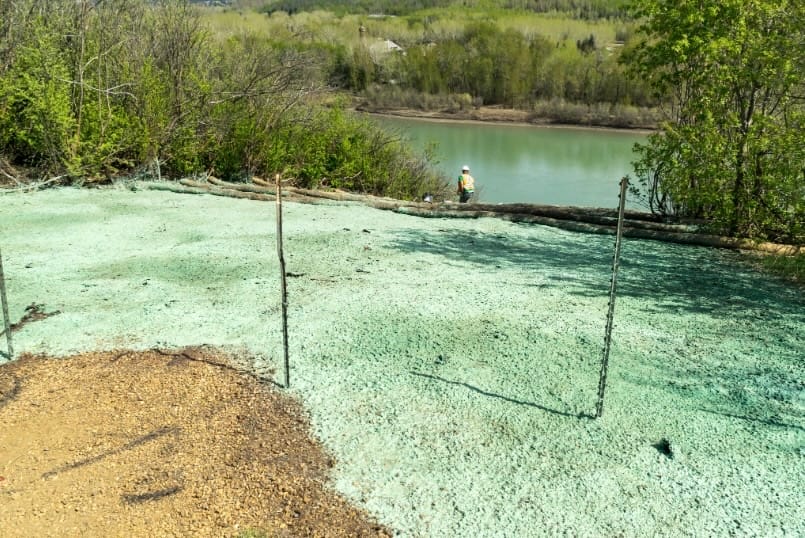
Any work that alters drainage patterns, soil stability, or groundwater flow will be reviewed closely.
Conservation Commissions often impose conditions related to:
- Erosion control
- Stormwater management
- Limited excavation depths
- Seasonal work restrictions
Improper planning can result in redesigns, delays, or enforcement actions.
Learn more about Excavation & Site Development

4. Project Timelines Increase
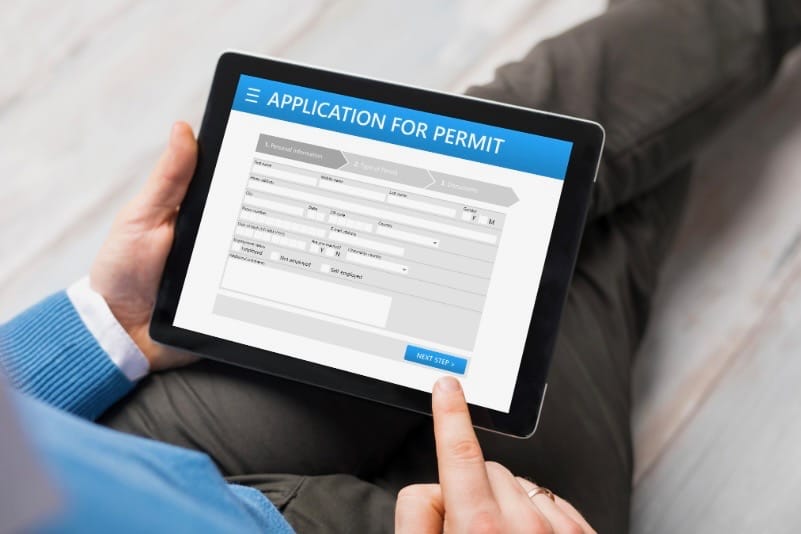
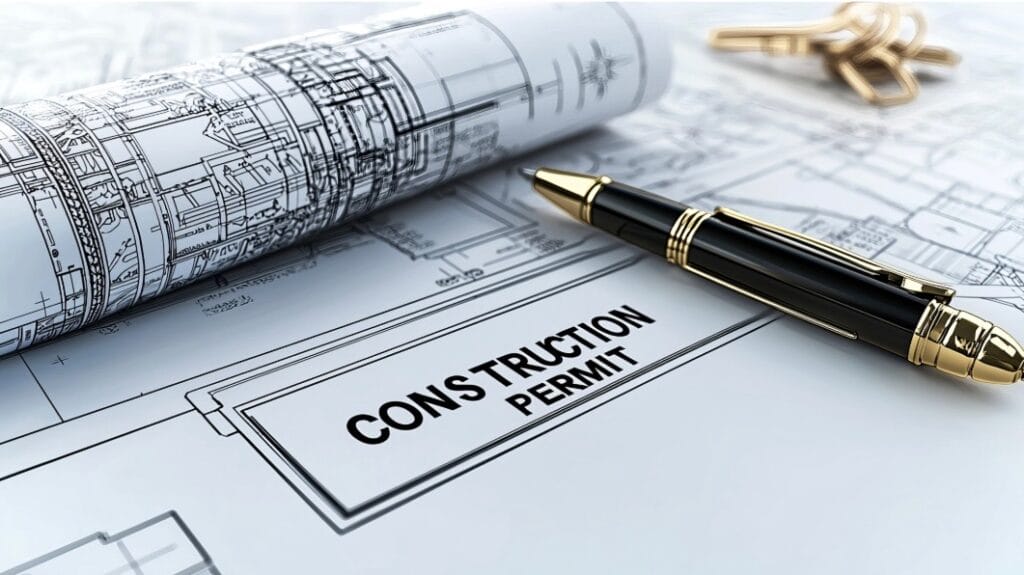
Projects subject to Conservation Commission review typically require one of the following filings:
- Request for Determination of Applicability (RDA)
- Notice of Intent (NOI)
Each process includes:
- Engineering plans
- Public hearings
- Review periods
- Possible revisions
This can add weeks or months to a project timeline—especially if issues arise during review.
Common Mistakes Property Owners Make
Many Massachusetts property owners run into trouble because they:
- Purchase land without wetland delineation
- Assume zoning approval is enough
- Design a project before understanding environmental constraints
- Start site work without proper approvals
- Hire contractors unfamiliar with local Conservation rules
These mistakes often lead to costly stop-work orders or forced redesigns.

How Local Bylaws Make a Difference

Beyond state law, many Massachusetts towns enforce stricter local conservation bylaws.
These can include:
- Larger buffer zones
- Expanded wetland definitions
- Additional filing requirements
- Higher performance standards
This means build-ability can vary dramatically from one town to the next—even for similar properties.
How to Determine If Land Is Truly Buildable
Before committing to a project, property owners should take the following steps:
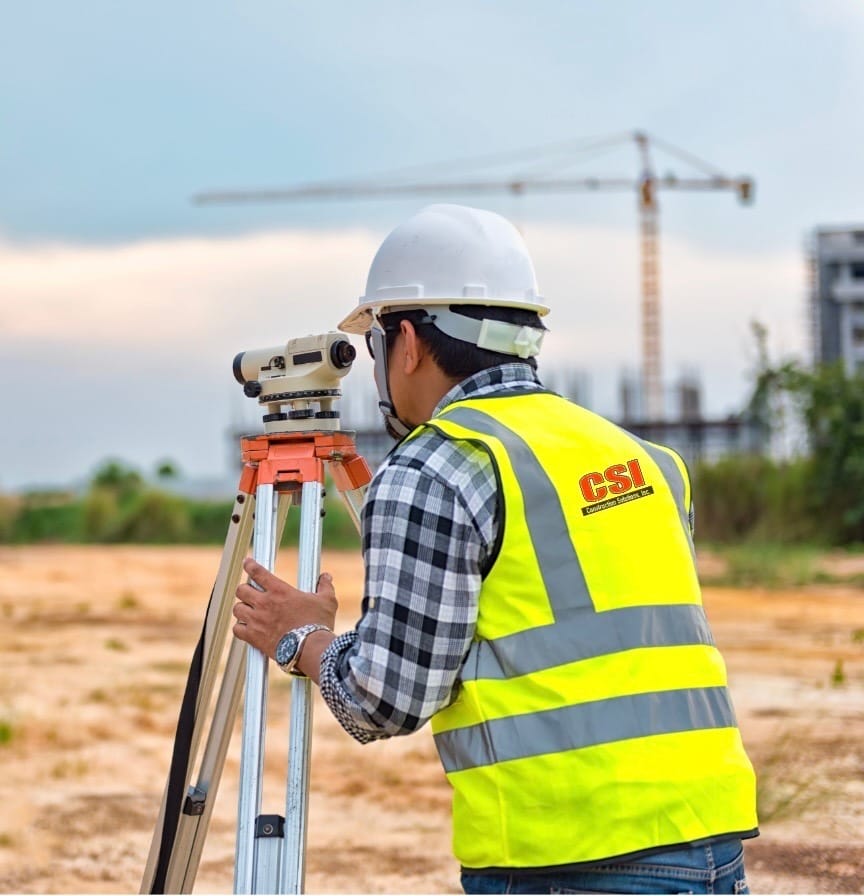
- Hire a wetland scientist to flag resource areas
- Review local conservation bylaws
- Consult an experienced site work contractor
- Engage an engineer early
- Meet with the Conservation Commission if needed
Early due diligence often saves tens of thousands of dollars later.
Can You Still Build on Conservation-Restricted Land?

Yes—but expectations must be realistic.
Many projects proceed successfully with:
- Modified building layouts
- Smaller footprints
- Specialized drainage systems
- Engineered septic solutions
- Careful construction sequencing
Experienced contractors who regularly work under Conservation Commission oversight can help navigate these challenges efficiently.
Why Local Experience Matters in Massachusetts
Massachusetts Conservation Commissions operate with significant discretion.
Contractors unfamiliar with local expectations may struggle with approvals, while experienced teams understand how to:
- Design compliant site work
- Anticipate conditions
- Minimize environmental impact
- Avoid delays and enforcement actions
Local knowledge is often the difference between a smooth approval process and a stalled project.
Learn More about our Service Area

Final Thoughts: Plan Before You Build
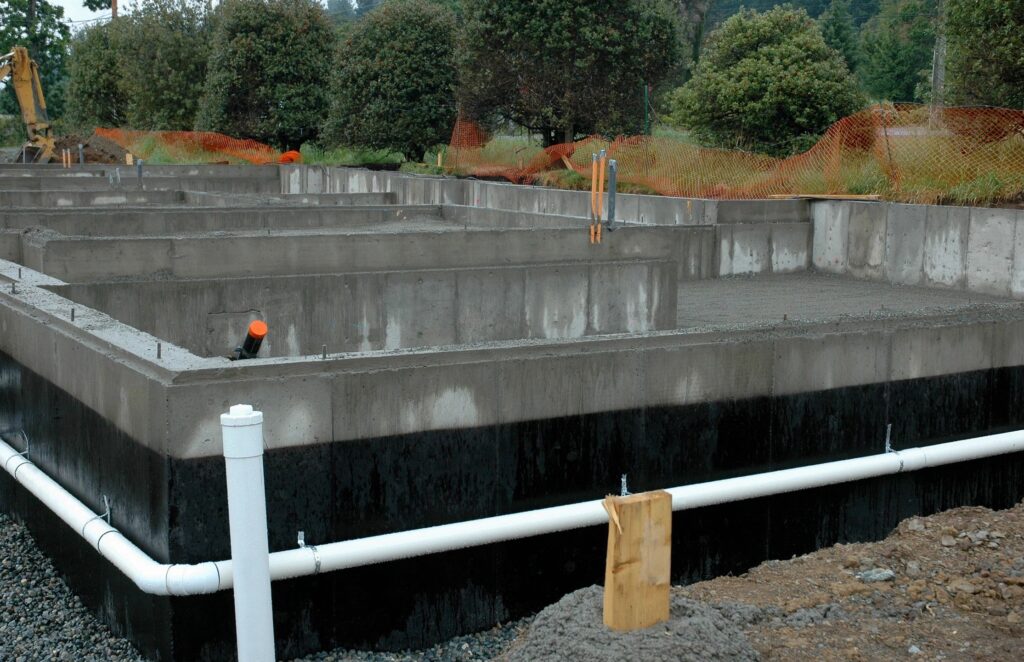
Conservation Commission rules are not roadblocks—but they are powerful factors in determining what land is truly buildable in Massachusetts.
Understanding these regulations early allows property owners to plan smarter, budget accurately, and avoid unnecessary delays.
Whether you’re building a new home, adding an addition, installing a septic system, or developing commercial property, conservation regulations should be considered at the very beginning of the process—not after construction plans are complete.