
Table of contents
- Surface Water & Drainage Are Different
- Why Drainage Matters More Than You Think
- What Is Surface Drainage?
- What Is Foundation Drainage?
- Key Differences Between Surface and Foundation Drainage
- Why Most Properties Need Both
- Signs Your Drainage System May Be Inadequate
- Drainage Considerations in New England
- Planning Drainage for New Construction vs. Existing Buildings
- Final Thoughts: Choosing the Right Drainage Strategy
- Frequently Asked Questions From Homeowners in Massachusetts & New Hampshire
- Need Help With a Water Problem?

Surface Water & Drainage Are Different

Water is one of the most damaging forces affecting residential and commercial structures. Left unmanaged, it can compromise foundations, flood basements, erode soils, and significantly reduce the lifespan of a building.
That’s why proper drainage planning is a critical part of any construction or site work project.
Two of the most common—and often confused—approaches are foundation drainage and surface drainage.
While both are designed to control water, they serve different purposes and are most effective when used together.
Understanding the difference can help property owners make smarter decisions, avoid costly repairs, and protect their investment long-term.
Why Drainage Matters More Than You Think
In New England, heavy rain, snowmelt, high groundwater tables, and freeze-thaw cycles create constant stress on soils and structures.
Poor drainage is one of the leading causes of:
- Wet or flooded basements
- Foundation cracks and settlement
- Mold and indoor air quality issues
- Premature pavement and hardscape failure
- Septic system performance problems
Choosing the right drainage strategy—based on your site conditions—is essential.

What Is Surface Drainage?
Surface drainage manages water before it penetrates the ground. Its goal is to collect and redirect rainwater and runoff away from structures as efficiently as possible.
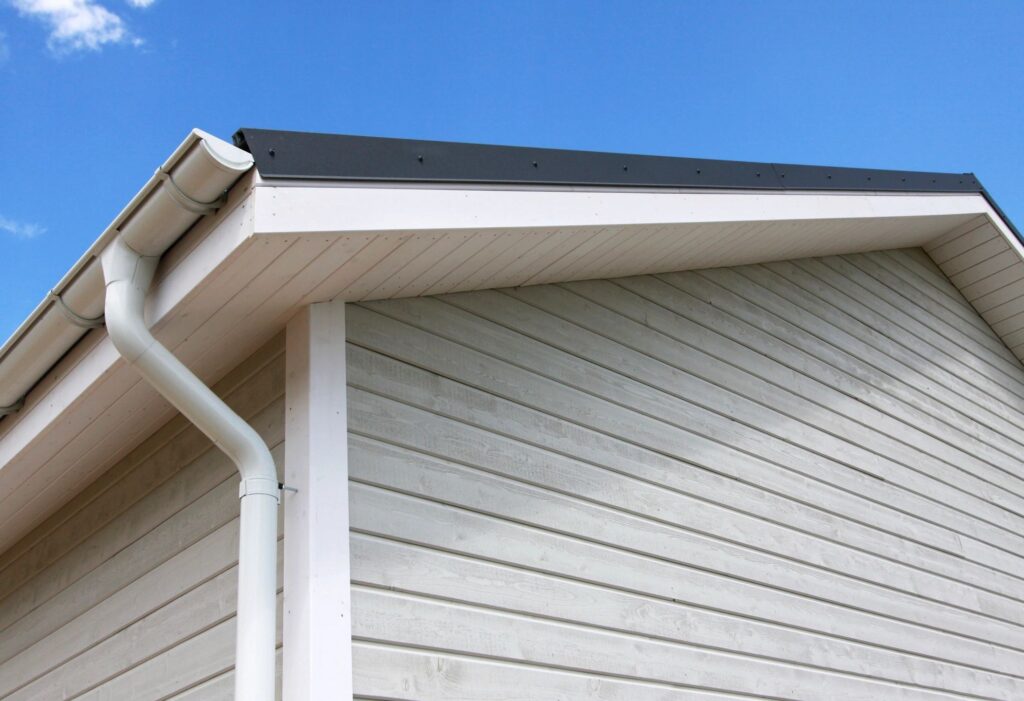
Common Surface Drainage Methods
- Grading and sloping the ground away from buildings
- Swales and shallow channels
- Catch basins and yard drains
- Gutters and downspouts connected to drainage piping
- Dry wells and rain gardens
Surface drainage systems are typically visible and rely on gravity to move water across or just below the ground surface.
When Surface Drainage Is Most Effective
Surface drainage works best when:
- Water issues are caused by poor grading
- Runoff collects near foundations after storms
- The soil drains reasonably well
- The site has room to redirect water away
Proper surface drainage is often the first line of defense against water problems.

What Is Foundation Drainage?
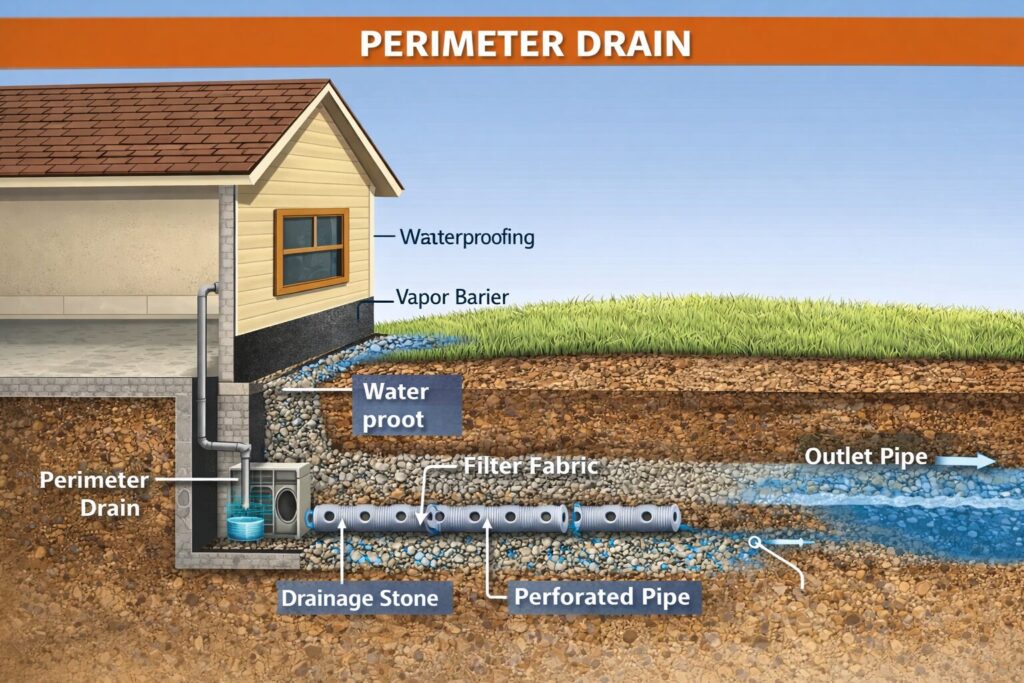
Foundation drainage addresses water after it enters the soil. These systems are designed to relieve hydrostatic pressure around foundations and manage groundwater before it can enter basements or crawl spaces.
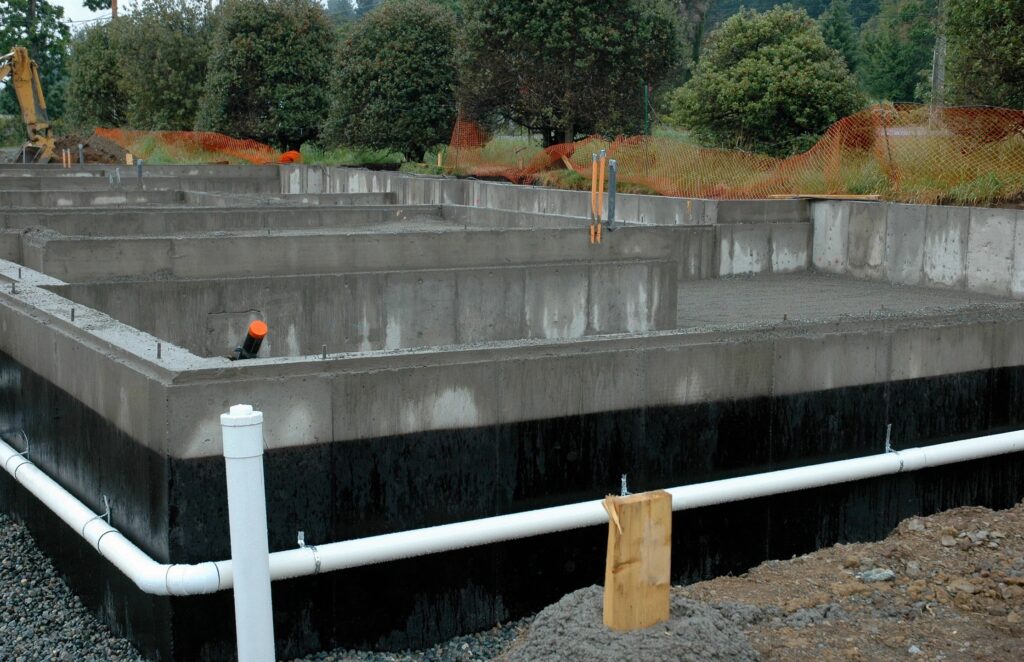
Common Foundation Drainage Systems
- Perimeter (French) drains at footing level
- Interior foundation drains
- Sump pump systems
- Foundation waterproofing membranes
- Drainage board and washed stone backfill
These systems are typically installed during construction or as part of major foundation or waterproofing work.
When Foundation Drainage Is Necessary
Foundation drainage is critical when:
- Groundwater levels are high
- Basements experience seepage or chronic moisture
- Soil holds water (clay or compacted soils)
- Buildings are located on slopes or below grade
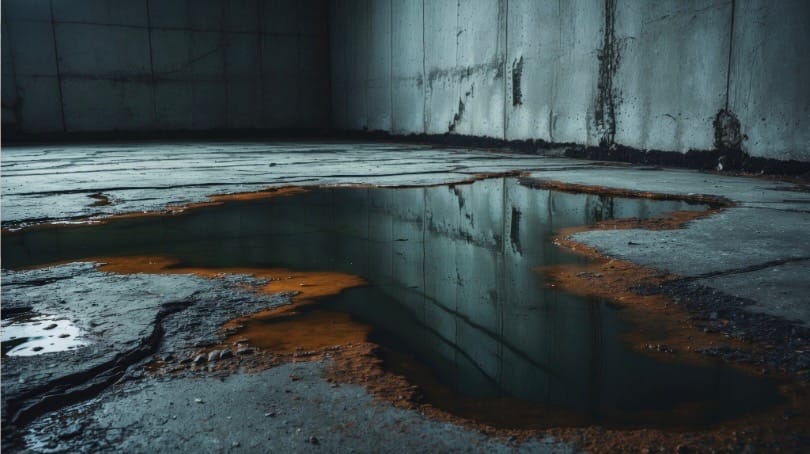
Without proper foundation drainage, water pressure can build up and force moisture through cracks, joints, and porous concrete.
Key Differences Between Surface and Foundation Drainage
| Aspect | Surface Drainage | Foundation Drainage |
| Manages | Rainwater & Runoff | Groundwater & Subsurface Water |
| Location | Ground surface or shallow depth | At or below the foundations footings |
| Visibility | Often Visible | Mostly hidden |
| Installation Timing | Can be added easily | Easiest during construction / can be added later |
| Primary Goal | Move water away from dwelling | Relieves pressure on the foundation |
While surface and foundation drainage differs in function, neither replaces the other.
Why Most Properties Need Both

One of the most common mistakes property owners make is relying on only one type of drainage.
In reality, surface drainage and foundation drainage work best as a coordinated system.
For example:
- Surface drainage reduces the amount of water reaching the foundation
- Foundation drainage manages the water that still enters the soil
Together, they significantly reduce moisture risk, structural stress, and long-term maintenance costs.
Signs Your Drainage System May Be Inadequate
You may need to improve surface drainage, foundation drainage, or both if you notice:
- Standing water near the foundation
- Damp or musty basement odors
- Efflorescence on foundation walls
- Cracks or shifting foundation walls
- Sump pumps running constantly
Ignoring these warning signs often leads to more extensive—and expensive—repairs later.

Drainage Considerations in New England
Local conditions play a major role in drainage planning:
- Freeze–thaw cycles can damage poorly designed systems
- Dense clay soils slow water movement
- High water tables increase hydrostatic pressure
- Tight lot lines limit surface drainage options
This is why local experience matters. Drainage solutions must be designed with regional soil conditions, climate, and codes in mind.
Planning Drainage for New Construction vs. Existing Buildings
New Construction
Drainage planning should be integrated into:
- Site design and grading plans
- Foundation design
- Septic and utility layout
Installing foundation drainage during construction is far more cost-effective than retrofitting later.
Learn More about Residential Construction:

Existing Buildings
Drainage upgrades may involve:
- Regrading and surface improvements
- Adding French drains or sump systems
- Waterproofing foundations
A professional site evaluation is essential to determine the most effective approach.
Learn More about Excavation & Site Work
Final Thoughts: Choosing the Right Drainage Strategy
Surface drainage and foundation drainage are not competing solutions—they are complementary. The right system depends on your site conditions, soil type, building design, and long-term goals.
Investing in proper drainage:
- Protects your foundation
- Prevents costly water damage
- Extends the life of your structure
- Improves property value
When planned correctly, drainage is one of the smartest investments you can make in any property.
Frequently Asked Questions From Homeowners in Massachusetts & New Hampshire
Yes. Many homes in Massachusetts are built on clay soils or ledge, which drain poorly. Foundation drainage systems such as perimeter drains or sump pumps help relieve hydrostatic pressure and protect basements from water intrusion.
In some cases, surface drainage alone may help—but in New Hampshire’s coastal and low-lying areas, groundwater often rises after storms. If water is entering your basement or crawl space, foundation drainage is usually required in addition to proper grading.
Yes. Poor drainage increases hydrostatic pressure against foundation walls, which can lead to cracks, shifting, or long-term structural damage. Proper drainage is one of the most effective ways to protect your foundation in New England’s climate.
The best time is during new construction or major site work, when excavation is already taking place. Retrofitting drainage systems later is possible.
It depends on the scope of work and the town. Some drainage installations require permits, especially if they involve excavation, stormwater discharge, or changes near wetlands. A local contractor can help determine permitting requirements.
Drainage should always be addressed before or at the same time as foundation repairs. Fixing cracks without correcting water issues often leads to repeat problems and additional repair costs.
Freeze–thaw cycles, heavy rain, and snowmelt put extra stress on drainage systems. Proper installation depth, stone selection, and pipe placement are critical to prevent freezing, clogging, or system failure.
In high groundwater conditions, common in parts of coastal Massachusetts and southern New Hampshire—foundation drainage systems such as French drains, sump pumps, and waterproofing membranes are typically required to manage subsurface water effectively.