

Table of contents
- Protecting Your Investment
- 1. Confirm Zoning Before You Design
- 2. Hire Licensed, Insured Contractors
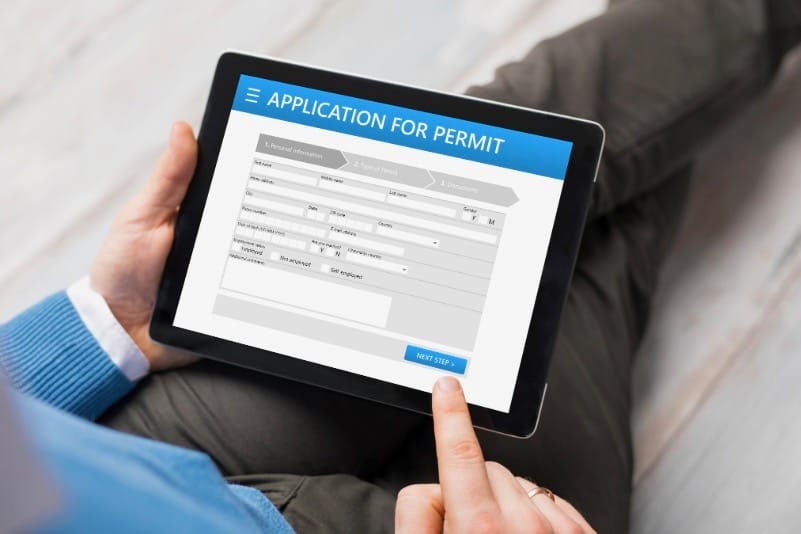
- 3. Obtain a Building Permit Before Work Begins
- 4. Use Stamped Architectural and Engineering Plans
- 5. Follow the Massachusetts State Building Code
- 6. Schedule Required Inspections on Time
- 7. Comply With Energy Code Requirements
- 8. Address Stormwater and Drainage Compliance
- 9. Install Sewer Lines or Septic Systems Per Title 5
- 10. Call Dig Safe Before Excavation
- 11. Meet Fire Department Requirements
- 12. Comply With Accessibility Requirements (When Applicable)
- 13. Manage Environmental Regulations
- 14. Keep Jobsite Safety Compliant
- 15. Document Changes With Approved Change Orders
- 16. Coordinate Utility Connections Properly
- 17. Maintain Clear Communication With Inspectors
- 18. Track Permit Expiration Dates
- 19. Verify Subcontractor Compliance
- 20. Obtain a Certificate of Occupancy
- 21. Work With a Contractor Who Understands Local Compliance
- Why Compliance Matters
- Build With Confidence
- Are You Looking To Build?

Protecting Your Investment
Building a new home is an exciting milestone—but it also comes with a complex web of codes, permits, inspections, and regulations.
Failing to stay compliant can result in delays, fines, stop-work orders, or costly corrections after construction is complete.
Whether you’re a homeowner acting as your own project manager or working with a general contractor, understanding compliance requirements early is critical.
This guide outlines 21 essential ways to stay compliant when building a new home, with a focus on Massachusetts and New England best practices.
1. Confirm Zoning Before You Design
Before plans are drawn, confirm zoning requirements such as:
- Minimum lot size
- Setbacks
- Height restrictions
- Lot coverage limits
Designing first and checking zoning later is one of the most common compliance mistakes.
2. Hire Licensed, Insured Contractors

All contractors working on your project should be properly licensed and insured.
This includes general contractors, electricians, plumbers, excavators, and septic installers.
Always verify:
- State licensing
- Workers’ compensation
- General liability insurance
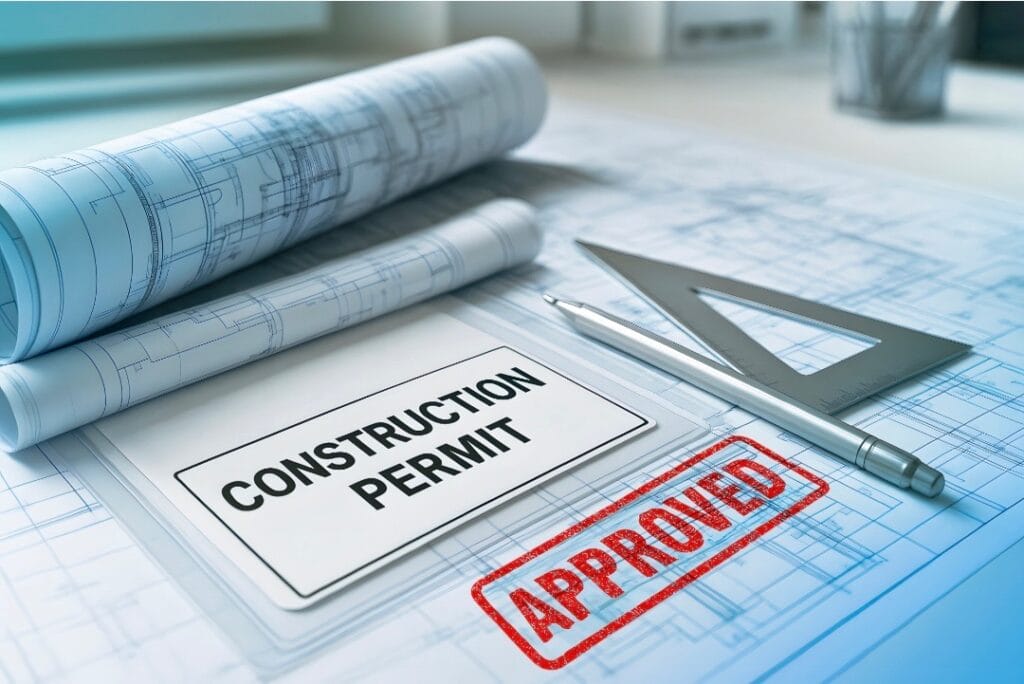
3. Obtain a Building Permit Before Work Begins
A building permit is required for nearly all new home construction.
Starting work without one can result in fines and forced removal of completed work.
4. Use Stamped Architectural and Engineering Plans

Most municipalities require plans stamped by a licensed architect or engineer to ensure compliance with:
- Structural codes
- Energy codes
- Safety standards
5. Follow the Massachusetts State Building Code
New homes must comply with 780 CMR, including:
- Structural requirements
- Fire safety standards
- Energy efficiency rules
Local amendments may also apply.

6. Schedule Required Inspections on Time
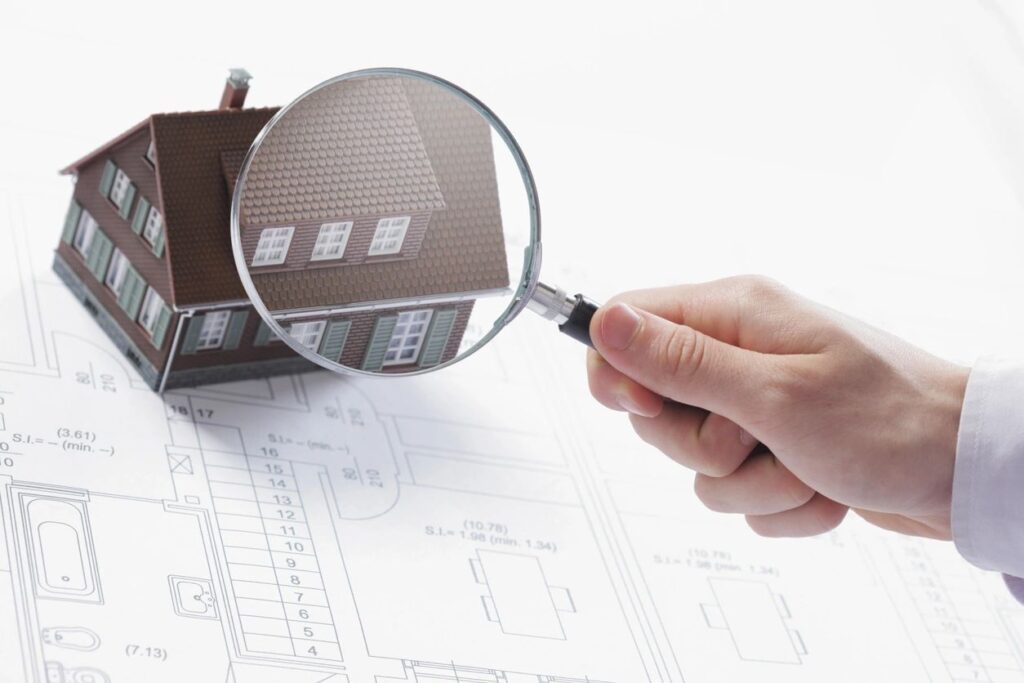
Inspections typically include:
- Footing and foundation
- Framing
- Electrical, plumbing, and HVAC
- Insulation
- Final occupancy
Missing or skipping inspections can halt your project.
7. Comply With Energy Code Requirements
Massachusetts enforces strict energy efficiency standards, including:
- Insulation R-values
- Air sealing
- Window performance
- HVAC efficiency

Massachusetts Building Energy Code:
8. Address Stormwater and Drainage Compliance
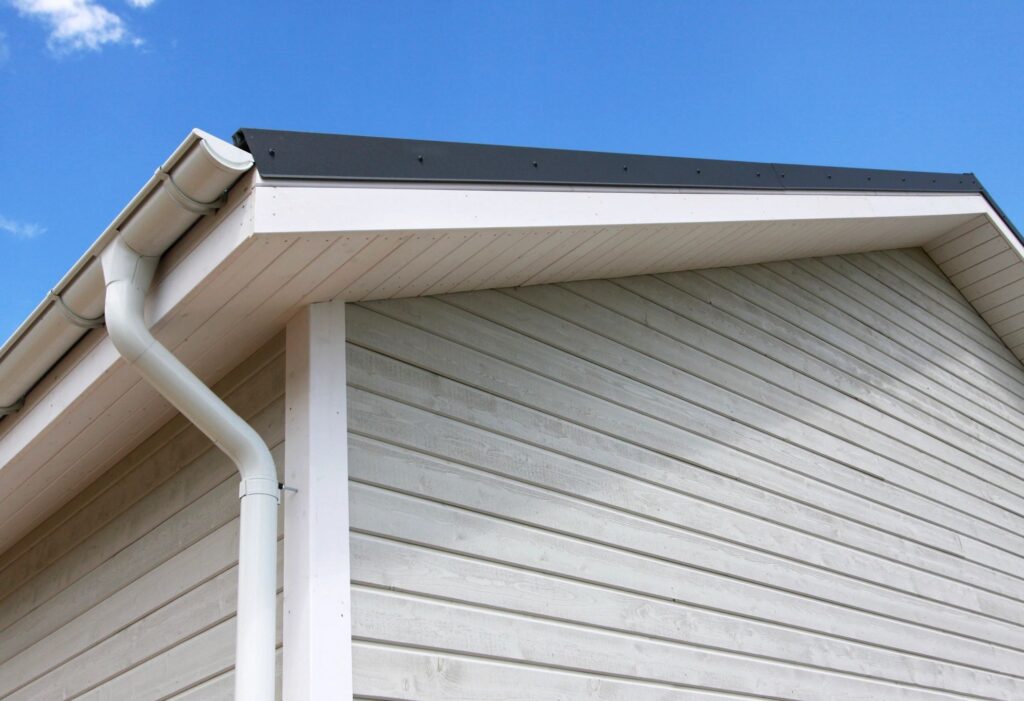
Proper drainage is essential to protect both your home and neighboring properties.
Plans may need to address:
- Surface water runoff
- Foundation drainage
- Erosion control
9. Install Sewer Lines or Septic Systems Per Title 5
If your home is not connected to municipal sewer, septic systems must comply with Title 5 regulations, including:
- Soil testing
- Approved system design
- Board of Health approval
- Final inspection

10. Call Dig Safe Before Excavation

Before any excavation, utilities must be marked to avoid damage and injury.
This is a legal requirement, not a suggestion.
Dig Safe:
11. Meet Fire Department Requirements
Fire departments may require:
- Driveway access dimensions
- Smoke Alarms & Carbon Monoxide Detectors to Code
- Address visibility
Early coordination avoids last-minute changes.
Mass Smoke and Fire Regulations:
M.G.L. c 148 s. 26F – The Law

12. Comply With Accessibility Requirements (When Applicable)

While most single-family homes are exempt, certain features or multi-unit properties may trigger accessibility requirements.
13. Manage Environmental Regulations
Wetlands, flood zones, and conservation areas may require:
- Conservation Commission approval
- Environmental permits
- Buffer zone restrictions

14. Keep Jobsite Safety Compliant

OSHA safety standards apply to residential construction sites, including:
- Fall protection
- Trench safety
- Equipment operation
Homeowners can be liable if unsafe conditions exist.
15. Document Changes With Approved Change Orders
Any changes to plans should be:
- Documented
- Approved by inspectors (if required)
- Reflected in updated drawings
Unapproved changes can fail inspection.

16. Coordinate Utility Connections Properly

Electrical, gas, water, and sewer connections often require:
- Utility company approval
- Inspections
- Separate permits
17. Maintain Clear Communication With Inspectors
Inspectors are not adversaries—they are compliance partners.
Clear communication helps resolve issues quickly and professionally.

18. Track Permit Expiration Dates
Permits can expire if work stalls.
Reinstatement can be costly and time-consuming.
19. Verify Subcontractor Compliance

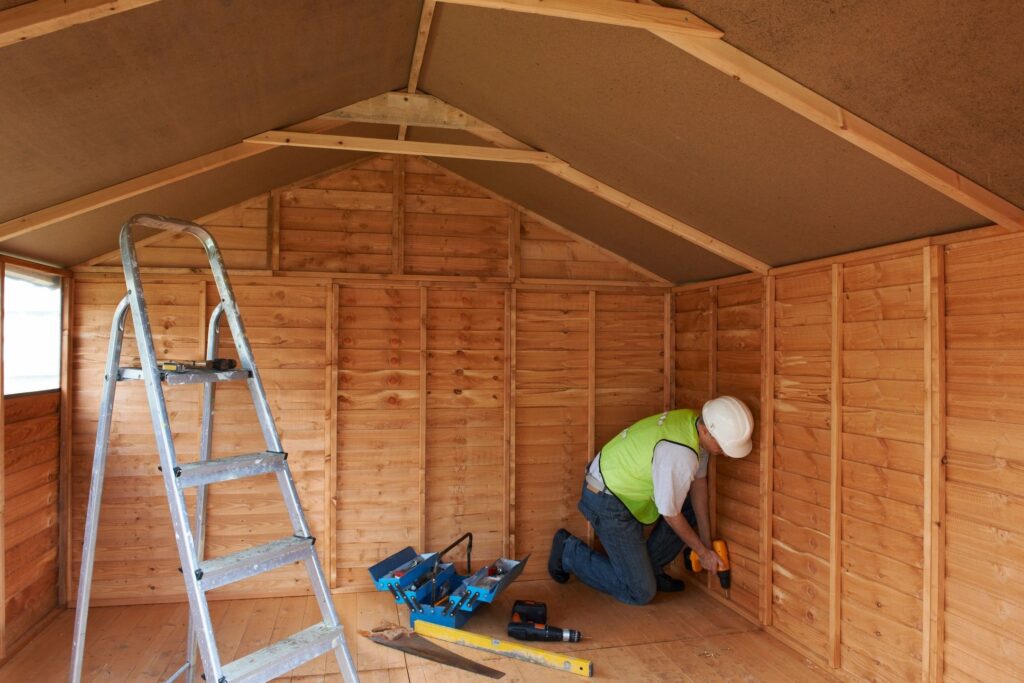
Even if you hire a general contractor, ensure subcontractors:
- Pull proper permits
- Pass inspections
- Follow approved plans
20. Obtain a Certificate of Occupancy
A home cannot be legally occupied without a Certificate of Occupancy (CO).
This confirms the home meets all safety and code requirements.

21. Work With a Contractor Who Understands Local Compliance

Perhaps the most important step:
hire a contractor who understands local inspectors, permitting offices, and regional regulations.
Experience prevents costly mistakes.
Why Compliance Matters
Non-compliance can lead to:
- Delays and fines
- Failed inspections
- Reduced property value
- Insurance complications
- Legal exposure
Staying compliant protects your investment and ensures your home is safe, durable, and insurable.
Build With Confidence
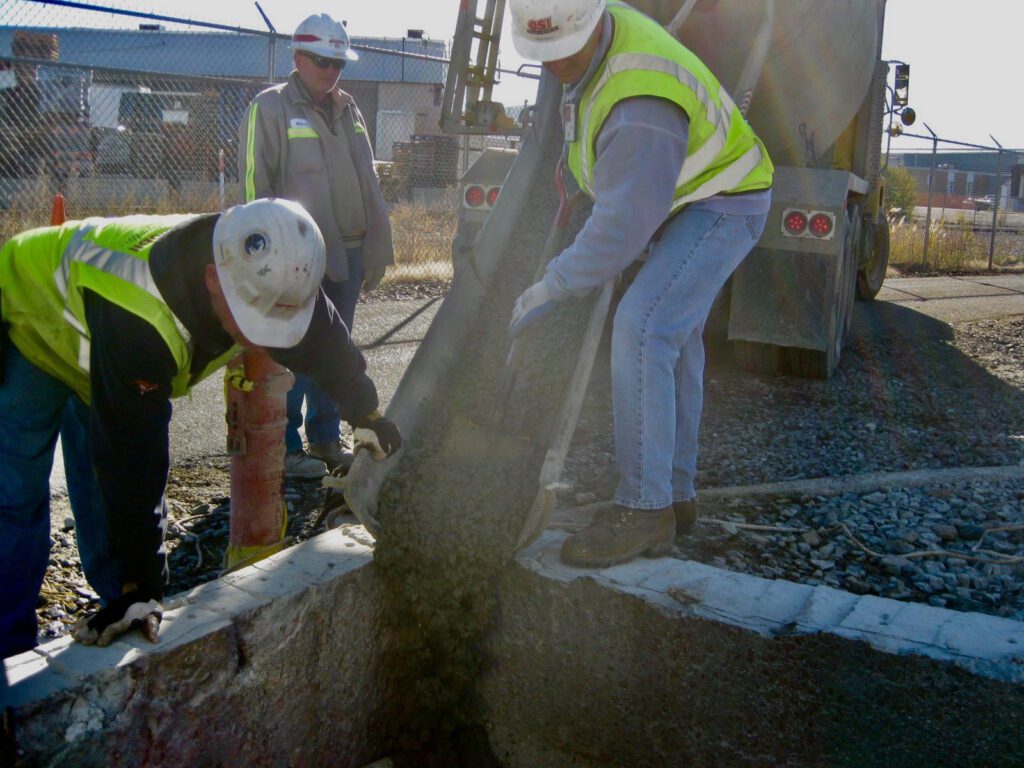
At Construction Solutions, Inc., we help homeowners navigate permitting, site work, septic systems, drainage, and construction compliance throughout Massachusetts, Southern New Hampshire, and Southern Maine.
Our experience ensures projects move forward smoothly—from excavation to final inspection.
Learn more about Construction Solutions Inc.