
Table of contents
- Excavation of any property often required permits and expertise – here’s what you need to know
- 1. Check Local Permitting Requirements
- 2. Mark Utilities & Know What’s Underground
- 3. Understand Your Soil Conditions
- 4. Plan for Site Access and Drainage
- 5. Excavation Near Wetlands
- 6. Hire an Experienced, Licensed, Insured Excavation Contractor
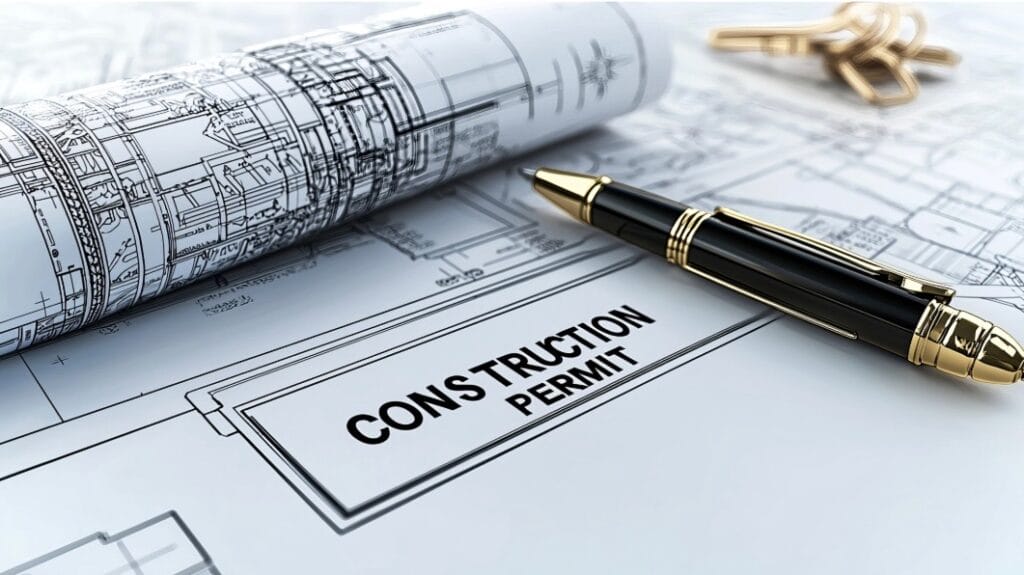
Excavation of any property often required permits and expertise – here’s what you need to know
Planning an excavation project — whether it’s for a new foundation, site development or an addition — it’s a big step. Here in New England, local conditions, permitting, and safety requirements make it even more important to work with an experienced, licensed contractor.
Here are a few key things to know before you break ground.
1. Check Local Permitting Requirements
Every town in New England has its own permitting rules for land development.
Some projects may require:
- Dig Safe utility mark-outs (mandatory)
- Building permits for foundation excavation
- Conservation Commission approval if your site is near wetlands or waterways
Tip: Start the permitting process early to avoid costly delays.
2. Mark Utilities & Know What’s Underground

Remark disturbed Dig Safe utility markers to maintain visibility throughout construction.
Trusted Resource: Dig Safe
Recommended Reading –
State and federal law requires anyone who digs, professionals and property owners, to first notify Dig Safe before digging on public or private property.
Before any excavation begins, your contractor should contact Dig Safe to mark underground gas, water, sewer, electric, and communication lines.
In New England, old properties may have undocumented pipes or abandoned septic tanks — it’s worth doing your homework.
Dig Safe will mark known existing lines with a tolerance zone of 18 inches. Vacuum excavation or hand digging within this zone is required.
Dig Safe Tickets have an expiration. The timeframe varies from state to state:
- MA, NH and VT – Tickets are valid for 30 days.
- ME – Tickets are valid for 60 days.
- RI – tickets do not expire
3. Understand Your Soil Conditions
Soil types vary across a state, especially in New England — from sandy coastal lots to heavy clay inland’s. Composition of the soil directly impacts the safety, efficiency, and overall feasibility of excavation projects.
Each types react differently to digging, equipment, and weather conditions. Therefore, excavation strategies must be tailored accordingly to soil type.
Unstable or poorly managed soil can collapse or erode during a project, jeopardizing worker safety and causing delays.
Furthermore, soil properties affect equipment selection and operational techniques, making it essential to thoroughly evaluate the site’s soil conditions before starting work.
A clear understanding of soil composition reduces risks, prevents unnecessary expenses, and ensures project success.
A qualified local contractor knows how to handle these variables safely and efficiently. They have an understanding of your soil types and how to safely manage each project.

The type of soil impacts:
- Drainage and erosion control
- Foundation design and stability
- Equipment needed for excavation
- Excavation difficulty and project time-line
- Overall Scope of work and budget
- Safety and Stability of Trenchs
Trusted Resource: OSHA Soil Type 1926 Subpart P
https://www.osha.gov/laws-regs/regulations/standardnumber/1926/1926SubpartPAppA
4. Plan for Site Access and Drainage
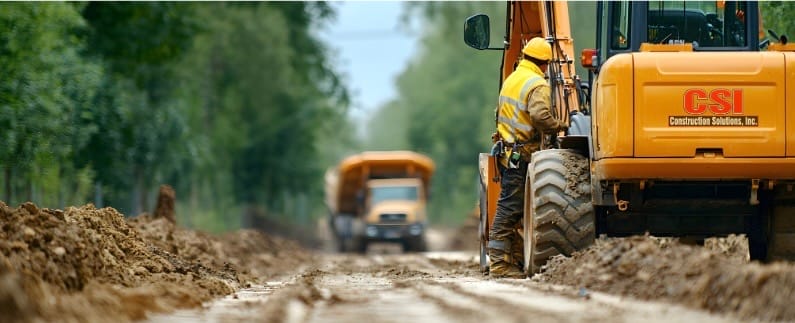
Is there enough room for heavy equipment to access the work area?
Will you need temporary roads or grading for trucks to access the site?
Also, make sure you have a plan for proper drainage and erosion control during and after excavation to avoid erosion or water pooling.
5. Excavation Near Wetlands
Federal and State regulations dictate work in and around protected areas, such as wetlands. It is the property owners responsibility to know and follow the guidelines.
Experienced contractors are familiar with wetland protections and can help you navigate them thoroughly.
The Environmental Protection Agency (EPA) has several programs in place to safeguard wetlands in the United States.
Wetlands are protected by Section 404 of the Clean Water Act and Section 10 of the Rivers & Harbors Act.
Section 401 of the Clean Water Act also gives states the authority to issue a Water Quality Certification for any project that requires a federal permit, to ensure that the project will not violate state water quality standards.
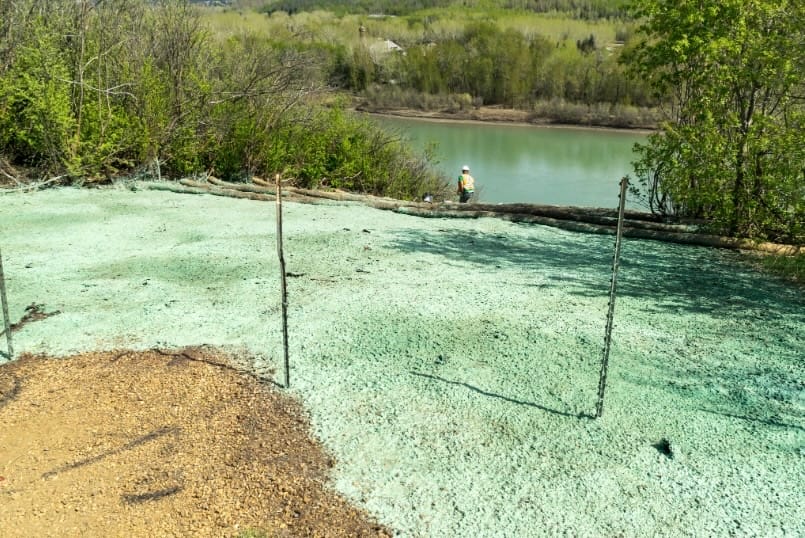
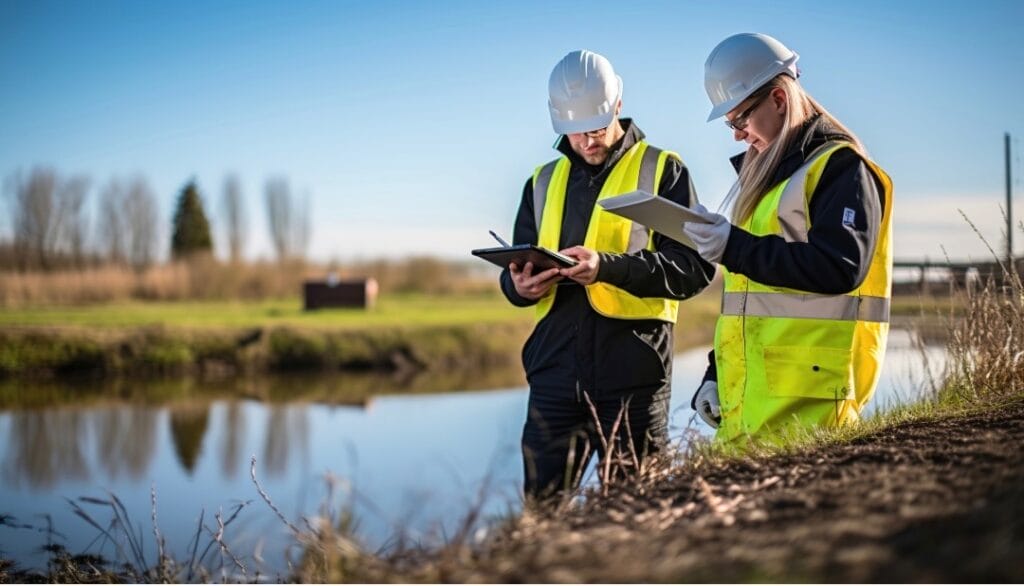
Projects near wetlands have three solutions
- Avoid the Area – Stay outside the federal, state, and local buffer zone
- Minimize Disruption – Obtain the proper permit and approvals from the conservation commission, and minimize any disruption
- Mitigate Impacts – When avoidance or minimizing is not optional, proper permitting with approval is required. It will consist of a plan for creating new wetlands and shifting water shedding to another location.
Depending on your project, and where the wetlands are located, is which strategy to implement.
6. Hire an Experienced, Licensed, Insured Excavation Contractor
Finally, work with a contractor who is fully licensed and insured.
They should follow OSHA trenching and excavation safety standards, carry proper insurance, and have the right equipment for the job.
At Construction Solutions, Inc., we help homeowners, developers, and commercial property managers prepare for successful excavation and site work projects.
For over 40 years we have been providing safe, reliable excavation services throughout New England.

Have A Question?
Are you ready to get the job done right?