

Table of contents
- What You Need to Know:
- What Is Residential Construction?
- What Is Commercial Construction?
- 1. Permitting and Regulatory Differences
- 2. Design and Engineering Requirements
- 3. Site Work and Excavation Complexity
- 4. Materials and Construction Methods
- 5. Project Timelines and Scheduling
- 6. Budgeting and Financial Risk
- 7. Safety and Liability
- 8. Ongoing Maintenance and Performance Expectations
- How Construction Solutions, Inc. Bridges Both Worlds
- Final Thoughts
- Have a Project In Mind?
What You Need to Know:

At first glance, construction is construction. Concrete is poured, structures are framed, and projects are managed from start to finish.
But in reality, residential and commercial construction are fundamentally different disciplines, each with its own regulations, risks, timelines, and expertise requirements.
Whether you’re a homeowner planning an addition or a business owner developing a new facility, understanding the differences between residential and commercial construction can help you set realistic expectations, choose the right contractor, and avoid costly mistakes.
This guide breaks down the key differences between residential and commercial construction—from planning and permitting to site work, materials, timelines, and long-term performance.
What Is Residential Construction?
Residential construction focuses on housing and living spaces designed for individuals and families.
Common Residential Projects Include:
- Single-family homes
- Multi-family homes (duplexes, townhouses)
- Home additions and renovations
- Garages and accessory structures
- Accessory Dwelling Units (ADUs)
- Residential foundations and site work
Residential construction prioritizes comfort, livability, aesthetics, and personalization while still meeting building codes and safety requirements.

What Is Commercial Construction?

Commercial construction involves buildings intended for business, public use, or income-producing purposes.
Common Commercial Projects Include:
- Office buildings
- Retail centers and tenant fit-outs
- Industrial facilities and warehouses
- Medical and professional buildings
- Restaurants and hospitality spaces
- Mixed-use developments
Commercial projects must accommodate higher occupancy loads, public safety standards, accessibility requirements, and long-term durability.
1. Permitting and Regulatory Differences
One of the biggest distinctions between residential and commercial construction is the complexity of permitting and oversight.
Residential Permits
Residential projects typically require:
- Building permits
- Zoning compliance
- Septic or sewer approvals
- Basic inspections
While still regulated, residential permitting is usually more streamlined.

Commercial Permits
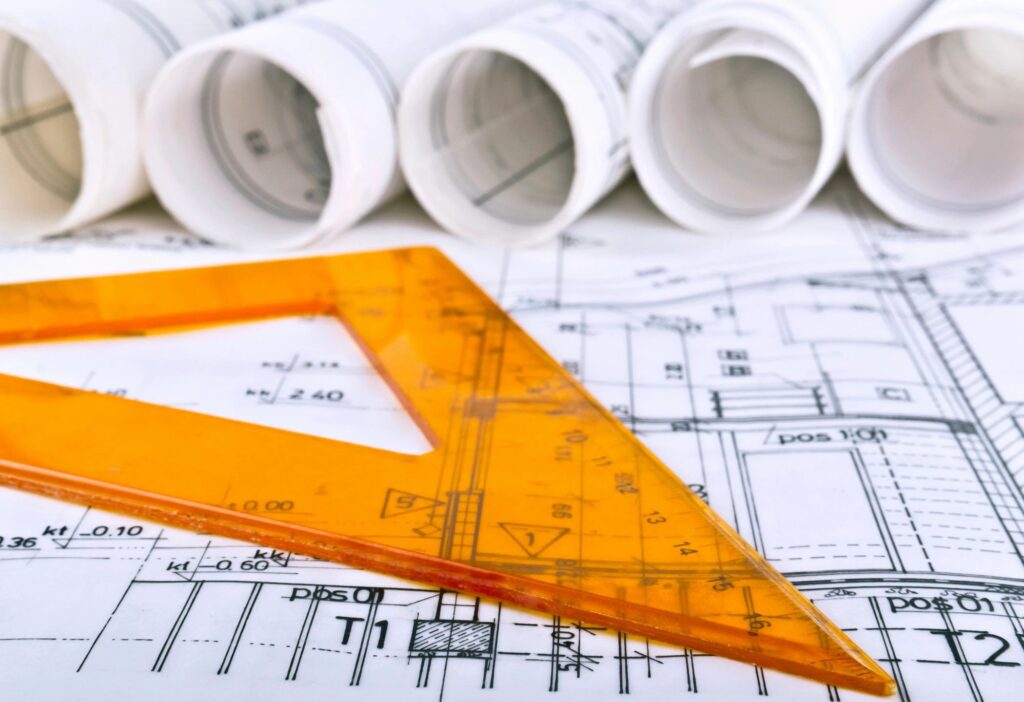
Commercial construction requires significantly more coordination, often including:
- Building permits with enhanced review
- Fire department approval
- ADA and accessibility compliance
- Health department approvals
- Environmental and conservation review
- Utility coordination
- Site plan review or special permits
Commercial projects are subject to more inspections and stricter enforcement, which directly impacts timelines and budgets.
2. Design and Engineering Requirements
Residential Design
Residential plans typically emphasize:
- Layout and flow
- Aesthetics and finishes
- Energy efficiency
- Structural adequacy for smaller loads
Engineering requirements are generally simpler and more standardized.

Commercial Design
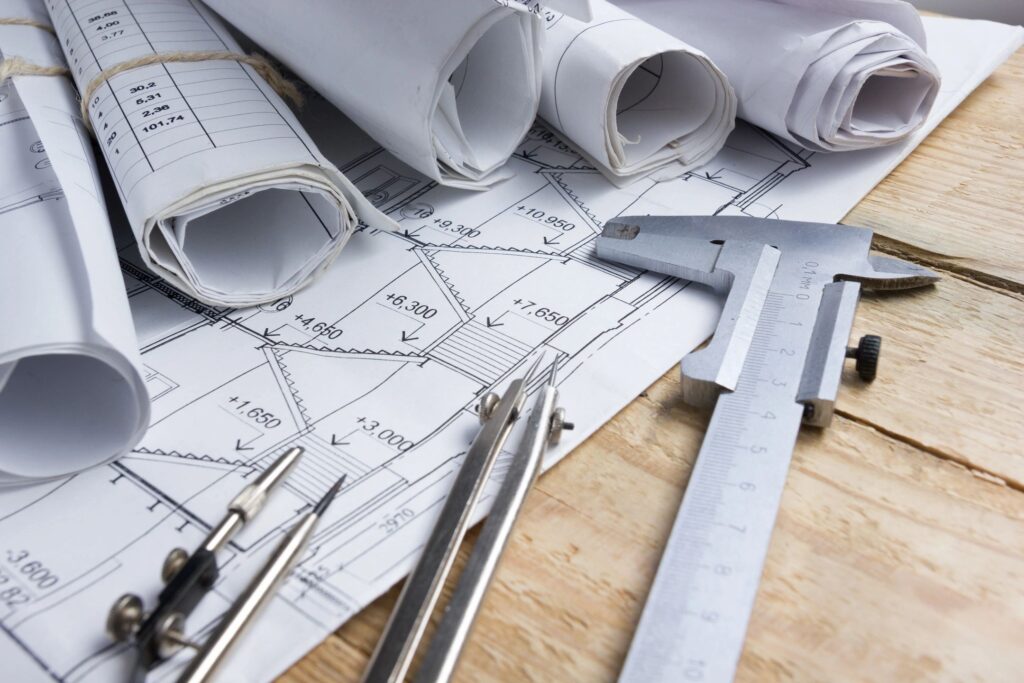
Commercial buildings require extensive engineering, including:
- Structural systems designed for higher loads
- Fire suppression and alarm systems
- HVAC systems sized for public occupancy
- Electrical systems with redundancy
- Drainage and stormwater management
Commercial design prioritizes safety, efficiency, compliance, and long-term performance over customization.
3. Site Work and Excavation Complexity
Site work is critical in both sectors—but commercial projects are far more demanding.
Residential Site Work
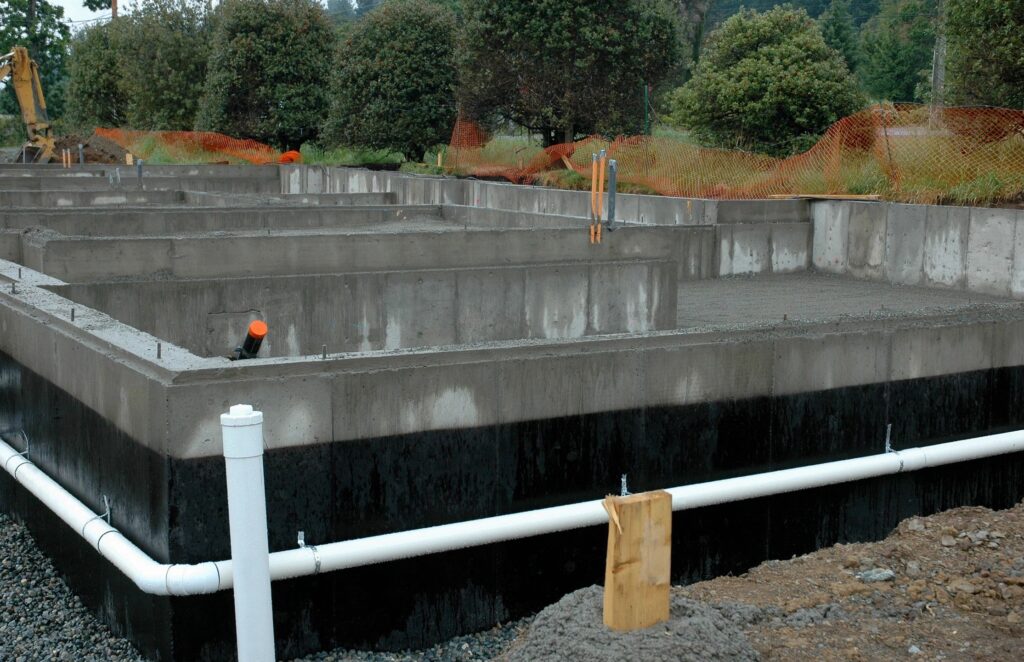
Residential site work typically includes:
- Foundation excavation
- Utility trenching
- Drainage improvements
- Septic system installation (if applicable)
- Grading for yards and driveways
While challenging in New England due to ledge and groundwater, residential sites are usually smaller in scale.
Learn more about Residential Construction
Commercial Site Work
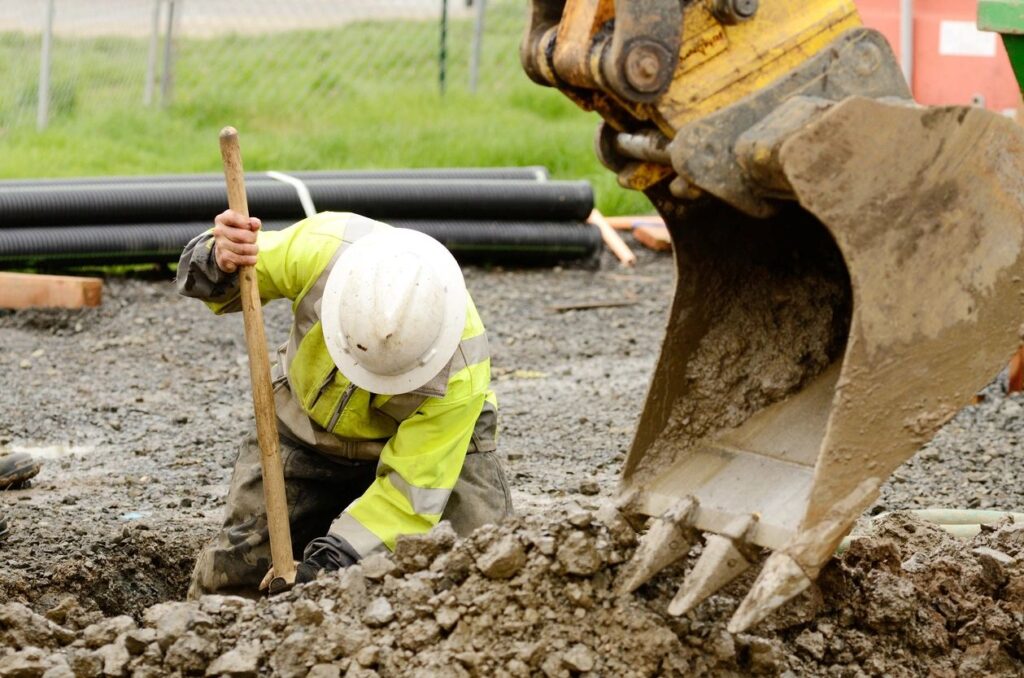
Commercial site development often involves:
- Large-scale excavation and grading
- Stormwater management systems
- Detention ponds and underground drainage
- Utility infrastructure coordination
- Parking lot construction
- ADA-compliant access routes
Commercial sites must handle vehicle traffic, stormwater runoff, and long-term wear, making experienced excavation and site development essential.
Learn more about Commercial Construction
4. Materials and Construction Methods
Residential Materials
Residential construction often uses:
- Wood framing
- Asphalt shingles
- Vinyl, fiber cement, or wood siding
- Standard concrete foundations
Materials are selected for comfort, cost efficiency, and appearance.


Commercial Materials
Commercial buildings rely on:
- Steel framing
- Reinforced concrete
- Masonry systems
- Commercial roofing systems
- High-performance glazing
These materials are designed for durability, fire resistance, and high traffic, often with longer lifespans but higher upfront costs.
5. Project Timelines and Scheduling
Residential Timelines
Residential projects typically:
- Have shorter timelines
- Are more flexible with sequencing
- Experience fewer inspection delays
Weather still impacts residential construction, but scheduling is generally simpler.

Commercial Timelines
Commercial construction follows:
- Rigid scheduling milestones
- Detailed phasing plans
- Coordination with multiple agencies
- Lease-driven or revenue-driven deadlines
Delays can have direct financial consequences, making professional project management critical.
6. Budgeting and Financial Risk
Residential Budgets
Residential budgets are often:
- Fixed or semi-fixed
- Influenced by personal financing
- Sensitive to material cost fluctuations
Homeowners may make changes during construction that affect cost.


Commercial Budgets
Commercial budgets are:
- Heavily scrutinized
- Often tied to investors or lenders
- Structured with contingencies
- Sensitive to delays and compliance issues
Change orders are more formal and controlled, and risk management plays a larger role.
7. Safety and Liability
Residential Safety
Residential sites must comply with OSHA and safety regulations, but:
- Smaller crews
- Lower public exposure
- Fewer simultaneous trades
Risk is present but more limited in scope.


Commercial Safety
Commercial construction involves:
- Larger crews
- Public access concerns
- Heavier equipment
- Stricter OSHA oversight
- Formal safety plans
Safety failures on commercial sites can result in serious liability and work stoppages.
Learn more about construction safety
8. Ongoing Maintenance and Performance Expectations
Residential Buildings
Residential structures are designed for:
- Personal use
- Moderate wear
- Owner-managed maintenance
Systems are simpler and easier to maintain.


Commercial Buildings
Commercial properties must support:
- Continuous use
- Higher occupancy
- Long-term durability
- Code compliance over time
Maintenance planning often begins during construction.
How Construction Solutions, Inc. Bridges Both Worlds
At Construction Solutions, Inc., we understand the unique demands of both residential and commercial construction. Our team provides:
- Excavation and site development
- Residential new construction and additions
- Commercial construction and tenant improvements
- Septic systems and drainage solutions
- Ongoing commercial property management
Based in Amesbury, MA, we serve clients throughout Massachusetts, Southern New Hampshire, and Southern Maine with a focus on quality, safety, and clear communication.
Final Thoughts

Residential and commercial construction may share some similarities, but they differ in almost every meaningful way—from permitting and design to site work, materials, timelines, and risk.
Understanding these differences helps property owners make informed decisions, set realistic expectations, and select professionals who are equipped to deliver successful projects.
Whether you’re building a home or developing a commercial property, experience matters—and so does local knowledge.