
Table of contents
It’s not surprising that Accessory Dwelling Units (ADUs) have become a popular option with a nationwide shortage of affordable homes, a high cost of living, and skyrocketing interest rates.
There are 42 million renters across the U.S, with over 21 million renters considered cost-burdened, spending more than 30 percent of monthly income on housing costs. That represents almost half (49.7%) of all renters.
That cost burden does not account for other necessities such as food, health insurance, child care or clothing. Additionally 18.8 million homeowners are spending more than 30% of their monthly income on home costs. Creating a large population of cost-burdened homeowners.
Although regulations vary from state to state for building AUD’s, currently more states are adopting more favorable regulations as a way to help ease housing shortages.

Property owners across New England have been utilizing ADU’s for additional income, home offices, multigenerational living, and as a way to increase living space and property values. Massachusetts recently passed state legislation, which overrides local zoning for discretionary permits. Thus AUD’s are now the owners right to build, as second living space in a single family dwelling zone.
Local municipalities still dictate septic requirements, property setbacks, site plan reviews, and if the property can be used as a short term rental.
Here’s what you should know if you’re thinking about adding an ADU.
1. What is an ADU?
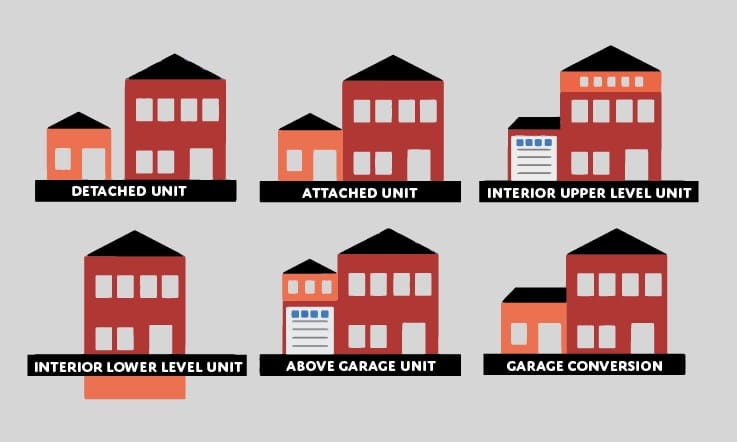
An ADU is a smaller, self-contained living space on the same lot as a primary home. They are off referred to as in-law suites, garage apartments or backyard cottages. The ADU must have a separate entrance from the primary dwelling, either through a common hall or entry way, or an outside access.
Common examples include:
- Finished basements or attics with separate entrances
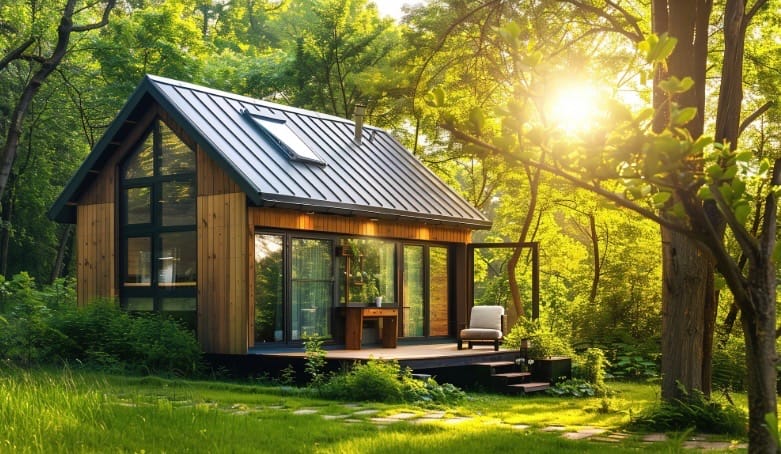
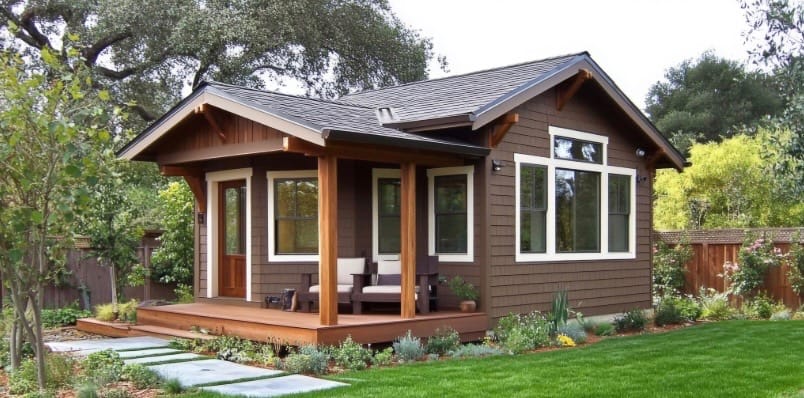
- Detached Units, such as a cottage or tiny home
- Garage conversion or upper level garage living quarters
- Additions to existing dwellings
2. Who Benefits From An ADU?

Both tenant and property owners benefit:
- Rental income for property owners
- More options for older adults to have a caregiver live near by, but still maintain privacy
- Affordable rental costs for tenants
- Multi-generational family units, allows older parents to downsize, stay in their neighborhood, as their grown children raise a family in the home they grew up in
- Snow bird affordability to keep an affordable rental where they have roots
- Some tenant and property owners make arraignments for assistance with upkeep and maintenance with tenants to lower rent, and help the homeowner share in the upkeep of a yard & maintenance
3. Start by Checking Your Local Zoning Laws
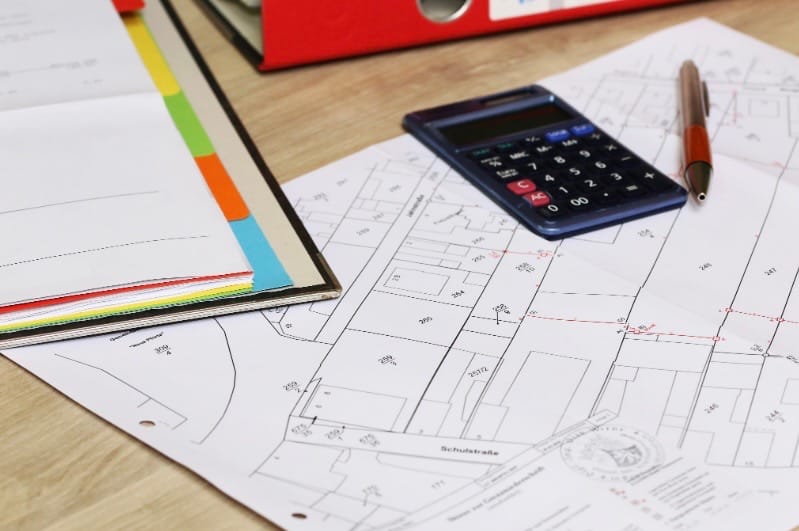
Each state has has different rules for ADUs. Many communities now allow them to boost housing options, but you’ll still need to check your state and local towns bylaws.
The requirement fall into a few categories:
- Minimum lot size requirements
- Maximum ADU square footage
- Parking and setback regulations
- Owner-occupancy requirements
- Utility hook ups for water, sewer, electricity, and heating source
Some towns require a special permit — so always confirm before you start designing.

4. Plan for Utilities & Sewer / Septic Tie-Ins

Your new ADU will need proper connections for water, sewer (or septic), electric, and possibly gas. In rural areas, your existing septic system may need an upgrade to handle the added load.
Even if you plan to use the space for yourself now, plan for the option of a rental for the future by separating meters. Working with an experienced contractor helps you avoid surprises.
5. Design for Privacy & Access
A well-planned ADU should feel separate but connected. Things you need to consider while planning:
- A design that complements your residence
- Separate entrances and walkways
- Soundproofing for attached units
- Shared vs. separate driveways
- Good lighting and security
- Consider the features you will incorporate
- Design functionality and flow of the living area
- Storage options, including yours, if utilizing a current basement, attic or garage
- Consider the soil conditions and your properties grade if adding an addition or new structure.

Pro Tip: A smart layout makes the space more comfortable for property owners and tenants.
6. Know the Costs
Building an ADU isn’t cheap, but it’s often more affordable than buying a bigger house. Costs will vary depending on your design and needs.
Many homeowners recover costs over time through long-term rental income and increased resale value. It’s important to work with a reputable contractor to address your needs and evaluate your site.
How Construction Solutions, Inc., Can Help
Are you ready to expand your living space? Take the next steps:
We specialize in residential excavation, foundations, utility connections, site development, and new construction, including ADUs and additions.
Helpful References for New England Homeowners Looking to Build an ADU:
Massachusetts 2024 updated ADU Regulations
https://www.mass.gov/info-details/accessory-dwelling-units
New Hampshire – ADU Guidelines for Municipalities
https://www.nhhfa.org/wp-content/uploads/2019/06/ADU_Guide_Municipalities.pdf
Maine – ADU Regulations
https://www.mainelegislature.org/legis/statutes/30-a/title30-Asec4364-B.html
Connecticut – Updated ADU Regulations
https://www.cga.ct.gov/2021/ACT/PA/PDF/2021PA-00029-R00HB-06107-PA.PDF
Rhode Island – Accessory Dwelling Units Learning Center
https://www.housingworksri.org/learning-center/accessory-dwelling-units-adu
Vermont – ADU Regulations
Ready to Expand Your Living Space?
Thinking about an ADU?
Let’s talk about what’s possible on your lot